Scientists Develop Groundbreaking Drug That Could Help Regrow Lost Teeth
A revolutionary dental treatment developed by Japanese researchers may enable natural tooth regrowth, offering fresh hope for people who have lost permanent teeth through age or injury.
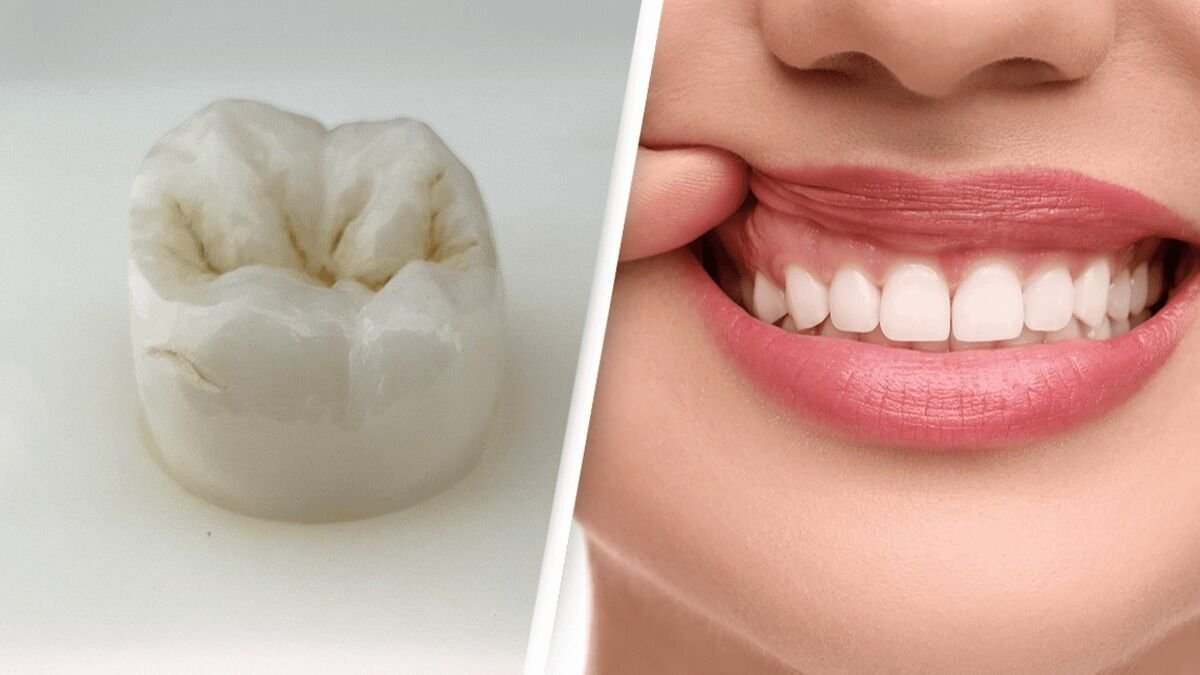
For generations, losing a permanent tooth has been considered an irreversible problem. While children naturally grow a second set of teeth after their baby teeth fall out, adults who lose permanent teeth have traditionally had only two options: dentures or dental implants. That long held belief, however, may soon face a dramatic challenge.
Researchers in Japan have announced significant progress in the development of a treatment designed to stimulate the growth of entirely new natural teeth. If future studies continue to produce positive results, the innovation could transform modern dentistry and provide a completely different solution for tooth loss.
The research was carried out through a collaboration between experts from Kyoto University and Kitano Hospital. Scientists spent years studying the biological mechanisms that control tooth development in humans. During their investigations, they discovered that dormant tooth forming structures remain present in the gums, even after permanent teeth have fully developed.
According to the researchers, these dormant tooth buds have the potential to generate new teeth. However, a specific protein known as USAG 1 acts as a natural inhibitor, preventing additional tooth growth. By targeting this protein, scientists believe they can unlock the body’s hidden ability to produce new teeth.
The newly developed medicine uses a specialized antibody designed to block the activity of the USAG 1 protein. Once that barrier is removed, dormant dental cells can become active again, allowing the natural tooth formation process to restart. This approach differs significantly from artificial replacements because it focuses on growing real teeth rather than inserting manufactured substitutes.
Before moving to human testing, the treatment was evaluated in animal studies involving mice and ferrets. Researchers reported encouraging results, with new teeth successfully developing without major side effects. The regenerated teeth reportedly showed healthy growth and functioned similarly to natural teeth.
The success of these early experiments has paved the way for clinical trials involving human participants. These studies are intended to evaluate both the safety and effectiveness of the treatment in real world medical settings. Researchers remain cautious but optimistic about the potential outcome.
Dental experts believe the implications could be enormous. Millions of people around the world suffer from tooth loss due to accidents, aging, genetic conditions, or disease. Current treatments, while effective, often involve surgical procedures, long recovery periods, and significant costs. A medicine capable of naturally regenerating teeth could dramatically change the patient experience.
The treatment may be particularly valuable for individuals born with congenital conditions that prevent normal tooth development. For these patients, natural tooth regeneration could provide a life changing solution that was previously impossible.
Researchers estimate that if ongoing clinical trials proceed successfully and regulatory approvals are obtained, the medicine could become available to the public around 2030. While further testing remains necessary, the project has already attracted global attention from the medical and scientific communities.
If successful, this innovation could mark one of the most important breakthroughs in dental history. Instead of relying solely on implants or dentures, future patients may one day have the opportunity to regrow their own natural teeth through a simple medical treatment, opening an entirely new chapter in oral healthcare.