
Apple Products May Soon Become More Expensive Amid Rising Memory Component Costs
Growing demand for AI infrastructure is creating pressure on memory supplies worldwide, forcing component prices higher and potentially leading to price increases across Apple’s iPhone and iPad lineup.
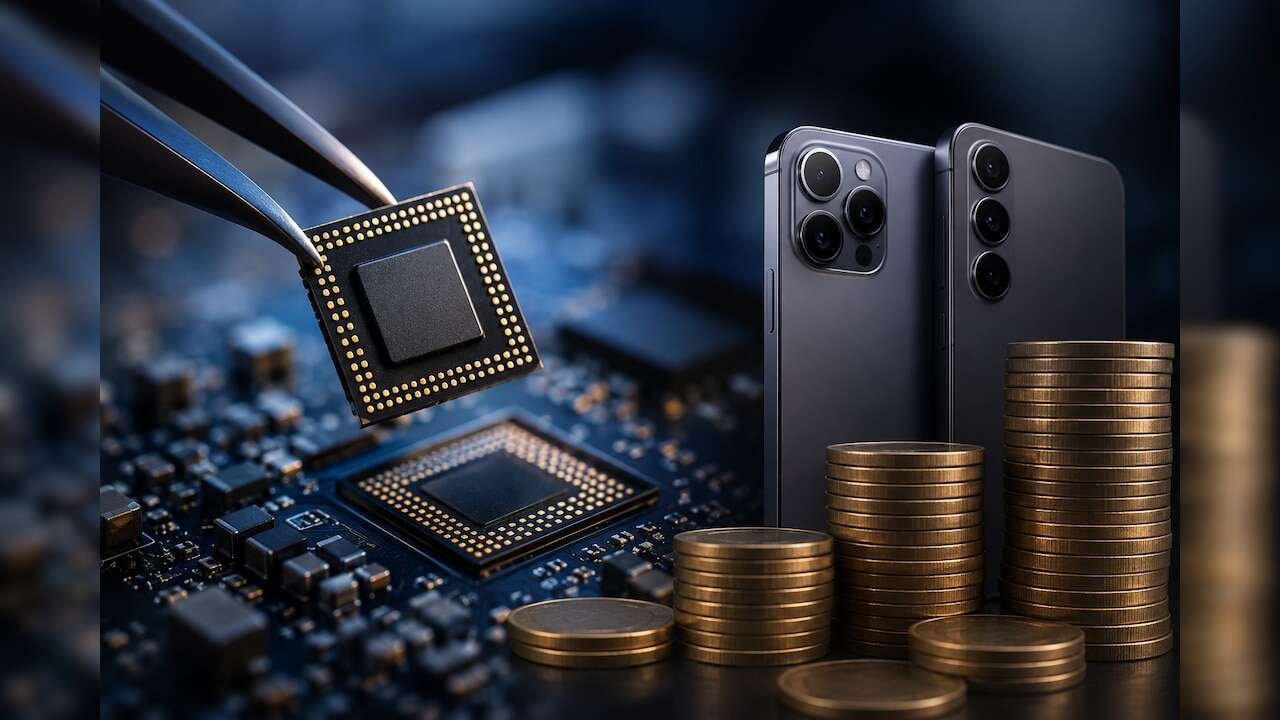
Apple customers could soon face higher prices for iPhones, iPads, and other devices as the cost of key hardware components continues to climb. Industry experts believe the rising prices of memory and storage parts are putting significant pressure on manufacturers, including Apple, which may eventually pass some of those costs on to consumers.
The issue is being driven largely by the rapid expansion of artificial intelligence infrastructure. Over the past several months, technology companies investing heavily in AI data centers have increased demand for advanced memory components. As a result, suppliers are prioritizing production for high performance AI hardware, creating tighter availability for components commonly used in consumer electronics.
Reports suggest that Apple executives have already acknowledged the challenge. The company has indicated that increasing costs for memory and storage components are making it more difficult to maintain current pricing across its product portfolio. While Apple has attempted to absorb a portion of the additional expenses, industry observers believe that strategy may not be sustainable for much longer.
Technology analyst Mark Gurman recently suggested that Apple may not wait for a future flagship launch to adjust pricing. According to his assessment, the company has already begun signaling that higher prices could arrive sooner than expected. This has fueled speculation that upcoming product refreshes may carry a noticeable increase in cost.
The pressure comes from sharp price increases in DRAM and storage chips, which are essential components in smartphones, tablets, and laptops. Manufacturers of these memory products have increasingly shifted their attention toward producing high bandwidth memory used in AI servers. Since these specialized components generate strong demand from data center operators, production resources are being redirected away from consumer focused hardware.
This shift has created challenges throughout the global supply chain. With fewer resources dedicated to traditional memory products, availability has tightened and prices have risen across the industry. The impact is not limited to Apple alone, as many electronics brands are dealing with similar cost pressures.
Apple has reportedly explored various options to secure a stable supply of memory components. However, the company is not believed to be planning its own memory chip manufacturing operations. Instead, it continues to rely on external suppliers while searching for ways to manage rising production expenses.
The broader smartphone industry is also feeling the effects. Recent market data indicates a decline in global smartphone production during the first quarter of the year. Industry analysts point to higher component costs and supply chain constraints as key factors affecting manufacturing volumes across multiple brands.
For consumers, the possibility of higher prices arrives at a time when smartphones are already becoming more advanced and expensive. Features powered by artificial intelligence, improved cameras, larger storage capacities, and premium displays have increased production costs across the sector. Adding memory shortages to the equation could further influence retail pricing in the months ahead.
Although Apple has not officially announced any product price revisions, market watchers believe the company is preparing for a challenging period as component costs continue to rise. If current trends persist, buyers planning to upgrade their devices may see higher price tags on future iPhones, iPads, and other Apple products sooner rather than later.