Ragi Idli Makes A Nutritious Breakfast Option For Growing Children
Ragi idli combines millet, rice and lentils in a familiar South Indian breakfast, offering calcium, fibre and iron as part of a balanced diet for children.
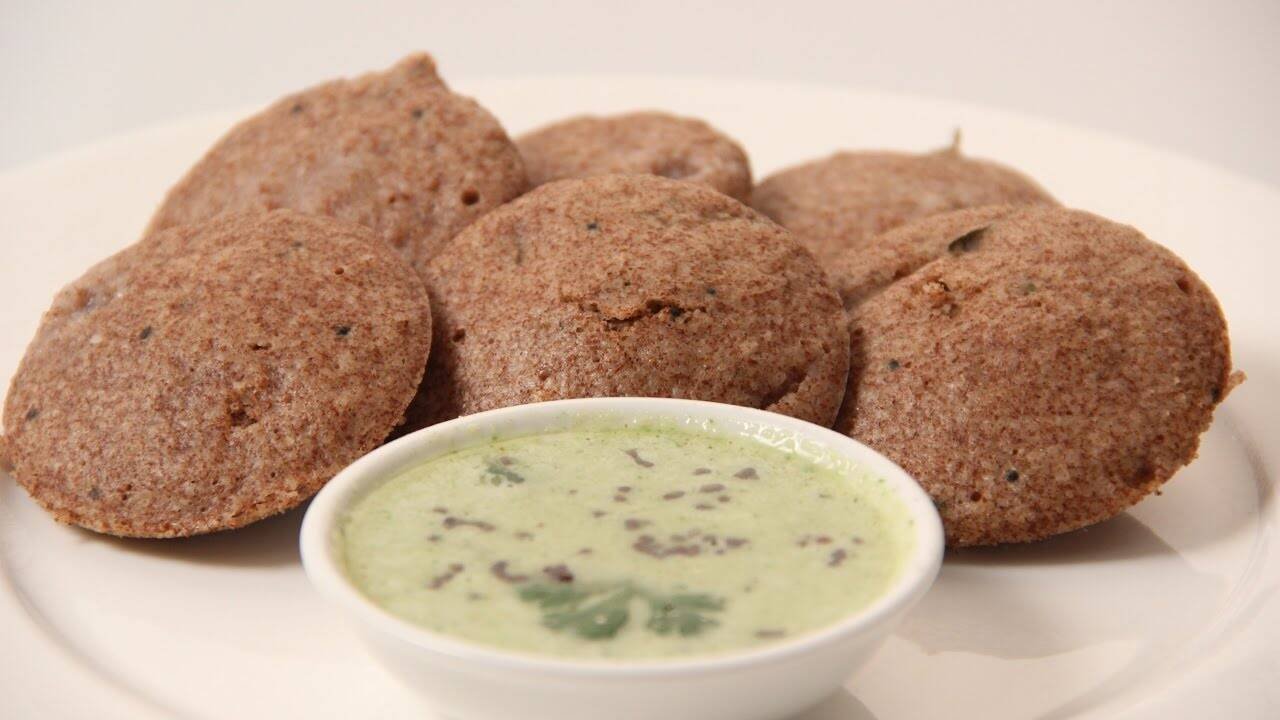
Idli is already a familiar breakfast choice in many South Indian homes. But if you want to add some variety to the morning meal, ragi idli is an easy option worth trying.
Ragi, also known as finger millet, is naturally rich in several nutrients. When combined with rice and urad dal, it can turn the regular idli batter into a more nutrient focused breakfast. However, no single food can guarantee that a child will never need medical care. A balanced diet, adequate sleep and regular physical activity are equally important for growing children.
Ingredients Needed
One cup ragi flour
One cup raw rice
Half cup urad dal
Quarter cup poha
Half teaspoon fenugreek seeds
Salt as required
Water as required
How To Prepare Ragi Idli
Start by washing the rice, urad dal and fenugreek seeds separately. Soak them for about four to five hours.
Soak the poha in water around ten minutes before grinding the batter. Grind the soaked urad dal, fenugreek seeds and poha until smooth. Add the soaked rice and grind again, using enough water to achieve a smooth batter.
Transfer the batter to a large bowl and add one cup of ragi flour. Mix everything thoroughly so that no lumps remain.
Cover the bowl and allow the batter to ferment for around eight to ten hours. Fermentation gives the idlis their characteristic texture and mild flavour.
The next morning, add salt and mix the batter gently. Grease the idli moulds lightly, pour in the batter and steam for around ten to twelve minutes.
Once cooked, allow the idlis to rest briefly before removing them from the moulds. They can be served with sambar or coconut chutney.
Why Ragi Is Popular In Healthy Diets
Ragi is valued for its calcium content, making it a useful ingredient in a varied diet that supports normal bone health. It also provides dietary fibre and iron.
The fibre content can help make meals more filling, while including iron rich foods in the diet supports normal red blood cell production. For children, however, overall nutrition matters more than relying on one ingredient.
Ragi also has a relatively low glycemic index compared with some refined carbohydrate foods, but the effect of a complete meal depends on the other ingredients and portion size.
A Simple Change To The Morning Meal
The biggest advantage of ragi idli is that it does not require a completely different cooking method. Families already familiar with making traditional idli can prepare the ragi version using much the same process.
For children, it can be served alongside vegetables, sambar, curd or another nutritious accompaniment to make the breakfast more balanced. If a child has a specific health condition, food allergy or nutritional deficiency, it is better to follow advice from a qualified healthcare professional or dietitian.