Popcorn Can Be a Healthy Snack If You Avoid These Common Mistakes
Plain popcorn can offer fiber and other nutrients, but heavy butter, excess salt and sugary toppings can quickly turn this popular snack into an unhealthy choice.
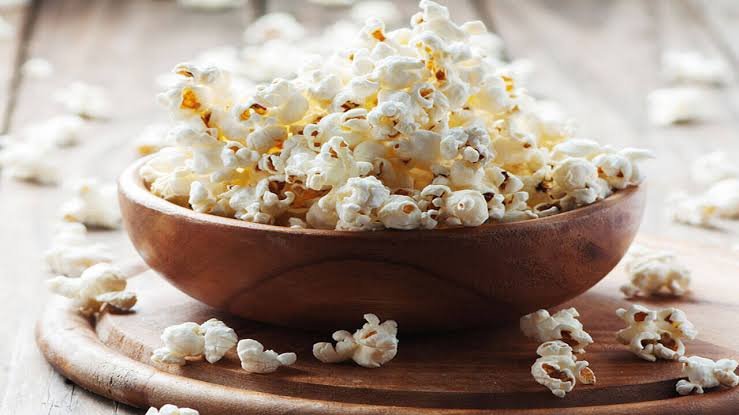
Popcorn can provide useful dietary fiber.
Air popped popcorn is a better choice.
Excess butter and salt should be limited.
Popcorn and Its Potential Health Benefits
Popcorn is often associated with movie nights and casual snacking, but the simple corn based snack can also fit into a balanced diet when prepared properly. Plain popcorn contains dietary fiber and provides small amounts of protein, magnesium and phosphorus.
The biggest difference comes down to how it is prepared. A bowl of lightly seasoned popcorn can be quite different nutritionally from the heavily buttered and salted versions commonly sold at cinemas.
Fiber Makes Popcorn Filling
One of the main nutritional advantages of popcorn is its fiber content. Fiber can support normal digestion and help promote a feeling of fullness after eating.
That can make plain popcorn a useful option for people who want a snack that feels satisfying without being especially calorie dense. However, portion size still matters, particularly when oil, butter or other toppings are added.
A Whole Grain Snack
Because popcorn is made from whole corn kernels, it is considered a whole grain food. Whole grains can be part of a balanced eating pattern and may provide important nutrients along with dietary fiber.
Popcorn also contains naturally occurring antioxidant compounds, including polyphenols such as ferulic acid. These compounds help protect plant tissues and contribute to the nutritional value of whole grain foods.
The Way You Prepare It Matters
Plain popcorn can be a relatively light snack, but its nutritional profile can change quickly once large amounts of butter, oil, salt or sugar are added.
Movie theatre popcorn and some packaged varieties may contain considerably more sodium, saturated fat and calories than homemade popcorn. Eating such versions regularly or in large portions may make it harder to maintain a balanced diet.
Air Popped Popcorn Is a Simple Option
For a lighter preparation, popcorn can be made at home using an air popper or a small amount of cooking oil. This gives you much more control over the ingredients and portion size.
Instead of adding plenty of butter and salt, you can experiment with black pepper, cinnamon, garlic powder or dried herbs for extra flavour. These simple additions can make homemade popcorn more interesting without turning it into a heavily loaded snack.
So, Is Popcorn Healthy?
Popcorn itself is not the problem. The ingredients added during preparation often make the bigger difference. Plain or lightly seasoned popcorn can be included as part of a varied diet, while heavily buttered, salted or sugary versions are better treated as occasional foods.
For people managing specific health conditions or dietary requirements, individual nutritional needs can differ, so portion size and preparation should be considered accordingly.