
Hormonal Acne Warning Repeated Pimples on Same Spot May Signal Deeper Imbalance Doctors Explain
Dermatologists explain why recurring acne in the same facial area may not be a skincare issue but a hormonal imbalance linked to stress, PCOS, and internal body changes needing proper treatment
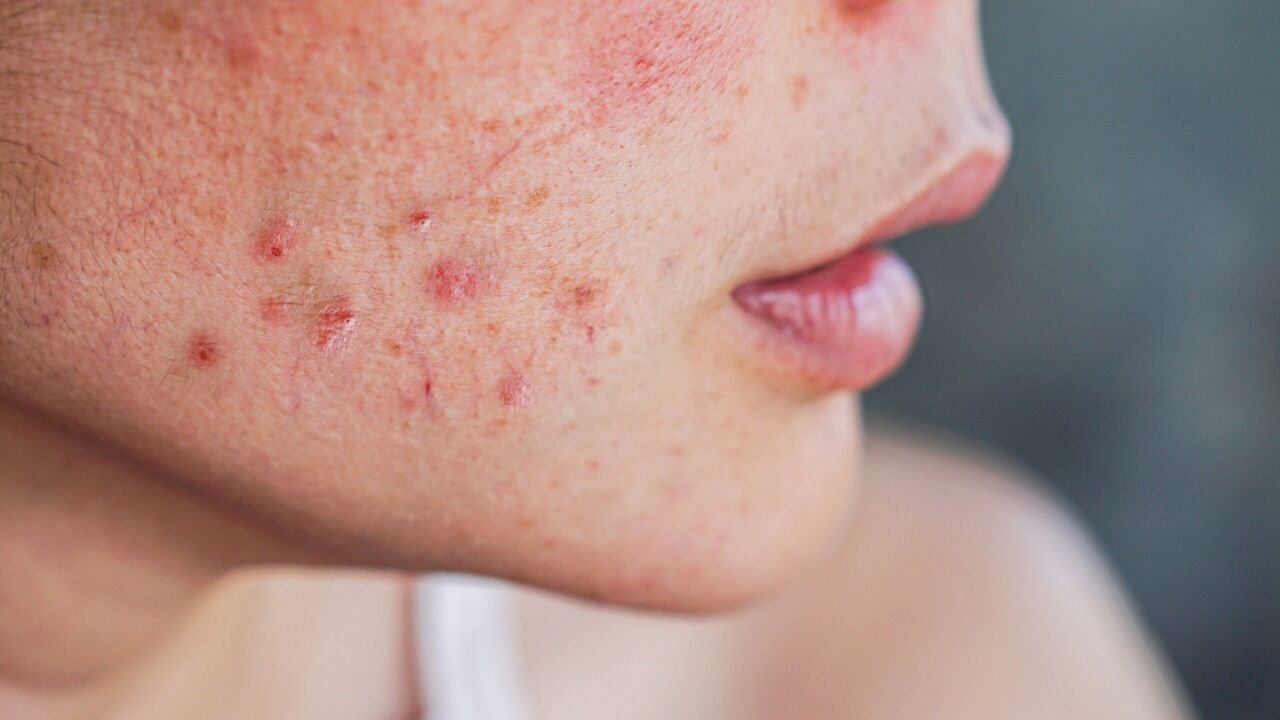
Acne on the face is often treated as a simple skin concern, but doctors say the situation becomes more serious when pimples keep appearing repeatedly on the same spot. In such cases, even expensive creams and skincare routines may fail to show lasting results. Dermatologists explain that this pattern is often linked to hormonal acne, which cannot be solved with surface level treatments alone.
One of the main reasons behind this condition is hormonal fluctuation inside the body. When androgen levels increase, the skin’s oil producing glands become overactive. This leads to excess sebum production, which mixes with dead skin cells and dirt, blocking pores. Once the pores are clogged, inflammation begins and pimples form in the same areas again and again.
Medical experts point out that hormonal acne is commonly seen during puberty, menstrual cycles, pregnancy, and menopause. Conditions like polycystic ovary syndrome also play a major role in disturbing hormonal balance. Along with these natural changes, stress has emerged as a powerful trigger. When stress levels rise, cortisol production increases, which further stimulates oil glands and worsens breakouts.
Many people try switching between multiple creams and treatments, hoping for quick results, but dermatologists warn that this approach rarely works. Without correcting the internal hormonal imbalance, external skincare alone cannot provide a permanent solution. In some cases, prescription treatments like benzoyl peroxide, salicylic acid, or retinoids are recommended to reduce inflammation and clear blocked pores. Severe cases may require antibiotics or hormone regulating medications under medical supervision.
For women dealing with deeper hormonal issues, doctors sometimes suggest oral contraceptives or anti androgen treatments to bring hormones under control. If conditions like PCOS are present, treating the underlying disorder becomes essential for long term improvement in skin health. Addressing the root cause is considered more important than repeatedly changing cosmetic products.
Lifestyle habits also play a major role in managing hormonal acne. A diet high in sugar and processed foods can worsen breakouts, so experts recommend a balanced and nutrient rich eating pattern. Regular sleep, physical activity, and stress management practices like meditation can help stabilize hormone levels naturally over time.
Dermatologists also caution against touching or picking pimples frequently. This habit can increase inflammation, slow down healing, and leave behind dark spots or scars that may last longer. Gentle skincare with non comedogenic moisturizers, mild cleansers, and daily sunscreen use is considered safer for maintaining healthy skin without aggravating acne further.