
Aluminum Foil Trick To Check Damp Walls During The Monsoon
An easy aluminum foil test can help homeowners spot possible wall moisture, condensation, or dampness before deciding whether professional inspection or repairs are needed.
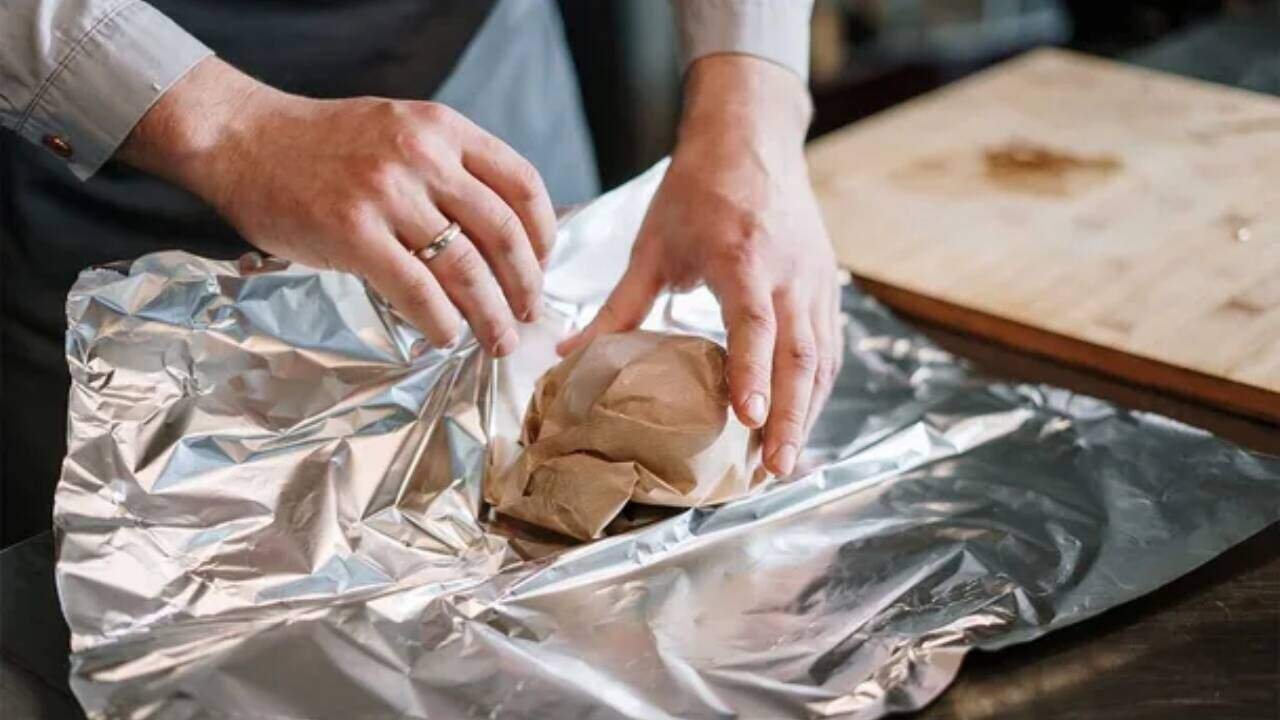
Aluminum foil can help check suspected wall dampness.
Wall moisture can have several different causes.
Professional inspection may be needed for recurring dampness.
During the rainy season, damp patches, peeling paint and musty smells can suddenly become noticeable on household walls. Painting over the marks may make the surface look better for a while, but it does not necessarily address the reason behind the moisture.
A simple aluminum foil test can offer an initial clue about what may be happening. It does not replace a proper moisture inspection, but it can help determine whether a particular section of wall deserves closer attention.
How To Perform The Aluminum Foil Test
Start by choosing the area where dampness is suspected. Wipe the surface with a dry cloth and remove visible dust, dirt and surface moisture. The wall should be as dry as possible before the test begins.
Cut a piece of aluminum foil slightly larger than the area being checked. Press it flat against the wall and make sure it has good contact with the surface.
Secure all four edges firmly with tape. Sealing the edges helps isolate the section underneath the foil from normal room air and makes the result easier to observe.
Leave the foil undisturbed for about 48 hours. Avoid removing it or repeatedly checking underneath during this period, as that can affect the observation.
What To Look For After 48 Hours
Carefully remove the foil and inspect the side that was touching the wall. Look for visible water droplets, damp patches or signs of moisture.
Moisture appearing on the wall side of the foil can suggest that the wall itself may be releasing moisture. However, this simple test cannot identify the exact source. A leaking pipe, water seepage or another building related issue may require further investigation.
What If The Foil Stays Dry
If the foil remains dry after the test, it may indicate that significant moisture was not accumulating behind the foil during that period. Surface dampness could instead be related to condensation or high humidity in the room.
This is only an indication, not a definitive diagnosis. Weather conditions and indoor ventilation can also influence what happens on the wall.
Why This Household Test Can Be Useful
The aluminum foil method costs very little and can be carried out at home without specialised equipment. It can be particularly useful when one specific section of a wall looks suspicious and you want an initial indication before arranging a detailed inspection.
Still, it should not be treated as a substitute for professional testing. Hidden plumbing leaks and structural moisture problems can exist even when a basic foil test does not show obvious results.
When To Call A Professional
Recurring damp patches, mould growth, peeling paint, persistent musty smells or repeated water damage are signs that the underlying problem deserves attention.
If the issue keeps returning despite cleaning or repainting, getting the wall and nearby plumbing checked by a qualified professional is a better approach. The aluminum foil test can provide an early clue, but it cannot confirm the source of hidden moisture on its own.