Modi Pushes Monetisation 2.0: Modi Government Pushes Ahead With Monetisation 2.0 Amid Economic Pressure
Modi Pushes Monetisation 2.0: The Centre is accelerating plans to privatise public sector assets and monetise government land, citing financial pressures and resource mobilisation needs amid global economic uncertainties.
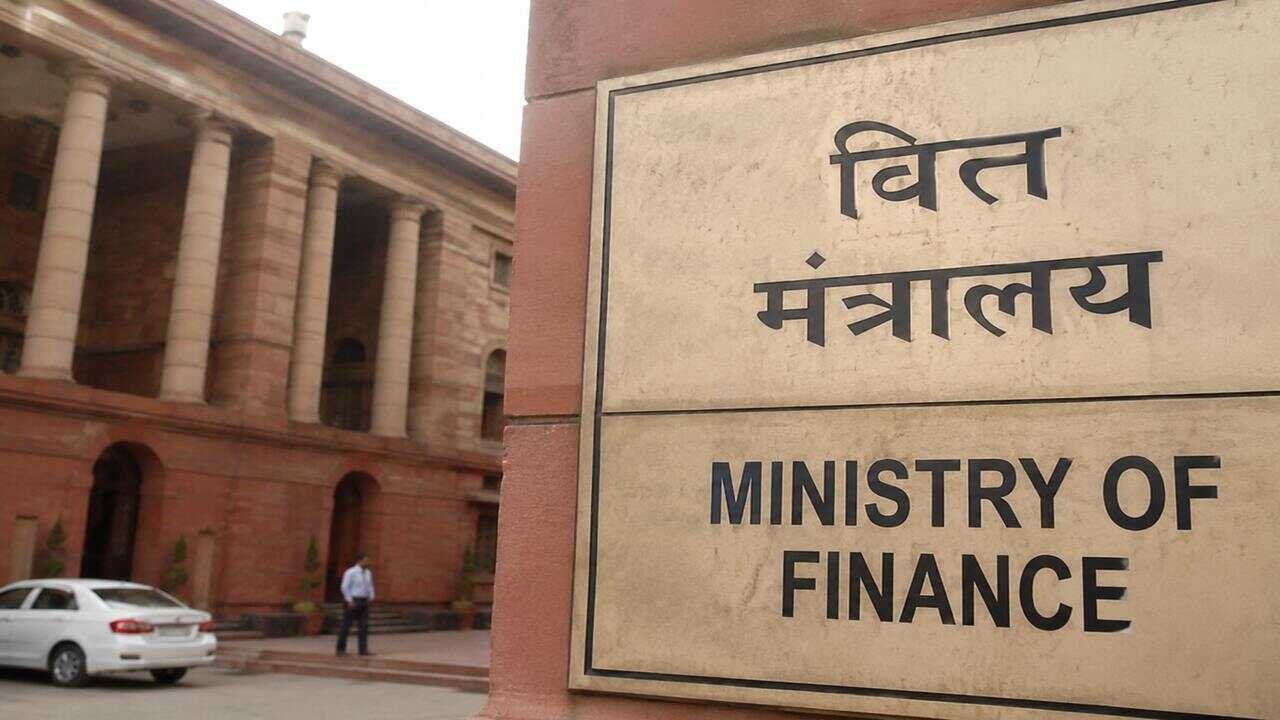
Modi Pushes Monetisation 2.0: The Central Government has stepped up efforts to launch the next phase of its asset monetisation programme, commonly referred to as Monetisation 2.0, as it seeks to strengthen revenue generation amid growing financial pressures. Senior officials are reportedly holding frequent review meetings to identify opportunities for raising funds through the sale of public sector assets and strategic disinvestment.
According to government sources, the Centre has set an ambitious target of raising nearly Rs 80,000 crore through disinvestment during the 2026 27 financial year. Authorities believe additional revenue could also be generated by accelerating the privatisation of several state owned enterprises. Officials from key departments overseeing public assets and investments are said to be working closely to fast track these initiatives.
One of the major proposals receiving renewed attention is the sale of IDBI Bank. The process had slowed in the past due to valuation concerns and limited investor interest. However, the government is now making fresh attempts to complete the transaction and transfer its stake to private investors as part of its broader economic strategy.
The Centre is also preparing a larger roadmap under the National Monetisation Pipeline 2.0. The plan reportedly aims to monetise public assets worth around Rs 10 lakh crore by March 2030. This follows the earlier phase of the programme, under which assets valued at approximately Rs 5.4 lakh crore were transferred or monetised through various mechanisms.
In parallel, efforts are being intensified through the National Land Monetisation Corporation to unlock the value of surplus land owned by public sector enterprises. During the 2025 26 financial year alone, approvals were reportedly granted for the sale of government land and assets worth more than Rs 10,000 crore.
Government representatives argue that recent financial commitments have increased pressure on public finances. These include support measures for oil marketing companies as well as emergency credit schemes for sectors such as MSMEs and aviation. Officials maintain that monetisation and disinvestment are necessary steps to mobilise resources and support economic activity.
However, the strategy has attracted criticism from several quarters. Opponents argue that profitable public sector enterprises and valuable government land are long term national assets that should not be transferred to private entities. Critics claim that economic challenges are being used as justification for selling strategic assets, raising concerns about the future role of the public sector in the country’s development.