
Delhi Zoo Celebrates First Artificial Hatching of Indian Cobra Hatchlings in 15 Years
After a 15 year wait, Delhi Zoo successfully hatched three Indian cobra hatchlings through artificial incubation, marking a significant achievement in reptile conservation and scientific wildlife management.
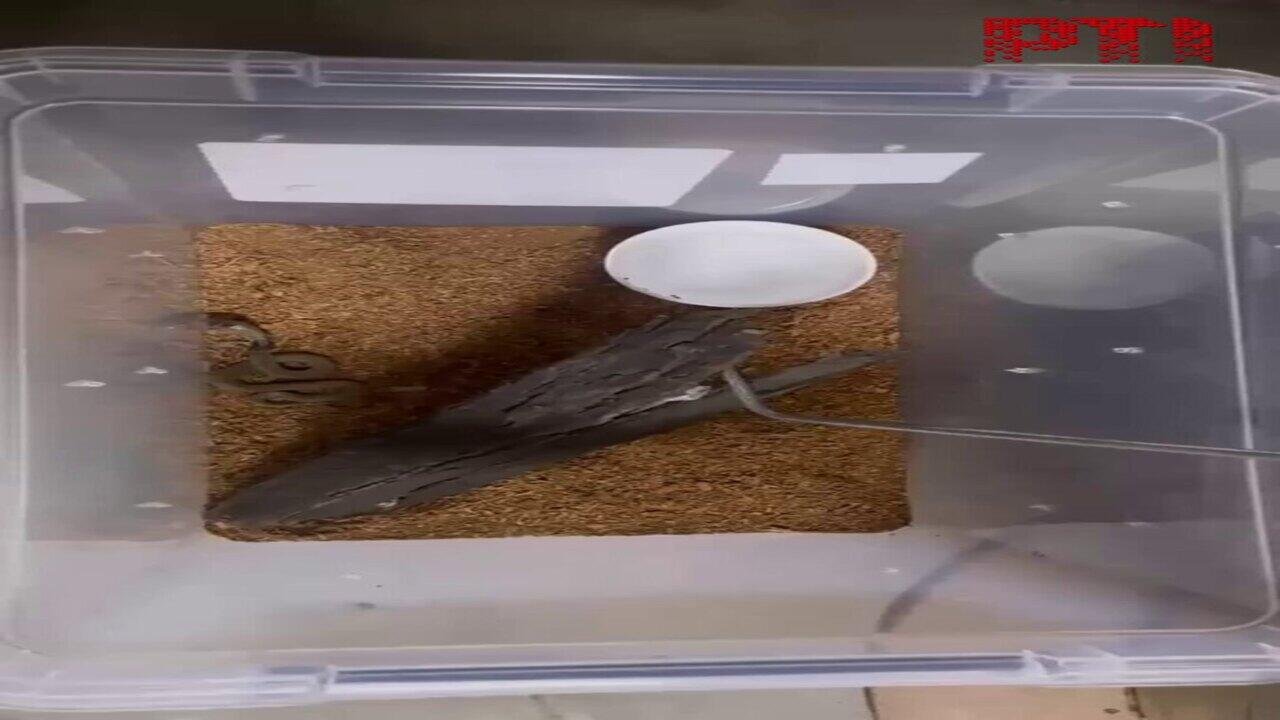
A major milestone in wildlife conservation has been achieved at Delhi’s National Zoological Park, where three Indian cobra hatchlings were successfully born through artificial incubation after a gap of nearly 15 years. The accomplishment is being hailed as one of the zoo’s most important successes in reptile breeding and scientific animal care.
The young cobras emerged from their eggs on June 29 and June 30 under the close supervision of the zoo’s veterinary and animal care specialists. According to zoo officials, all three hatchlings are healthy, active, and adapting well to their protected environment.
The incubation process was carried out in specially controlled incubators that maintained the ideal temperature and conditions required for successful development. Experts monitored the eggs throughout the incubation period to ensure the best possible outcome.
Zoo Director Sanjeet Kumar described the achievement as a landmark moment for the institution. He said the successful hatching demonstrates how scientific breeding techniques can strengthen wildlife conservation efforts and improve the survival of vulnerable reptile species.
The National Zoological Park last recorded successful Indian cobra breeding during the 2010 to 2011 period, when 11 hatchlings were born. Since then, repeated attempts to breed the species had not produced the desired results, making this year’s success especially meaningful for the zoo.
To safeguard the newborn reptiles, the hatchlings have been placed in a secure enclosure designed to replicate their natural habitat. Veterinary experts are monitoring their health and behavior around the clock through continuous observation to ensure they develop safely during the early stages of life.
Wildlife specialists believe the success could encourage similar scientific breeding programs for other reptile species in the future. The breakthrough is expected to strengthen conservation efforts and support the long term protection of India’s native snake population.