
India to Introduce Comprehensive Sex Education in Schools and Colleges
The Centre has approved a new Comprehensive Sex Education curriculum covering safe touch, consent, puberty and personal safety, with nationwide implementation planned after Supreme Court approval.
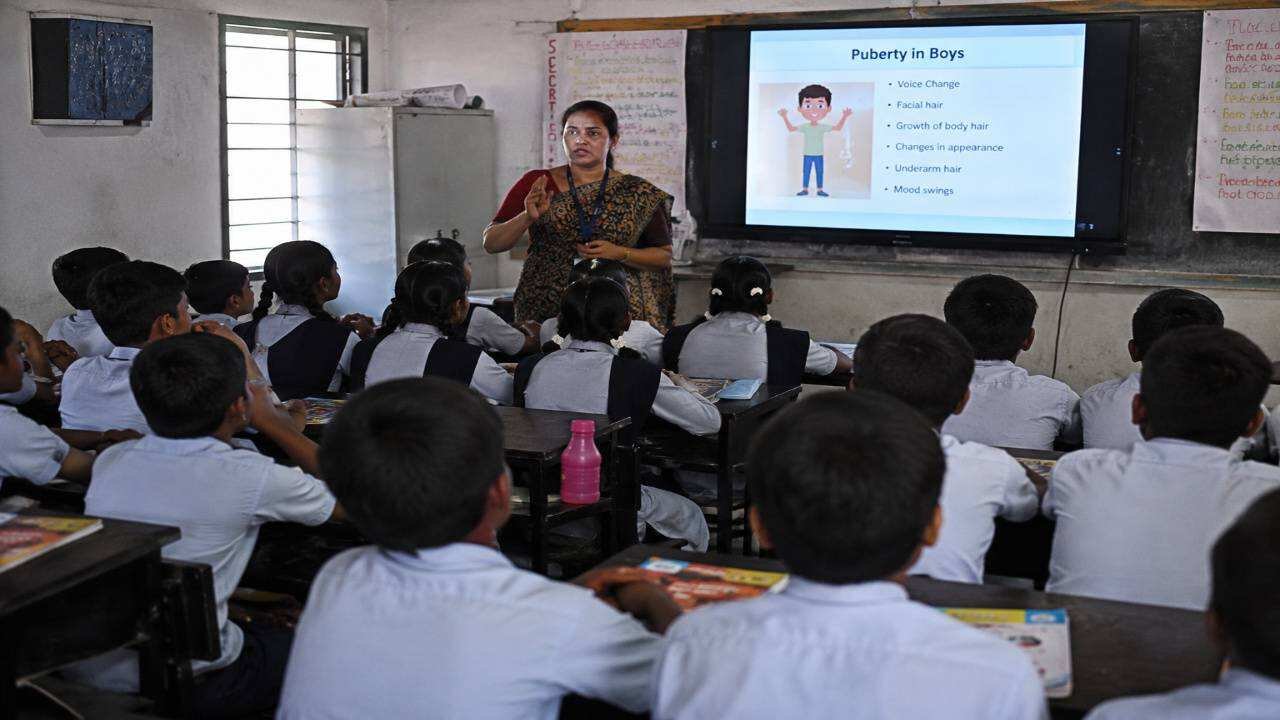
The Central government has decided to introduce Comprehensive Sex Education as a formal part of the curriculum in schools and colleges across India. The move follows recommendations from a 26 member national expert committee and is expected to be implemented after receiving final approval from the Supreme Court.
The new curriculum is designed to provide age appropriate education on topics including safe touch, consent, puberty, personal hygiene, body awareness, emotional development and personal safety. Instead of one time awareness sessions, these lessons will become a regular part of classroom learning under the National Education Policy 2020.
According to the recommendations, children in primary classes will first be taught simple concepts such as identifying body parts, maintaining personal hygiene and understanding the difference between safe and unsafe touch. As students progress to higher classes, lessons will gradually cover puberty, hormonal changes, personal boundaries, recognising unsafe situations and seeking help when required.
The expert panel has also suggested that specially trained teachers conduct these sessions for 15 to 20 minutes twice every week. In addition, schools will organise awareness meetings for parents and guardians to explain childhood development and the importance of age appropriate sex education.
The decision came after the Supreme Court raised concerns about the growing number of criminal cases involving consensual relationships between adolescents under the Protection of Children from Sexual Offences Act. During the hearing, the court observed that many teenage relationships were being treated as criminal matters, often after complaints filed by family members.
A bench comprising Justices BV Nagarathna and R Mahadevan stressed that adolescence is a sensitive stage of life and that education is a more effective approach than criminalising young people. The court directed authorities to explore preventive measures that promote awareness and safety.
The committee that prepared the recommendations included experts from the Tata Institute of Social Sciences, clinical psychologists, representatives of the National Legal Services Authority and the National Commission for Protection of Child Rights. After reviewing the report, the Centre informed the Supreme Court that it had accepted the recommendations and plans to introduce the programme across the country.
For years, proposals to introduce sex education in India faced resistance due to cultural and social concerns. However, the expert panel concluded that structured education has become essential as many teenagers now depend on unverified online sources for information, increasing the risk of misinformation, exploitation and abuse.