
China Export Curbs on Tunnel Machines Push India to Accelerate Self Reliance in Infrastructure
China export restrictions on tunnel boring machines have disrupted major infrastructure projects in India prompting the government to strengthen domestic manufacturing diversify suppliers and reduce long term dependence on imports
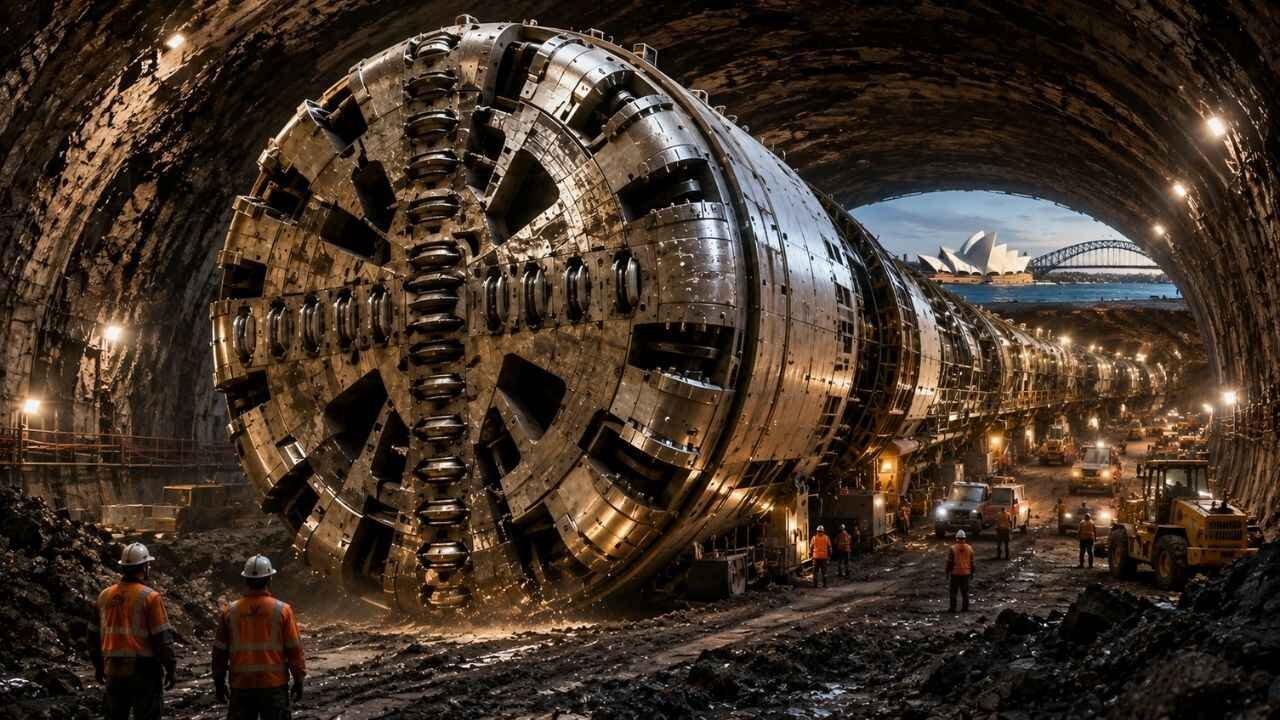
India is stepping up efforts to reduce its dependence on Chinese construction equipment after export restrictions from China disrupted the supply of Tunnel Boring Machines used in major infrastructure projects. The development has prompted the government to fast track plans for domestic manufacturing and build a more resilient supply chain.
Tunnel Boring Machines play a crucial role in the construction of metro rail networks railway tunnels and highway projects. Several important developments across cities including Bengaluru Mumbai and Dehradun along with strategic tunnel works in the Himalayan region have relied heavily on these advanced machines imported from China.
The sudden interruption in supplies has raised concerns over project delays and increased costs. The situation has highlighted the risks of depending on a single country for critical infrastructure equipment and has encouraged policymakers to focus on long term self reliance.
To address the challenge India is promoting local production of advanced tunnel boring machines and heavy engineering equipment. The government is encouraging partnerships between Indian manufacturers and global technology leaders from countries such as Japan and Germany to strengthen domestic capabilities.
Another major part of the strategy is diversifying the supply chain. Instead of relying primarily on Chinese manufacturers India is expanding procurement options by working with companies from Japan Germany and other European nations. This approach is expected to improve supply stability and reduce future disruptions.
The government is also supporting domestic production through incentive programmes and policy measures aimed at boosting heavy machinery manufacturing. These initiatives are designed to help Indian companies develop advanced engineering capabilities while reducing import dependence.
Alongside manufacturing reforms authorities are introducing stricter security checks for foreign equipment used in infrastructure projects. Both hardware and software components of imported machinery will undergo closer scrutiny to ensure safety and reliability in critical national projects.
India aims to ensure that metro railway highway and strategic tunnel projects continue without disruption even during global trade or geopolitical challenges. The broader objective is to build future infrastructure using stronger domestic technology supported by trusted international partnerships, making the sector more resilient and self sufficient.