Can You Be Jailed for Not Paying a Credit Card Bill Here Is What the Law Says
Missing a credit card payment can lead to penalties legal recovery and credit score damage but non payment alone does not result in arrest under Indian law.
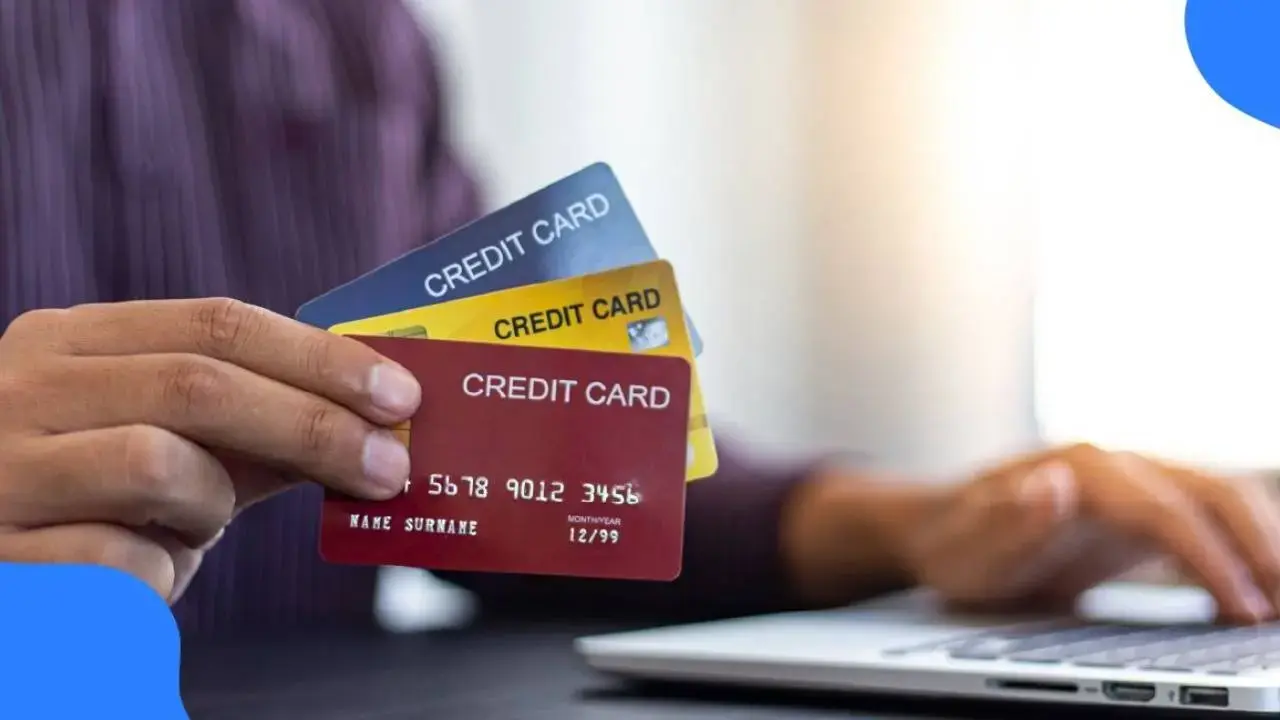
Credit cards have become an essential financial tool for millions of people, offering convenience, flexible payments, discounts, and cashback benefits. Whether it is online shopping, travel bookings, or emergency expenses, many consumers rely on credit cards to manage their finances. However, problems begin when cardholders spend beyond their repayment capacity and fail to clear their monthly dues.
One of the most common concerns among credit card users is whether failing to pay the outstanding bill could lead to arrest or imprisonment. While banks and financial institutions have the legal right to recover unpaid dues, simply missing a credit card payment is not considered a criminal offence under Indian law. As a result, police cannot arrest or jail a person solely for non payment of a credit card bill.
Although there is no immediate risk of imprisonment, ignoring credit card payments can have serious financial consequences. Banks continue to add interest charges and late payment fees, causing the outstanding amount to grow significantly over time. If the dues remain unpaid for an extended period, repaying the debt can become even more difficult.
Another major impact is on the borrower’s credit score. Payment defaults are reported to credit bureaus, which can reduce the credit score considerably. A poor credit history may affect future loan applications, making it difficult to obtain personal loans, home loans, vehicle loans, or even another credit card from financial institutions.
Banks generally begin the recovery process by sending reminders through calls, messages, emails, and official notices. If the borrower continues to ignore these communications, the lender may assign the case to recovery agents or initiate legal proceedings to recover the outstanding amount through civil courts.
In some situations, the bank may also adjust the unpaid amount from another account held by the customer within the same bank, depending on the account terms and applicable regulations. If recovery through normal channels is unsuccessful, the lender can file a civil recovery suit seeking repayment of the dues. In certain cases, court ordered recovery measures involving the borrower’s assets may also be considered, subject to legal procedures.
Financial experts advise credit card users to contact their bank immediately if they are unable to make payments on time. Many banks offer repayment options such as EMI conversion, settlement discussions, or restructuring plans that can help borrowers manage their dues before the situation worsens.
Using a credit card responsibly is the best way to avoid financial stress. Paying bills on time, spending within your repayment capacity, and maintaining a healthy credit history can help you enjoy the benefits of a credit card while avoiding unnecessary legal and financial complications.