Neem Leaves in the Morning May Offer Health Benefits, But Care Is Needed
Neem leaves have a long history in traditional wellness, but their possible benefits should be understood alongside scientific evidence, safety concerns and the need for proper medical care.
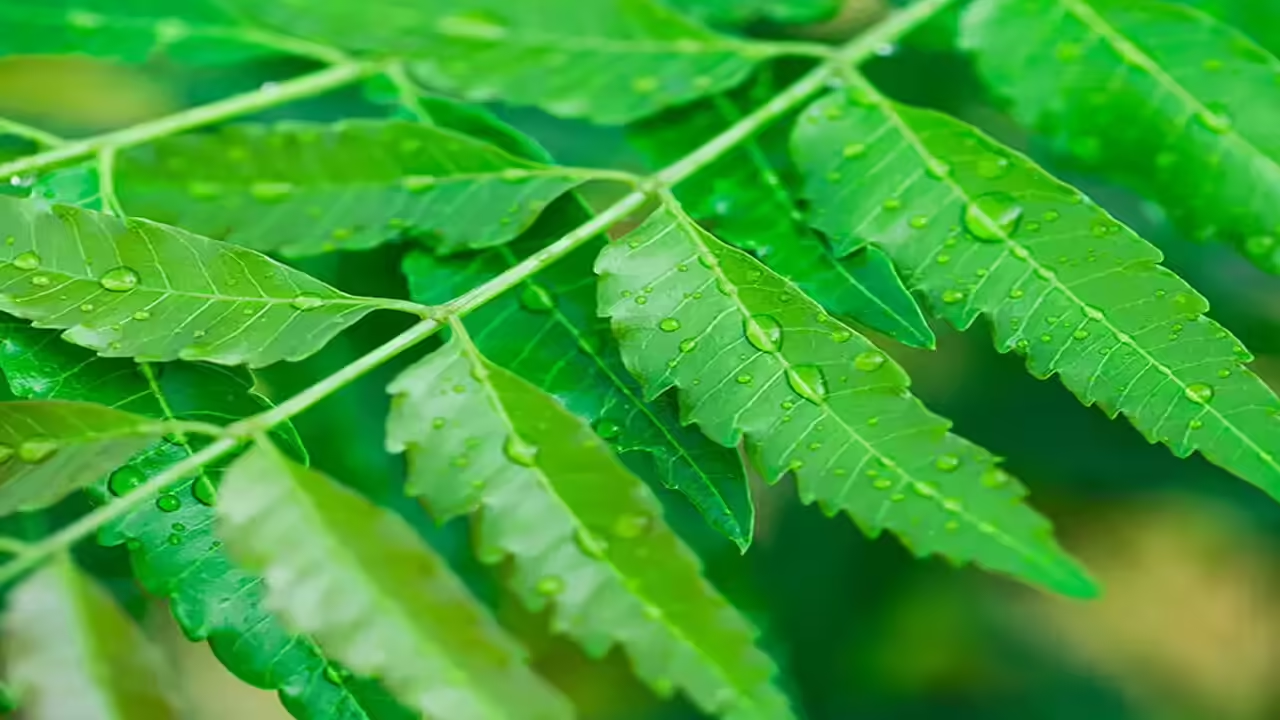
• Neem leaves may support blood sugar control.
• Neem leaves contain antioxidant compounds.
• Neem leaves should not replace medical treatment.
Neem has been part of traditional Indian health practices for generations. Its bitter taste may make fresh leaves difficult to eat, but the plant contains several bioactive compounds that have attracted scientific interest.
Recent research has found some evidence that specific neem leaf extracts may help with blood sugar management. One clinical study involving people with type 2 diabetes found improvements in blood sugar and insulin resistance after 12 weeks of a standardized aqueous neem leaf and twig extract. However, this research involved a specific extract and dose, not simply chewing four or five fresh leaves every morning.
This distinction is important because the health effects of neem can vary depending on which part of the plant is used, how it is prepared and the amount consumed. Researchers have also noted that evidence for many traditional uses remains limited or inconsistent.
Neem contains compounds with antioxidant and other biological properties, which is one reason it continues to be studied. However, claims that eating a few leaves can cleanse the blood, rapidly reduce body weight or cure stubborn diseases are not supported strongly enough to be presented as established medical facts.
Some people also use neem in traditional remedies for digestive and skin related concerns. While the plant has been investigated for several potential uses, more research is needed before these benefits can be considered reliable treatments.
Anyone considering neem for blood sugar management should be particularly careful. Neem may affect glucose levels, and combining it with diabetes medicines could potentially increase the risk of blood sugar becoming too low. Clinical guidance also warns that herbal preparations can interact with conventional medicines.
The safety of regular long term neem consumption is another area that should not be overlooked. Different neem preparations can have different safety profiles, and reports of adverse effects exist, particularly with concentrated products and neem oil. Neem ingestion is also generally advised against during pregnancy and breastfeeding and for young children.
For people who still want to include neem as part of a traditional routine, it is better not to assume that more is better. Fresh leaves should be properly washed, and anyone with an existing medical condition or taking regular medication should speak with a healthcare professional before consuming neem regularly.
Neem can certainly be discussed as a traditional plant with promising areas of research, but it should not be described as a cure for diabetes, infections, digestive problems or other chronic diseases. Medical treatment and a balanced diet remain important when managing health conditions.