Burnt Nonstick Pan? Try This Simple Cleaning Method
A simple cleaning method can loosen stubborn burnt residue while helping protect the delicate nonstick coating from scratches and unnecessary damage.
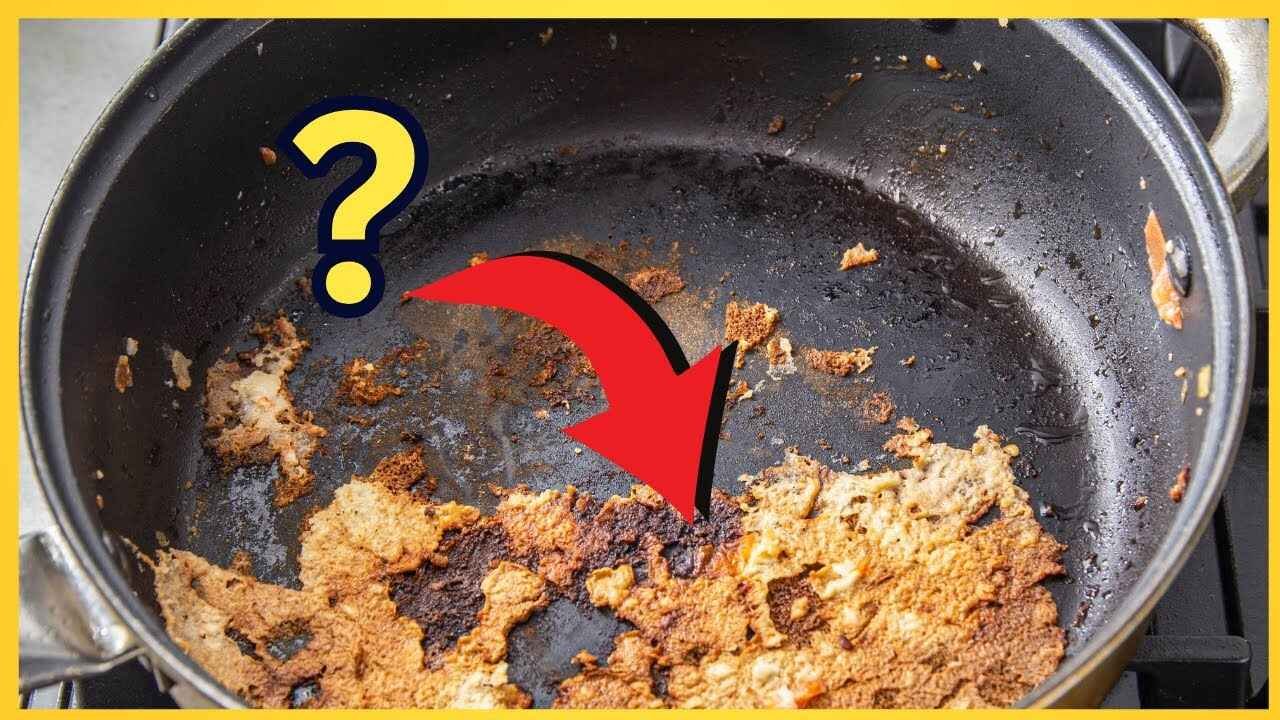
Burnt nonstick pans can be difficult to clean, but gentle soaking and proper washing methods can loosen stubborn residue without unnecessary damage to the cooking surface.
Nonstick cookware has become a regular part of many kitchens because it allows food to be prepared with less oil and makes everyday cooking more convenient. The problem usually starts when food burns or a pan is accidentally left over high heat.
Stubborn black residue can be tempting to attack with a rough scrubber or a homemade cleaning mixture. However, aggressive cleaning can create a bigger problem by scratching or damaging the nonstick surface.
One popular internet tip involves mixing baking soda with vinegar. While the combination produces plenty of fizz, that reaction does not automatically make it a powerful cleaner for burnt grease. Baking soda is alkaline and vinegar is acidic, so they react with each other and largely neutralise one another.
A gentler approach is usually more suitable for nonstick cookware. Start by filling the pan with warm water and adding a small amount of regular dishwashing liquid. Allow the mixture to sit for some time so that the hardened food and grease can soften.
For suitable cookware, the soapy water can be gently heated to help loosen stubborn residue. The pan should then be removed from the heat and allowed to cool before cleaning. Once it is safe to handle, a soft sponge can be used to wipe away the loosened deposits.
There is no need to attack the surface with excessive force. If some residue remains, repeating the soaking process is generally safer than using a metal scrubber or abrasive cleaner.
How a nonstick pan is handled during regular cooking also affects its lifespan. Metal spatulas and steel scrubbers can scratch the coating, so wooden or silicone utensils and soft sponges are better choices.
Another common mistake is placing a very hot pan directly under cold water. A sudden temperature change can potentially cause the cookware to warp. Letting it cool gradually before washing is a better habit.
Cooking an empty nonstick pan over very high heat should also be avoided. Excessive temperatures can damage the coating, and manufacturers generally provide specific temperature and care instructions for their cookware.
If the coating is badly scratched, peeling, flaking or otherwise damaged, cleaning may not restore the pan to a safe condition. In such cases, replacing the cookware and following the manufacturer’s care instructions is the safer option.
Gentle cleaning protects nonstick pans.
Warm soapy water can loosen burnt residue.
Avoid metal scrubbers on nonstick cookware.