Smart Toilets Are Changing Bathroom Habits With Water Cleaning and Automated Features
Smart toilets and washlets are moving beyond luxury bathrooms, offering water based cleaning, heated seats, drying systems and touch free controls for modern homes.
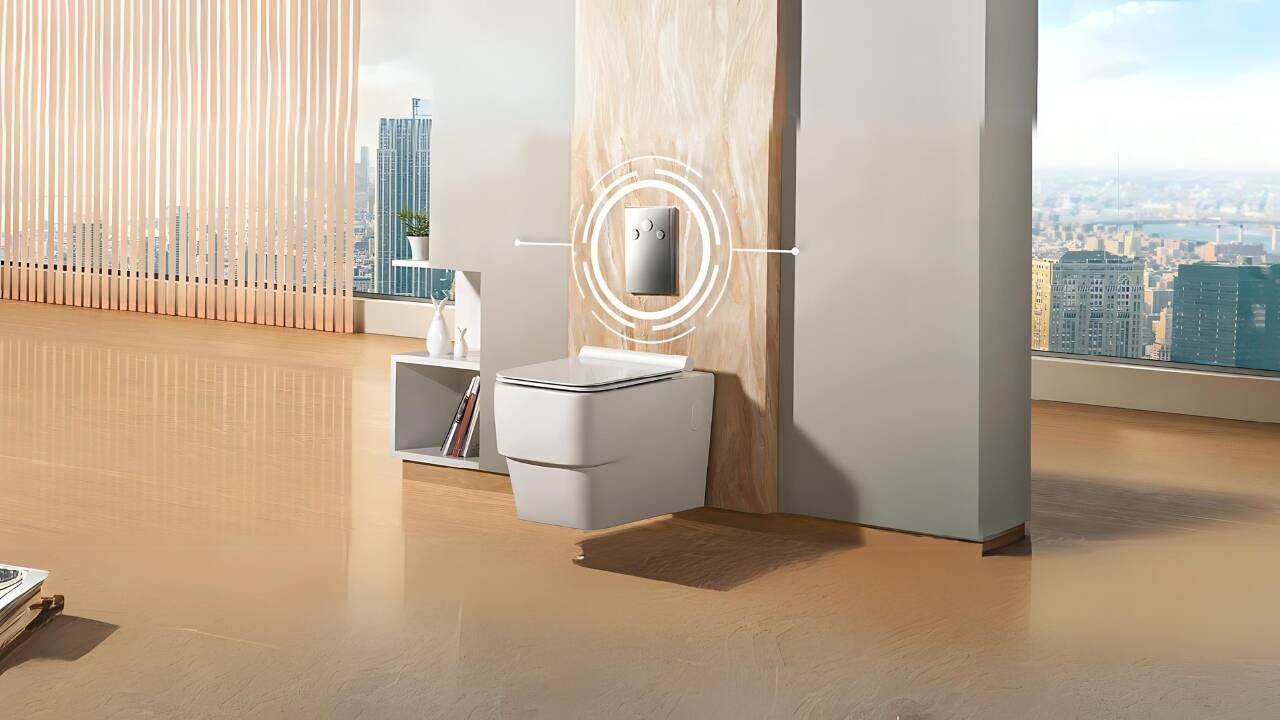
The bathroom is becoming another part of the connected home, with smart toilets and washlets attracting growing attention in modern housing. Once strongly associated with high end hotels and Japan, these systems are now appearing in homes in more markets.
Unlike a conventional toilet, a smart toilet or washlet can combine toilet functions with a built in bidet system. Users can adjust features such as water temperature, spray position and water pressure depending on the model. Some premium units also offer heated seats, warm air drying and automatic sensors.
One of the biggest changes is the move from paper based cleaning to water based washing. Because the built in spray can handle much of the cleaning process, users may need considerably less toilet paper. Some people may use only a small amount for drying, while others may rely on the dryers available in certain models.
The experience can also be more personalized. A user can select different water settings and adjust the spray according to personal preference. This is one reason washlets have become popular among consumers looking for greater comfort as well as convenience.
Touch free operation is another feature attracting attention. Sensors can automatically activate or control certain functions, reducing the number of surfaces a user needs to touch. Depending on the model, automatic flushing and nozzle cleaning may also be available.
Environmental considerations are adding another dimension to the trend. Reducing toilet paper consumption can reduce demand for paper products and the resources involved in producing them. However, the environmental impact of a smart toilet also depends on factors such as electricity and water consumption, manufacturing and product lifespan.
Comfort is clearly another selling point. Heated seats can make a difference during colder weather, while warm air drying can reduce the need for paper after washing. More advanced systems may offer several settings that can be customized for different users.
Despite the automation, smart toilets are not maintenance free. The toilet bowl, seat and surrounding areas still need regular cleaning and disinfection. Built in cleaning functions are designed to assist with hygiene, but they do not replace normal bathroom maintenance.
The technology is also becoming part of the wider smart home movement. As consumers become more comfortable with connected appliances and automated household products, bathrooms are increasingly being included in that shift.
That does not mean toilet paper is about to disappear. It remains inexpensive, widely available and convenient in many situations. But as water based cleaning systems become more accessible, some households may gradually reduce their dependence on toilet paper.
For now, smart toilets are best viewed as a combination of hygiene, comfort and automation rather than simply a replacement for a traditional toilet. As prices and technology evolve, they could become a more familiar feature in everyday bathrooms.