
One Air Fryer Foil Mistake Could Ruin Your Food and Affect Airflow
Using aluminum foil in an air fryer can be convenient, but placing it incorrectly may block airflow, affect cooking results and create safety concerns around the heating element.
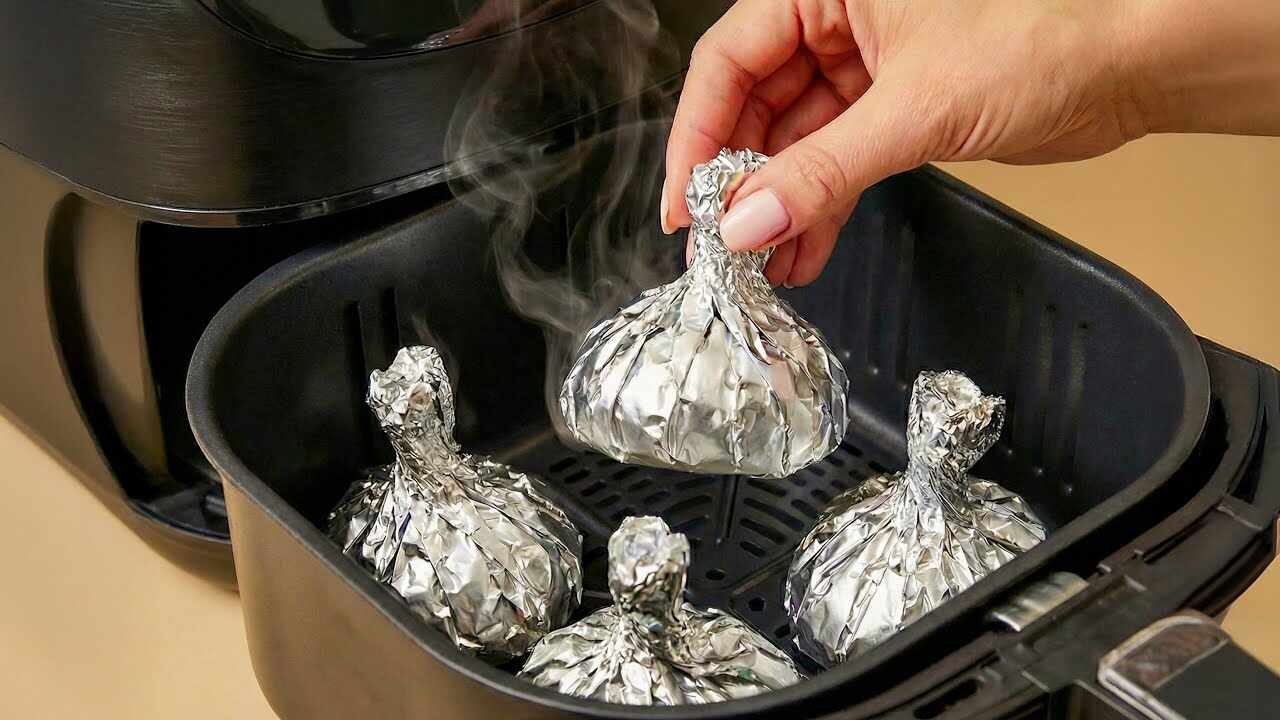
Using aluminum foil in an air fryer can be convenient, but blocking airflow or allowing foil near heating elements may affect cooking quality and create avoidable safety concerns during use.
Air fryers have quickly become a common kitchen appliance because they allow people to prepare crispy foods with much less oil than traditional frying. However, as their popularity grows, questions about using accessories such as aluminum foil inside the appliance are also becoming common.
Aluminum foil can be useful in certain air fryer recipes, but the way it is placed matters. Covering too much of the cooking basket or positioning foil incorrectly can interfere with the appliance’s hot air circulation and affect how the food cooks.
Before using foil, users should first check the instructions provided with their particular air fryer. Manufacturers do not necessarily give identical guidance for every model, so assuming that foil is suitable for all air fryers can lead to problems.
The biggest concern is airflow. Air fryers cook food by rapidly circulating hot air around the basket. If aluminum foil completely covers the base or blocks important air passages, the hot air may not move properly. As a result, food may cook unevenly and lose the crisp texture that makes air frying popular.
Another important precaution is keeping foil away from the heating element. Lightweight foil can potentially move when exposed to strong circulating air, particularly if it is not held down by food. If it reaches the heating element, it could create a safety concern. For this reason, foil should never be positioned where it can come into direct contact with the heating components.
Users should also avoid covering ventilation openings. Proper airflow is essential for the appliance to operate as intended, and blocking vents can interfere with cooking performance as well as the overall functioning of the device.
There are situations where foil may be convenient. It can make cleaning easier when preparing foods that release a considerable amount of oil or liquid. However, convenience should not come at the expense of airflow. The foil should be used only in a way that leaves the necessary circulation paths open.
There is also a question about whether aluminum can transfer into food. The amount that may migrate from foil can depend on factors such as the type of food, temperature and length of contact. Foods with certain characteristics may interact differently with aluminum. Following the foil manufacturer’s guidance and the air fryer’s instructions is therefore a sensible precaution.
One common mistake is treating the foil like a complete liner for the basket. Doing so can prevent the hot air from reaching the food effectively. Instead, when foil is permitted by the manufacturer, it should be used sparingly and positioned so that it does not interfere with the appliance’s cooking system.
For anyone using an air fryer regularly, the basic rule is simple. Do not cover the entire basket with foil, keep it away from the heating element, prevent it from becoming loose and never block the appliance’s vents.
Checking the user manual before trying foil is the safest approach because different air fryer models may have different operating requirements. A small amount of care can help maintain proper cooking performance while reducing avoidable problems in the kitchen.