
Crying Is Not Weakness: The Surprising Science Behind Your Tears
Crying is a natural response that may ease emotional tension, support relaxation and help people process difficult feelings
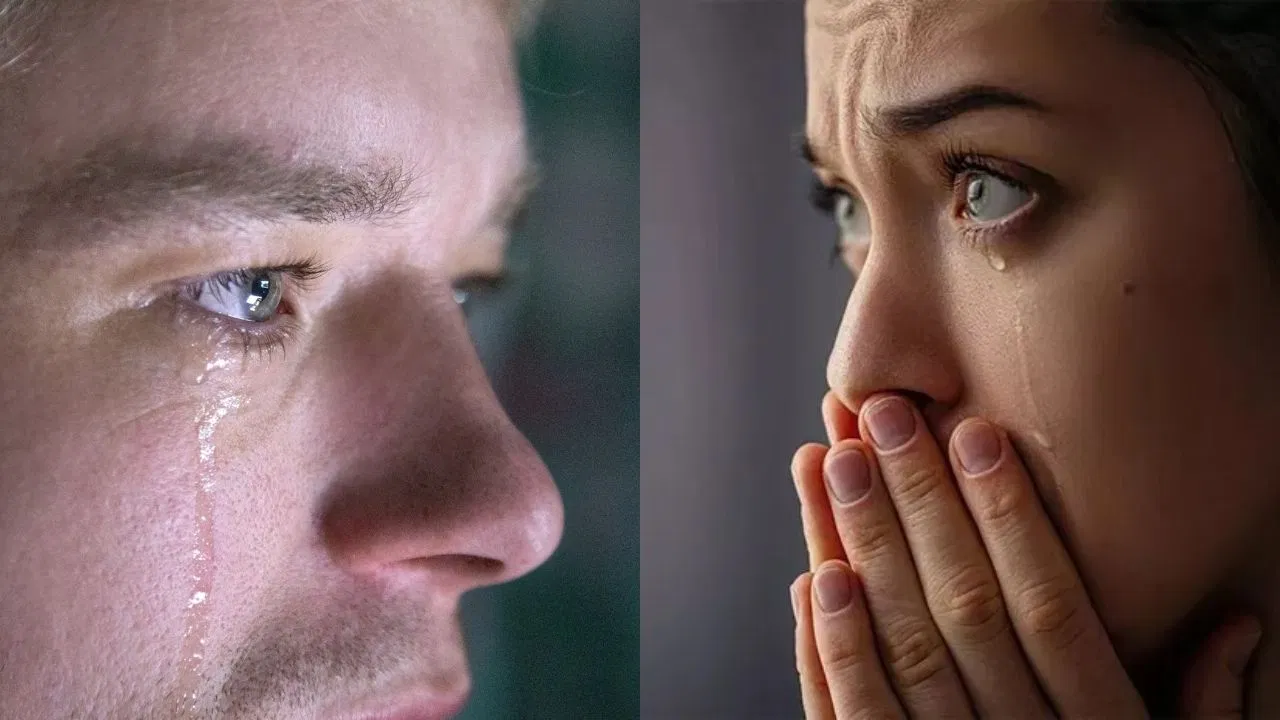
Crying is a normal emotional response that may help some people feel calmer, support social connection, and allow the body to shift away from prolonged stress and tension after stress.
For years, many people have grown up hearing that crying is a sign of weakness, particularly when it comes to men. But crying is a normal human response to strong emotions, and health experts say there is no reason to feel ashamed about shedding tears. People may cry because of sadness, grief, anger, frustration, happiness or even overwhelming relief.
What happens after crying can also feel surprisingly different. Some people report feeling calmer or emotionally lighter after a good cry, especially when they are able to express their feelings in a safe and supportive environment. Research suggests that the emotional benefits of crying can depend on the situation and the support a person receives afterward.
Tears are not simply water. The human body produces different types of tears for different purposes. Basal tears are continuously produced in small amounts to keep the eyes lubricated and protected. Reflex tears appear when the eyes are exposed to irritants such as dust, smoke or onion fumes. Emotional tears are linked to strong feelings such as sadness, happiness, grief and frustration.
Emotional crying involves changes in the nervous system and can be accompanied by changes in breathing, facial expressions and body tension. After an intense emotional episode, the body may begin shifting from a heightened stress response toward a calmer state. The parasympathetic nervous system, which is associated with rest and recovery, can become more active after crying.
This may explain why someone who has been holding back emotions for a long time can sometimes feel relieved after finally crying. The feeling is not necessarily because tears are removing harmful substances from the body. Instead, expressing intense emotions may help some people process what they are feeling and reduce the sense of emotional pressure.
There is also a common claim that emotional tears flush large amounts of cortisol or other stress related chemicals out of the body. That idea is often repeated, but scientists do not consider crying a proven detox method. Cortisol is an important hormone produced by the body that helps regulate stress, metabolism and several other functions, and its levels are controlled through complex biological processes.
Crying can also have an important social role. When someone becomes tearful, the behavior can communicate distress or a need for comfort without requiring words. Support from friends, family members or other trusted people may make the experience more positive and can strengthen feelings of connection.
The eyes themselves also benefit from normal tear production. Tears help keep the surface of the eye moist, wash away small particles and support clear vision. Reflex tears are particularly useful because they help remove irritants from the eye. Emotional tears are different from these protective tears, and scientists are still studying exactly why humans produce them during strong emotions.
Another reason people may feel better after crying is that emotional release can be followed by physical relaxation. Intense emotions can activate the body’s fight or flight response, while calming afterward can slow breathing and reduce some of the physical tension associated with emotional overload. Endorphins are also involved in the body’s natural response to pain and stress, although it would be inaccurate to say that crying itself automatically causes a major endorphin release in everyone.
At the same time, crying should not be presented as a treatment for depression, anxiety or other mental health conditions. Everyone responds differently, and crying does not always make a person feel better immediately. Research has found that some people can actually feel worse shortly after crying before experiencing improvement later.
For that reason, the important message is not that people should force themselves to cry whenever they feel stressed. Instead, there is no health benefit in treating normal emotional expression as something shameful. If tears come naturally during a difficult moment, allowing the emotion to be expressed in a safe environment can be a normal part of dealing with what happened.
If someone is crying very frequently, feels unable to control their emotions or finds that persistent sadness is interfering with everyday life, it may be worth speaking with a healthcare professional. Crying is a normal human behavior, but ongoing emotional distress can sometimes signal that additional support is needed.
The old idea that crying automatically means weakness does not reflect what we know about human emotions. Tears are part of a complex physical and emotional response, and while they are not a magical detox or cure for stress, allowing yourself to express difficult feelings can be a healthy part of emotional life.