Making Milk Tea at Home? The Right Time to Add Milk Changes Everything
For millions of tea lovers, the secret to a rich cup lies not just in the ingredients but also in when milk, spices and tea leaves are added during preparation.
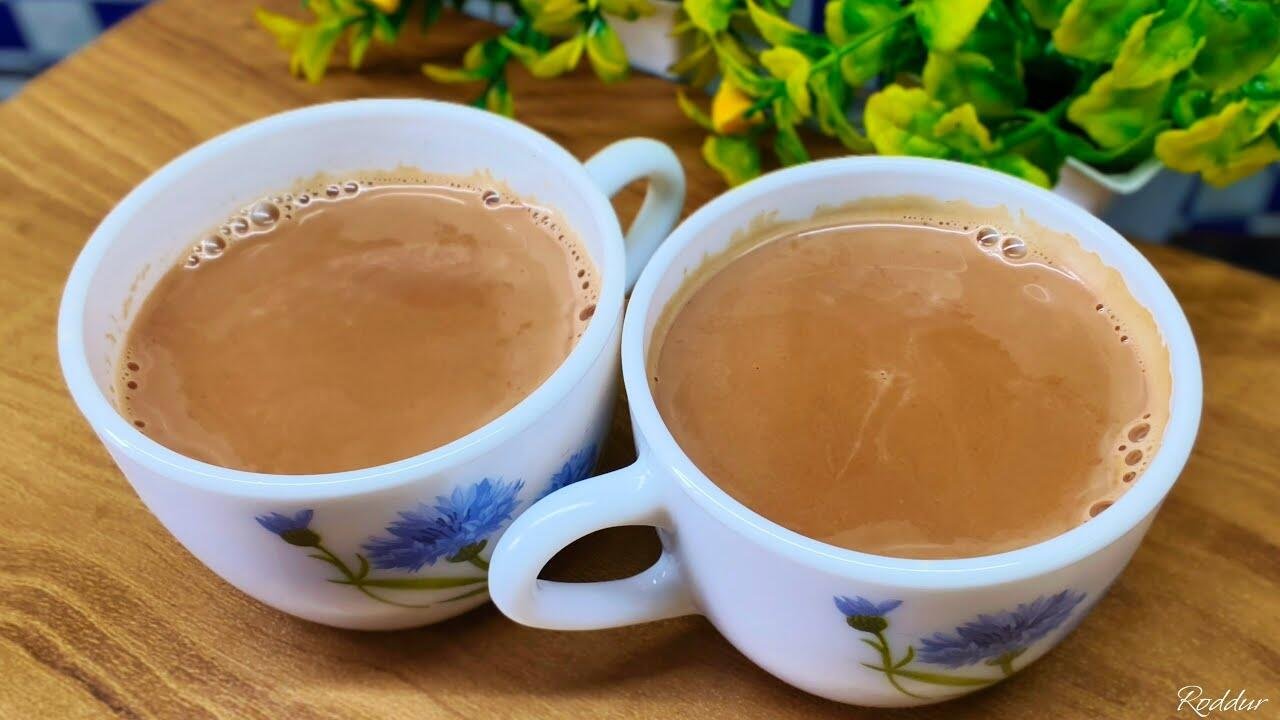
For many people, the day does not really begin until they have had their first cup of hot tea. Milk tea is a familiar favourite across Indian households, yet getting the same strong flavour and inviting aroma found at a good tea stall or café can be surprisingly difficult.
The difference often comes down to the preparation method. The order in which the ingredients are added, the time they are allowed to simmer and even the way the tea is stirred can change the final taste.
For a rich and aromatic cup of milk tea, start with one cup of water in a saucepan and bring it to a proper boil. Once the water is bubbling, add a small piece of crushed ginger and two lightly crushed cardamom pods.
Allow the spices to simmer in the water for about two to three minutes. This gives their natural flavour and aroma enough time to infuse into the water. Rushing this step can leave the tea tasting flat, especially when ginger and cardamom are being used for flavour.
The next step is where the preparation becomes important. Add one and a half cups of thick milk to the spiced water and allow it to heat properly. Once the milk begins to warm, add about two teaspoons of tea leaves along with sugar according to taste.
Adding the milk before the tea leaves gives the ingredients enough time to blend while the tea develops its colour and strength. However, the tea should not simply be left unattended on high heat.
As the mixture starts to boil, stir it well and repeatedly lift the tea with a ladle before pouring it back into the pan. This familiar technique often seen at roadside tea stalls helps create a fuller texture and a light layer of froth. It also helps the milk, tea and spices blend more evenly.
Once the tea rises and begins to foam, reduce the heat. Let it simmer gently for another three to four minutes. This slower cooking stage allows the colour and flavour from the tea leaves to develop without rushing the process.
The quantity of tea leaves also matters. Using too little can result in a weak drink, while adding too much can make the tea overly bitter. Around two teaspoons for this quantity of liquid provides a strong base, but the amount can be adjusted depending on personal preference and the type of tea being used.
After simmering, turn off the heat and allow the tea to rest covered for about a minute. This short resting period helps retain the aroma of the ginger, cardamom and tea before the drink is strained and served.
The ingredients are simple, but small changes in technique can make a noticeable difference. Properly boiling the spices, adding milk at the right stage, simmering the tea patiently and stirring it well can help create a rich cup with a strong aroma and satisfying texture.
So, if homemade milk tea never seems to taste quite like the version served at your favourite tea stall, the problem may not be the ingredients at all. The real difference could be hiding in the cooking order and the few extra minutes spent preparing the perfect cup.