Four Ton SpaceX Rocket Part Crashes Into Moon Revealing Rare Chemical Clues
A SpaceX Falcon 9 rocket component collided with the Moon at high speed, allowing scientists to observe unusual chemical signals and study the impact effects on the lunar surface.
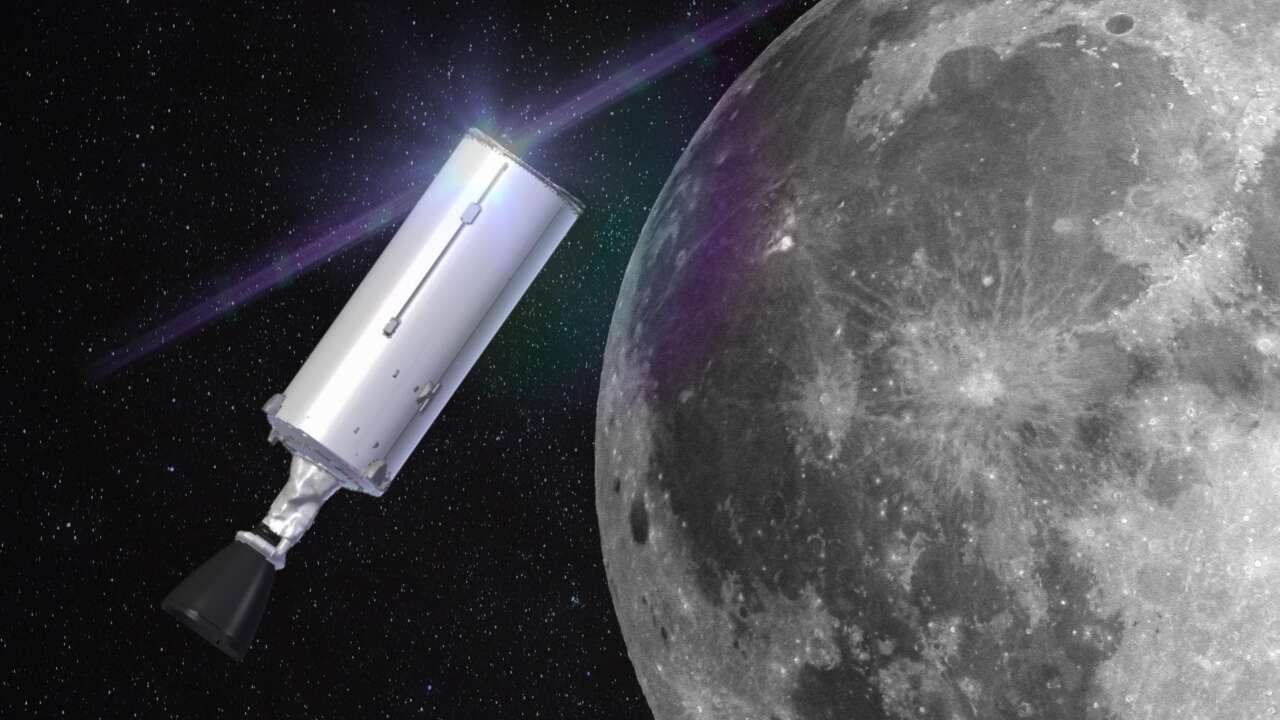
A surprising event in space research has given scientists a rare opportunity to study how artificial objects interact with the Moon. A four tonne section from a SpaceX Falcon 9 rocket crashed into the lunar surface near the Einstein crater, creating an unexpected impact event that revealed new details about lunar material and spacecraft debris.
The rocket stage hit the western edge of the Moon at an estimated speed of around 5,400 miles per hour. The impact happened after the rocket component had completed its original mission of helping launch a Firefly Aerospace lunar lander in January 2025. SpaceX confirmed that the collision was not intentionally planned and occurred as the leftover rocket part continued moving through space.
Scientists observed the event using powerful Earth based telescopes and collected valuable information from the impact. The European Southern Observatory’s Very Large Telescope in Chile detected a brief flash from the lunar surface along with chemical signals released after the collision. The observations helped researchers understand what materials were released when the rocket stage struck the Moon.
Following the impact, researchers detected traces of sodium and lithium gases in the dust cloud that rose from the lunar surface. These chemical signatures remained visible for only a short period of about five to ten minutes, making the observation a rare opportunity for scientists studying lunar impacts.
Experts believe the detected sodium likely came from the Moon’s surface material, while the lithium may have originated from batteries or other components inside the rocket stage. Scientists are continuing detailed analysis to confirm the exact sources of these elements and understand the full impact process.
The incident also highlights the growing challenge of space debris management. In many missions, rocket stages return to Earth’s atmosphere after completing their tasks and burn up safely. However, some components involved in deep space missions can remain in orbit and continue travelling until they are influenced by gravitational forces.
According to SpaceX, the rocket part gradually changed its path due to the effects of the Sun’s radiation and gravitational interactions before eventually reaching the Moon. Such events provide researchers with valuable data about artificial impacts on lunar terrain and could help improve future space exploration planning.
The video showing the impact was also shared by SpaceX founder Elon Musk, attracting attention from space enthusiasts worldwide. Scientists say observations like this offer a better understanding of the Moon’s surface behaviour and the long term effects of human activity beyond Earth.