
Why Spraying Vinegar on Home Walls Is Becoming a Popular Cleaning Trick
Using vinegar on walls may help remove stains, reduce odors, and support home cleaning, but experts warn that it must be used safely on suitable surfaces only.
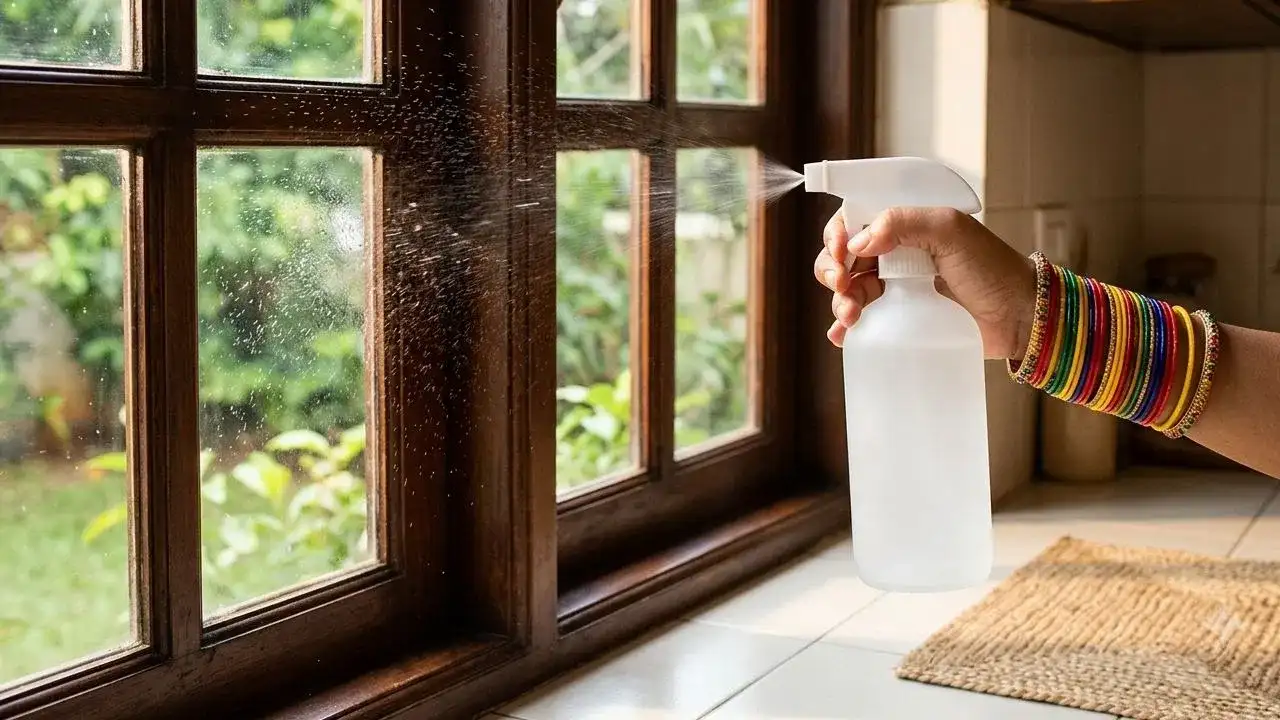
Keeping walls clean is often overlooked because they may appear spotless from a distance. Over time, however, dust, fingerprints, moisture marks, and unwanted residues can build up on wall surfaces, especially in areas like kitchens and bathrooms. Many homeowners are now turning to white vinegar as a simple household cleaning solution.
Experts explain that vinegar contains acetic acid, which can help break down certain types of dirt, soap deposits, and mild mineral stains. While it can be useful for regular cleaning, specialists caution that vinegar is not a universal solution for every type of wall surface.
One of the main reasons people use diluted vinegar on walls is to remove light marks and everyday dirt. A mixture of white vinegar and water sprayed lightly on the surface and wiped with a microfiber cloth may help clear dust, fingerprints, and minor stains, making walls look cleaner.
Vinegar may also help control unpleasant smells inside rooms. The acetic acid present in vinegar can interact with some odor causing substances, which may help make the surrounding area feel fresher. This is one reason many people use it in kitchens and other frequently used spaces.
In moisture prone areas such as bathrooms and kitchens, vinegar is sometimes used to clean mild marks caused by dampness. It may help with small surface level fungal stains, but experts warn that heavy mold growth requires proper cleaning methods and professional attention.
For those planning to use vinegar on walls, experts recommend mixing equal amounts of white vinegar and water in a spray bottle. The solution should be applied lightly, left for a few minutes, and then wiped using a soft cloth. Testing the mixture on a hidden area of the wall before full application is considered a safer approach.
However, vinegar should not be used on every surface. Walls made from natural stones such as marble and granite, surfaces with damaged paint, or areas with wax coatings can be affected by vinegar’s acidic nature. Using it on such materials may lead to damage.
Another important safety warning is to never mix vinegar with bleach or other strong chemical cleaners. Combining these substances can create harmful fumes and may pose health risks.
White vinegar can be a useful addition to household cleaning routines when used correctly, but understanding the limits of the product is essential. Choosing the right cleaning method based on the wall material can help protect surfaces while maintaining a cleaner home environment.