How Many Chapatis Should You Eat Every Day Experts Reveal the Ideal Quantity
Chapati is a daily food for millions, but the right amount depends on calories, lifestyle, body needs and health goals according to nutrition experts.
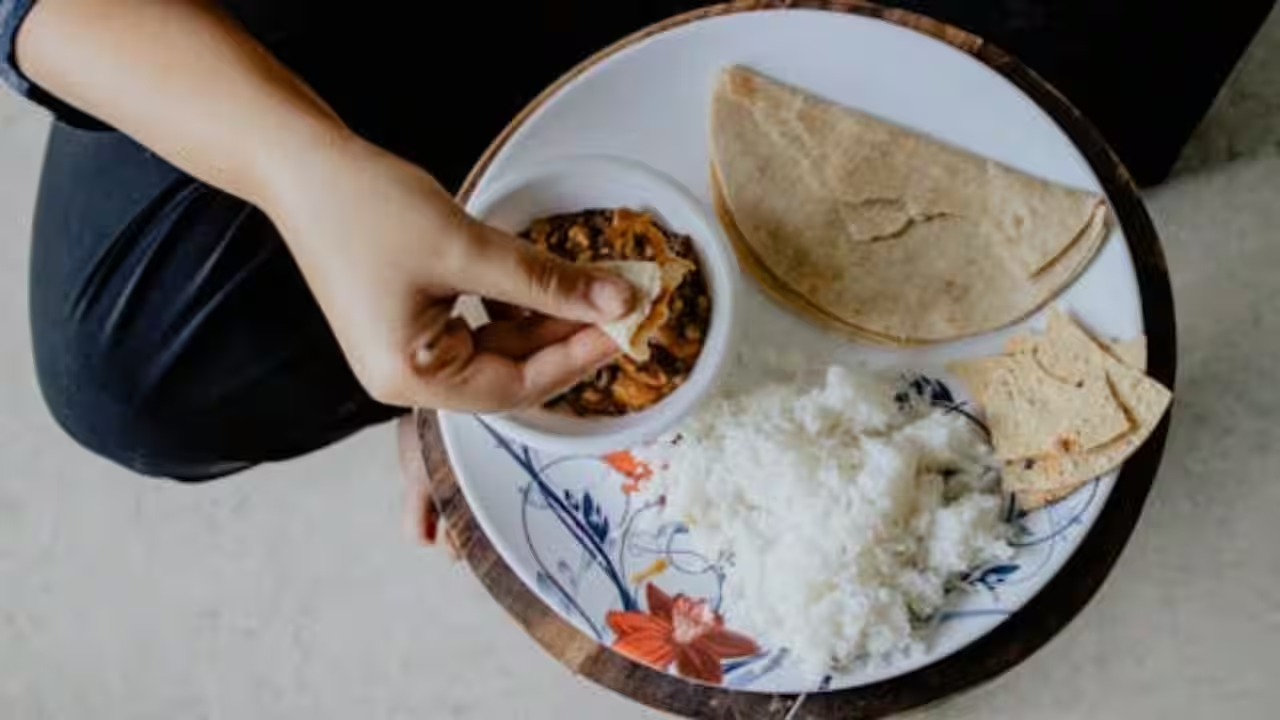
Chapati is a regular part of meals in many Indian households, especially in North India where it is commonly eaten with vegetables, dal and other side dishes. However, people trying to lose weight, manage blood sugar levels or maintain fitness often wonder how many chapatis they should eat in a day.
Nutrition experts explain that there is no fixed number suitable for everyone because the ideal quantity depends on age, body weight, height, gender and daily physical activity. A person with an active lifestyle may require more energy compared to someone with a less active routine.
According to nutrition experts, a medium sized wheat chapati weighing around 40 grams contains approximately 110 to 120 calories. However, the calorie count can change depending on the size, thickness and type of flour used while preparing it.
The approximate calorie values of chapatis vary by size. A half chapati of around 20 grams may contain about 60 calories, while a small 32 gram chapati provides nearly 96 calories. A medium 40 gram chapati has around 120 calories, and a larger 52 gram chapati can contain about 156 calories. Two medium chapatis together provide nearly 240 calories, while three may add around 360 calories to the meal.
Adding ghee can significantly increase the calorie intake. A teaspoon of ghee spread on a chapati can add around 40 to 45 extra calories, which is important to consider for people following a calorie controlled diet.
Despite calorie concerns, chapatis offer several nutritional benefits when included as part of a balanced meal. They contain complex carbohydrates that provide steady energy and help the body remain active for longer periods. Their fibre content also supports digestion and helps people feel full for a longer time, reducing frequent hunger.
The fibre present in whole wheat chapatis may also help in maintaining better blood sugar control by slowing down the release of glucose into the bloodstream. Along with carbohydrates and fibre, chapatis provide plant based protein and essential nutrients such as vitamin B, iron and magnesium that contribute to overall health.
Nutrition experts suggest that a healthy person can generally consume around two to four medium sized chapatis in a meal, depending on individual requirements. This means the total daily intake may range between six and twelve chapatis for some people, but the quantity should be adjusted according to lifestyle and calorie needs.
For those aiming to lose weight or control diabetes, simply reducing chapati intake may not always be the best approach. The overall meal combination is more important. Eating chapatis along with vegetables, protein rich foods, pulses and other nutritious items can help create a balanced diet.
Experts also advise avoiding the common mistake of eating only chapatis without enough protein or vegetables. A properly planned plate with the right combination of nutrients can support energy levels, digestion and long term health while allowing chapatis to remain a healthy part of daily meals.