Mother’s Milk Benefits: Why Breastfeeding Is Called a Baby’s First Natural Vaccine
It helps protect babies from infections and strengthens the bond between mother and child during the most important stage of development
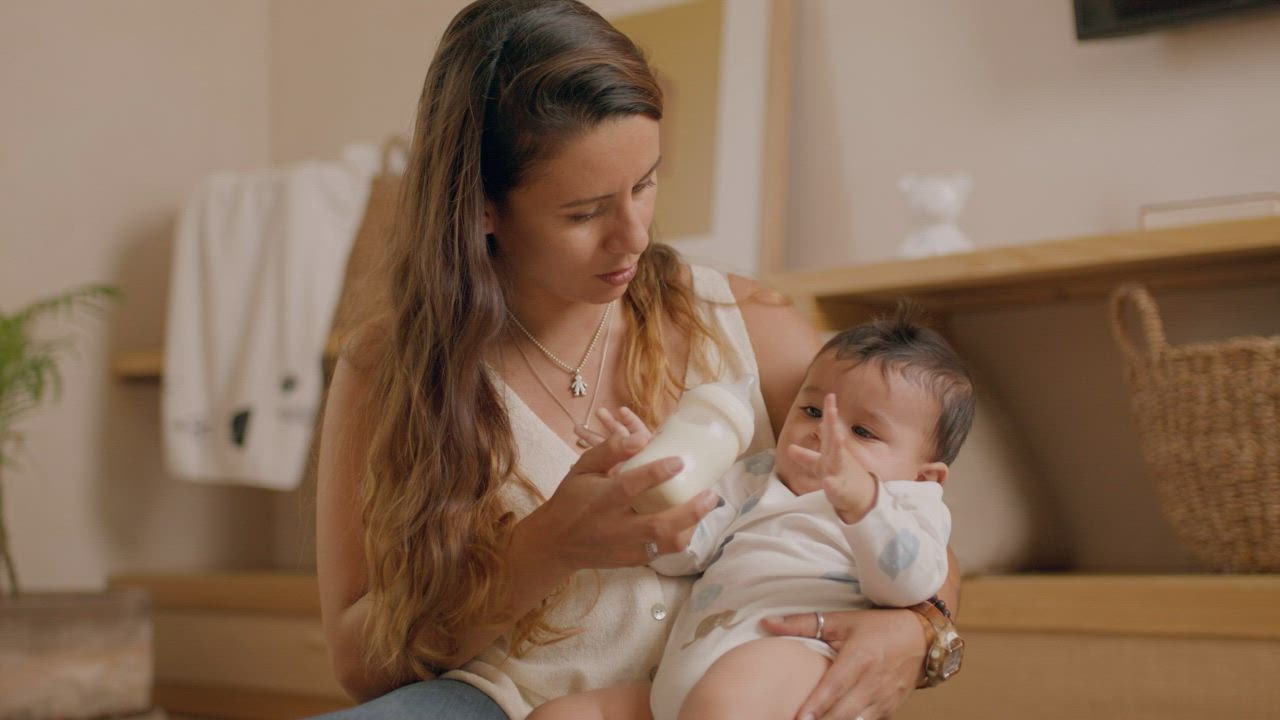
Breast milk is often called a baby’s first natural vaccine because it provides essential protection during the early days of life. The first milk produced after childbirth, known as colostrum, contains powerful antibodies and nutrients that help newborns build their initial immune defense when their own immunity is still developing.
Every year, World Breastfeeding Week is observed from August 1 to August 7 to spread awareness about the importance of breastfeeding and encourage support for new mothers. Experts say that while formula milk can be useful in certain situations, breast milk remains uniquely designed to meet a baby’s changing nutritional and protective needs.
The idea behind World Breastfeeding Week began in 1992 through the efforts of the World Alliance for Breastfeeding Action along with the World Health Organization and UNICEF. The initiative focuses on educating families, healthcare workers and communities about the advantages of breastfeeding and providing support systems for mothers.
Doctors explain that breast milk is not a fixed formula. Its composition changes naturally according to the baby’s requirements. During each feeding session, the milk adapts to provide the right balance of nutrients, hydration and immune support. Colostrum is especially valuable because it carries antibodies developed from the mother’s own immune experience, giving the newborn an early layer of protection.
Babies who receive breast milk during their early months may have better protection against common health problems such as diarrhea and respiratory infections. For newborns who have not yet developed strong natural immunity, these protective elements can play an important role in maintaining health.
Breastfeeding also provides significant benefits for mothers. The process stimulates the release of oxytocin, a hormone that helps the uterus return to its normal size after delivery and may reduce postpartum bleeding. Experts also highlight that breastfeeding is associated with a lower risk of conditions such as breast cancer, ovarian cancer, type 2 diabetes and certain heart related diseases.
Health specialists say breastfeeding is not about achieving perfection but about providing support and care according to each mother and baby’s situation. Even small improvements, such as getting help with proper latching techniques or overcoming feeding difficulties, can make breastfeeding easier and more beneficial for both.
Traditional health systems have also recognized the importance of breast milk. Ayurveda considers mother’s milk as a highly valuable source of nourishment for newborns. According to Ayurvedic principles, breast milk is connected to the mother’s overall health, diet, lifestyle and emotional wellbeing. It is believed to support the baby’s growth by providing essential nourishment during the earliest stage of life.
Experts emphasize that breastfeeding is not only about feeding a baby but also about building a foundation for long term health. The nutritional value, immune protection and emotional connection created through breastfeeding make it one of the most important aspects of early childcare. Support from families, healthcare professionals and communities can help more mothers confidently choose and continue breastfeeding.