Coconut Chutney: Does This South Indian Favourite Really Increase Fat
Many avoid coconut chutney fearing cholesterol and weight gain but experts explain how its healthy fats nutrients and moderate use can support overall health.
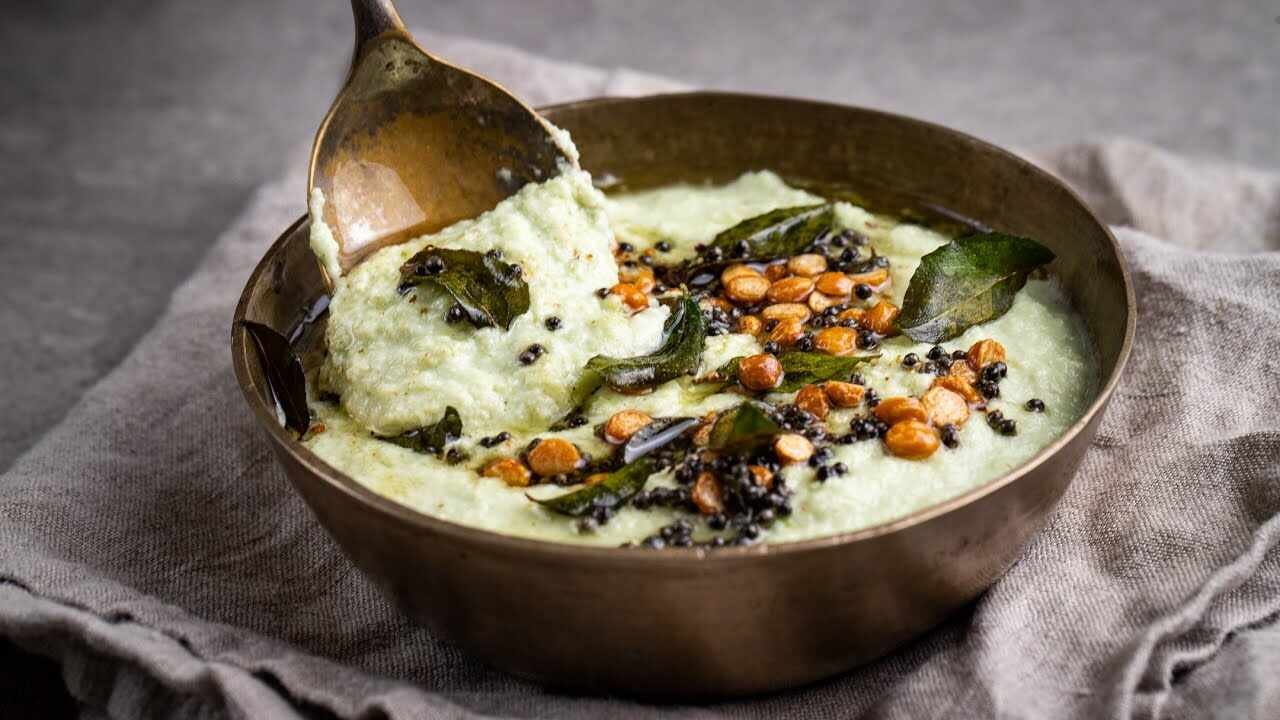
Coconut chutney has been a favourite companion for South Indian breakfast dishes like idli and dosa for generations. The creamy texture and rich flavour make it an essential part of many meals, but concerns about fat and cholesterol have caused some people to avoid it.
Health experts say that coconut chutney, when consumed in moderation, can be part of a balanced diet. Coconut contains medium chain triglycerides known as MCTs, which are a type of fat that the body can quickly use for energy. These healthy fats are different from the fats commonly associated with unhealthy weight gain.
Many people believe that eating coconut regularly may increase cholesterol levels, but nutrition experts explain that the overall effect depends on portion size and a person’s complete diet. Coconut also contains fibre and important nutrients that support general health. Rather than avoiding it completely, experts suggest enjoying it in controlled quantities as part of a healthy eating pattern.
One of the key nutrients found in coconut is lauric acid. Studies suggest that this fatty acid may help improve good cholesterol levels while supporting heart health. Coconut also contains dietary fibre, which helps digestion and keeps the body feeling full for longer periods. Because of these properties, coconut can be a useful addition for people looking for nutritious food options.
Coconut also provides minerals such as magnesium, phosphorus, and calcium, which are important for maintaining strong bones and teeth. The natural compounds present in coconut are also believed to support immunity and digestive health. Its antibacterial properties may help maintain a healthy balance of bacteria in the digestive system.
Making coconut chutney at home is simple and requires only a few ingredients. Fresh grated coconut, green chillies, cashews, garlic, coriander leaves, and salt are commonly used to prepare the chutney. For seasoning, ingredients like oil, mustard seeds, urad dal, dry red chilli, and curry leaves add extra flavour and aroma.
To prepare it, fresh coconut, green chillies, cashews, garlic, coriander leaves, and salt are blended together with a small amount of water until the mixture becomes smooth. A traditional tempering made with hot oil, mustard seeds, urad dal, dry chilli, and curry leaves is then added to the chutney to enhance its taste.
Coconut chutney can also be adjusted according to individual health needs. Reducing the amount of salt, using less oil for tempering, and controlling portion size can make it a healthier choice. People managing specific health conditions should follow advice from their healthcare professionals regarding their diet.
Rather than being a food to fear, coconut chutney can be a flavorful and nutritious part of everyday meals when eaten wisely. With its combination of taste, energy providing fats, fibre, and essential minerals, this traditional dish continues to hold an important place in South Indian cuisine.