
Monsoon Home Care Tips: Why Drying Wet Clothes Indoors Can Be Risky
Monsoon humidity can make indoor clothes drying a health concern by increasing moisture, mold growth, and allergy risks inside homes.
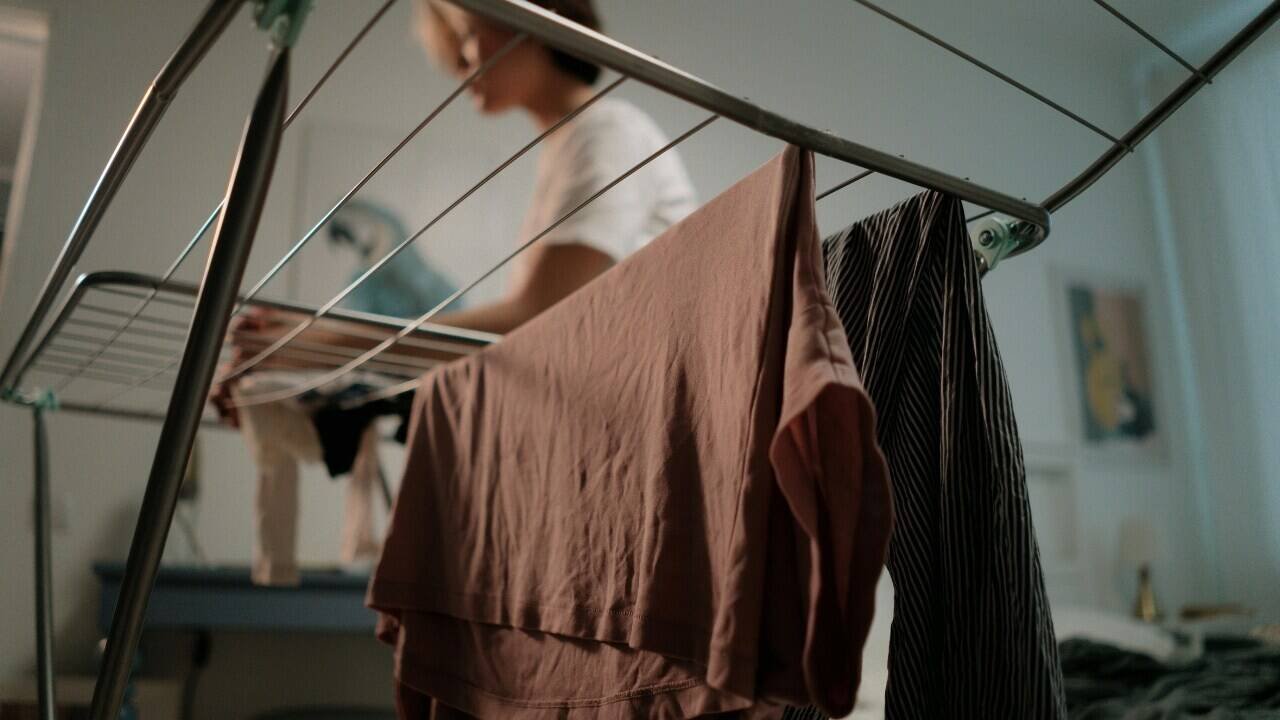
During the rainy season, drying washed clothes becomes a common challenge as continuous showers make outdoor drying difficult. Many people choose to hang wet clothes inside bedrooms, living rooms, or near fans to speed up the process. However, this common practice can create hidden health problems if proper precautions are not followed.
Health experts warn that keeping wet clothes indoors for long periods can increase humidity levels inside the house. The extra moisture creates a suitable environment for mold, fungus, and dust mites to grow, which may affect indoor air quality and lead to various health concerns.
When wet clothes release moisture into the air, humidity inside closed rooms can rise significantly. This damp environment can encourage the growth of harmful fungal spores, including species such as Aspergillus, on walls, corners, ceilings, and other surfaces. These particles can spread through the air and may cause infections or allergic reactions.
One of the biggest concerns linked to increased indoor moisture is respiratory health. People may experience problems such as blocked nose, throat irritation, continuous coughing, and sneezing. Those who already have asthma or allergies can be more sensitive to damp conditions, which may worsen their symptoms and increase the risk of breathing difficulties.
High humidity also creates favorable conditions for dust mites to multiply. These tiny organisms can settle in beds, sofas, carpets, and other household items. Their presence may trigger skin allergies, itching, irritation, and conditions such as eczema, especially among sensitive individuals.
Living in constantly damp surroundings may also affect the body’s ability to fight infections. Children, elderly people, pregnant women, and individuals with existing health conditions may be more vulnerable to problems such as respiratory infections and sinus-related issues when exposed to poor indoor air quality.
To reduce these risks, wet clothes should ideally be dried in areas with proper airflow and sunlight whenever possible. Avoid drying large amounts of clothes inside bedrooms or closed rooms where moisture can remain trapped for long periods.
Using fans while keeping windows slightly open can improve air circulation and help clothes dry faster. A dehumidifier can also be useful in reducing excess moisture from indoor spaces, especially during periods of continuous rainfall.
Before drying clothes indoors, using the spin or dryer option in a washing machine can remove extra water and reduce drying time. This helps limit the amount of moisture released into the home environment.
Balconies, covered outdoor spaces, or areas with proper ventilation are better options whenever weather conditions allow. Clothes can also be dried in sheltered areas where they are protected from rain but still receive enough airflow.
Monsoon brings relief from heat but also requires extra care in maintaining a healthy home environment. Simple changes in drying habits can help prevent moisture buildup and protect family members from problems caused by mold, fungus, and poor indoor air quality.