Skipping Dinner for Fatty Liver Is It Helpful or Just a Myth
Doctors say skipping dinner alone cannot treat fatty liver while healthy eating regular exercise weight management and timely meals remain the most effective long term lifestyle strategies for liver health
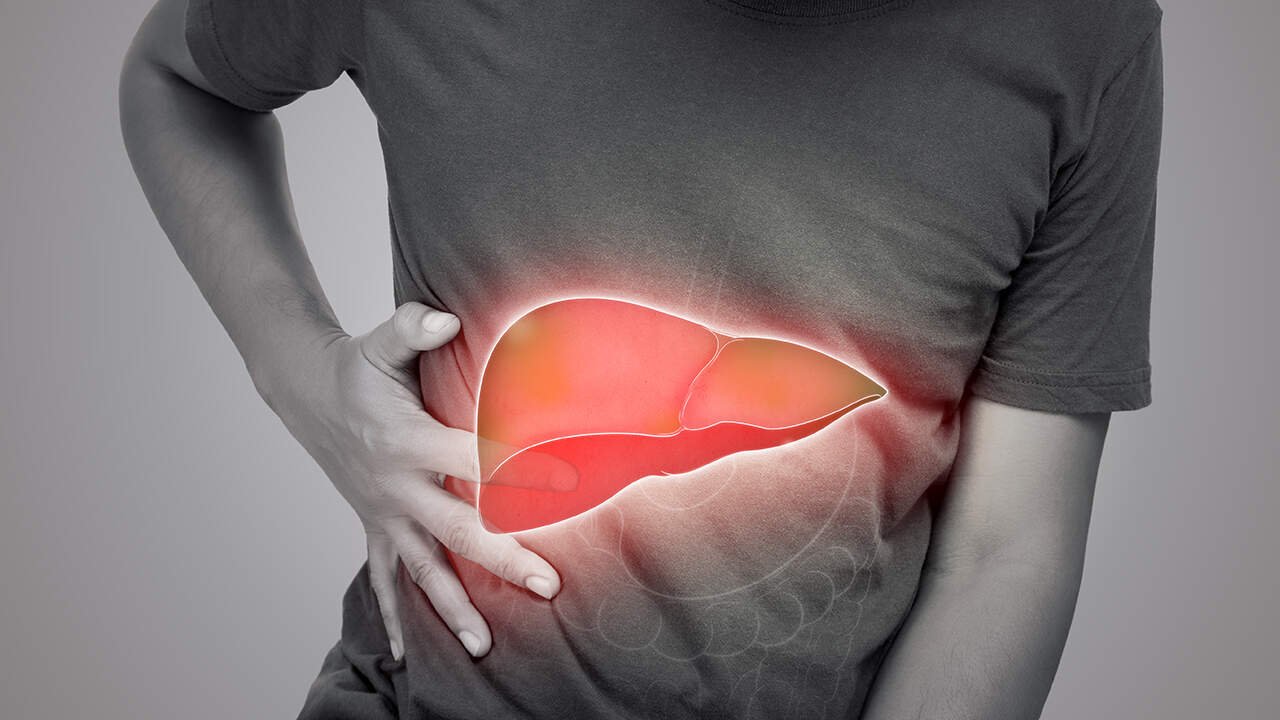
Fatty liver disease is becoming increasingly common, with doctors warning that many people may have the condition without experiencing noticeable symptoms in its early stages. If left untreated, it can gradually progress to more serious liver damage, including inflammation, fibrosis, and in some cases cirrhosis. As awareness grows, many people are searching for simple dietary changes that could improve liver health, including the belief that skipping dinner may reverse the condition.
Liver specialists, however, say there is no scientific evidence that avoiding dinner alone can cure or reverse fatty liver disease. According to medical experts, completely skipping the evening meal is not considered an effective treatment. Instead, they recommend maintaining a balanced eating pattern with appropriately sized meals spread throughout the day and having dinner early rather than late at night.
One reason late night eating is discouraged is that it often leads to consuming larger portions. After remaining hungry for several hours, people are more likely to overeat, increasing their calorie intake. Excess calories that are not used by the body can contribute to fat accumulation in the liver, making the condition worse over time. Eating moderate portions at a consistent time is generally viewed as a healthier approach.
Managing body weight remains one of the most effective ways to improve fatty liver disease. Health experts note that people who are overweight may benefit from losing around 7 to 10 percent of their body weight. Even this moderate reduction can decrease fat stored in the liver and may improve early inflammation and fibrosis associated with the condition.
Regular physical activity is another key part of fatty liver management. Doctors recommend aiming for at least 150 to 300 minutes of exercise each week. Activities such as brisk walking, cycling, swimming, and strength training can help improve overall metabolism, support weight control, and promote better liver function when performed consistently.
Diet also plays a significant role in protecting liver health. Experts advise reducing the intake of sugary drinks, packaged snacks, sweets, and foods high in added fructose, as these can contribute to increased fat deposits in the liver. Replacing highly processed foods with fresh fruits, vegetables, whole grains, and balanced meals may support long term health.
Protein rich foods are also encouraged as part of a healthy eating plan. Including foods such as lentils, paneer, eggs, fish, soy products, and low fat dairy in daily meals can help maintain muscle mass while improving satiety. A balanced intake of protein may also support healthy weight management, which is an important factor in reducing fatty liver risk.
Medical professionals emphasize that there is no single food or eating habit that can eliminate fatty liver disease on its own. The best results usually come from combining healthy eating, regular exercise, weight management, and consistent lifestyle changes. People diagnosed with fatty liver or experiencing ongoing health concerns should consult a qualified healthcare professional before making major dietary changes or beginning a new treatment plan.