Simple Kitchen Habits That Can Help Your LPG Cylinder Last Longer
Small changes in cooking techniques proper flame control and efficient kitchen habits can reduce unnecessary LPG consumption helping households save fuel money and extend cylinder usage every month
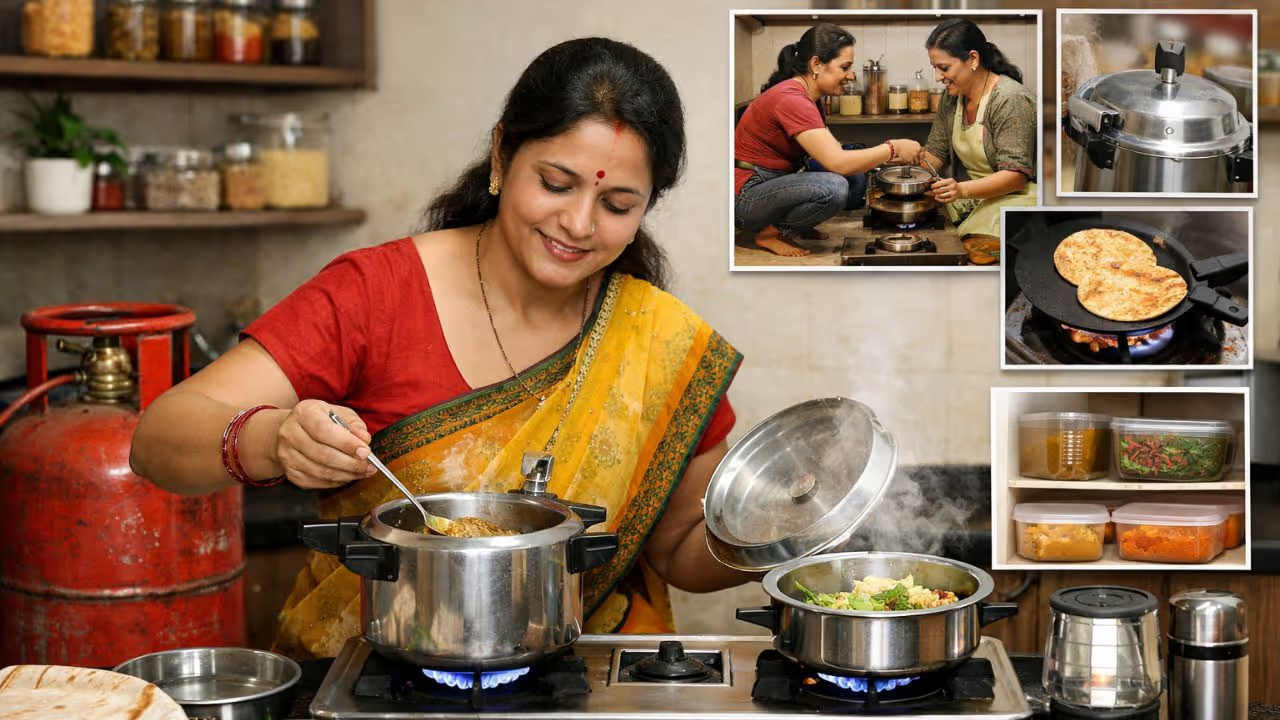
With rising household expenses, many families are looking for practical ways to reduce their monthly cooking costs. One of the most common concerns is an LPG cylinder running out sooner than expected. While many people believe that cooking only on the lowest flame or using the highest flame saves gas, experts say efficient fuel usage depends on adopting the right cooking habits rather than relying on extreme heat settings.
The size of the flame plays a key role in fuel efficiency. A flame that extends beyond the base of the cooking vessel wastes heat because the extra energy escapes into the surrounding air instead of heating the food. Experts recommend using a medium flame for most cooking tasks and increasing the heat only when necessary, such as bringing water to a boil or heating oil. Once the required temperature is reached, lowering the flame helps maintain cooking while using less fuel.
Cooking with a lid is one of the easiest ways to improve efficiency. Covering pots and pans traps heat and steam inside, allowing food to cook faster. Since less heat escapes into the air, the burner does not need to work as hard, resulting in lower gas consumption over time.
Preparing ingredients before turning on the stove can also make a noticeable difference. Washing vegetables, chopping ingredients, measuring spices, and arranging everything in advance reduces the amount of time the burner remains on without active cooking. This simple routine prevents unnecessary fuel wastage during meal preparation.
Another useful habit is soaking ingredients such as rice, lentils, and chickpeas before cooking. Allowing these foods to absorb water for at least thirty minutes softens them, reducing cooking time. Meals that require less time on the stove naturally consume less LPG.
Pressure cookers remain one of the most fuel efficient cooking tools available. Foods that normally take a long time to cook, including meat, beans, and certain grains, can be prepared much faster under pressure. The shorter cooking time translates directly into lower gas usage and added convenience.
Using the correct amount of water is another overlooked way to save fuel. Adding more water than required means extra energy is needed to bring it to a boil. Measuring only the necessary quantity helps speed up cooking and minimizes unnecessary gas consumption.
Matching cookware to the appropriate burner is equally important. Small pots should be placed on smaller burners whenever possible. If a large burner is used with a small vessel, much of the heat escapes around the sides instead of reaching the food, leading to wasted fuel.
Regular stove maintenance can also improve efficiency. A clean burner produces a steady blue flame, which indicates proper combustion. If the flame turns yellow or orange, it may signal that the burner ports are clogged with dirt or grease. Cleaning the burner regularly restores efficient performance and helps prevent excess gas consumption.
By following these simple kitchen practices, households can make better use of every LPG cylinder. Small changes in daily cooking routines not only reduce fuel waste but can also help lower monthly expenses while making cooking faster and more efficient.