Mutton Liver vs Chicken Liver: Which One Offers Better Nutrition?
A detailed comparison of mutton and chicken liver reveals differences in protein, calories, iron, vitamins, cost and health benefits for different dietary needs.
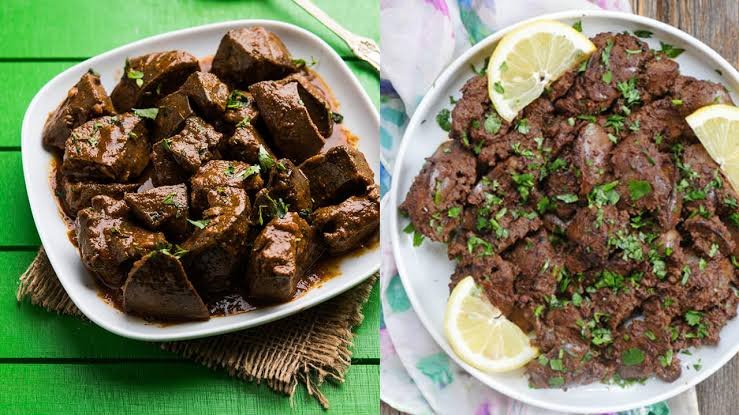
Liver has always held a special place among non vegetarian food lovers. Whether it is served as a spicy fry or a traditional liver curry, its unique taste makes it a popular choice across many households. But when people visit a meat shop, one common question often comes up: Is mutton liver better or chicken liver?
Both mutton liver and chicken liver are considered nutrient rich foods and provide essential proteins, vitamins and minerals. However, their nutritional values are slightly different, making one more suitable than the other depending on a person’s health goals, budget and dietary requirements.
For fitness enthusiasts, people trying to lose weight and those looking to improve their nutrition, choosing the right type of liver can make a difference. While mutton liver is often considered a premium option because of its price and taste, chicken liver also offers impressive health benefits at a more affordable cost.
Protein and Calorie Comparison
Protein plays a major role in muscle development, fitness and weight management. Both types of liver provide high quality protein, but there are small differences between them.
Around 100 grams of mutton liver contains approximately 26 grams of protein along with about 135 calories. It is a good option for people who want a stronger protein source and are focusing on muscle growth.
Chicken liver provides around 24 grams of protein per 100 grams and contains fewer calories, approximately 115 calories. It also has lower fat content, making it a suitable choice for those following a calorie controlled diet.
For people aiming for weight loss, chicken liver can be a practical and budget friendly option. Those looking for a slightly higher protein intake may prefer mutton liver.
Iron and Vitamin Benefits
Liver is widely known as an excellent source of iron, which is essential for producing healthy red blood cells and maintaining energy levels. People with iron deficiency often experience tiredness and weakness, and iron rich foods can support better nutrition.
Although both mutton and chicken liver contain good amounts of iron, mutton liver generally has a slightly higher iron content. This makes it a preferred choice for people looking to increase their iron intake through diet.
When it comes to vitamin content, mutton liver also has an advantage in vitamin A levels. Vitamin A supports eye health, immunity and skin maintenance.
Both liver varieties are rich in vitamin B12, which plays an important role in nerve health and red blood cell formation. A small serving of liver can provide more than the daily requirement of vitamin B12.
Price and Cooking Convenience
Apart from nutrition, cost and preparation time also influence people’s choices. Chicken liver is usually more affordable and easily available, making it a popular option among students, working professionals and families looking for economical sources of nutrition.
Chicken liver also cooks faster and becomes soft quickly. Mutton liver requires more attention while cooking, and improper preparation can make it harder in texture.
For those who want a quick and affordable meal, chicken liver may be more convenient. People who prefer richer taste and higher mineral content may choose mutton liver.
Eating in Moderation Is Important
Although liver is packed with nutrients, experts suggest avoiding excessive consumption. The organ contains high levels of vitamin A and cholesterol, and eating it too frequently may not be beneficial for everyone.
Including liver occasionally, such as once a week or a few times a month, is generally considered a more balanced approach. Regular daily consumption may increase the risk of excessive vitamin A intake.
Who Should Avoid Eating Liver?
Pregnant women are generally advised to avoid liver because it contains very high amounts of vitamin A. Excess vitamin A during pregnancy may negatively affect the development of the baby.
People suffering from gout should also be cautious. Liver contains high levels of purines, which can increase uric acid levels in the body and may worsen joint pain associated with gout.