Jiddu Krishnamurti’s View on True Love Beyond Attachment and Expectations
Jiddu Krishnamurti believed true love is not about possession or dependency but a state of freedom, understanding, and fearlessness where compassion exists without conditions or expectations.
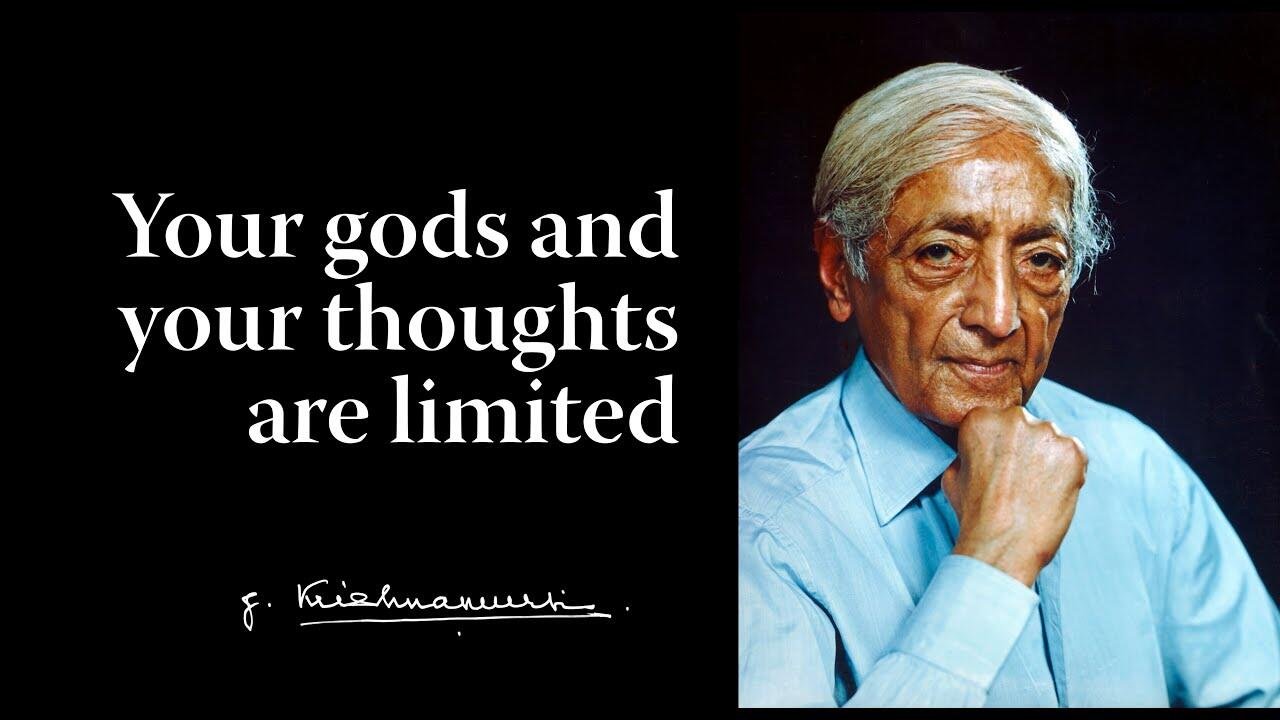
Love has always been one of the most discussed aspects of human life, with poets, philosophers, and thinkers offering different interpretations over centuries. However, Indian philosopher Jiddu Krishnamurti presented a unique perspective by describing love as something far beyond emotional attachment or personal relationships.
According to Krishnamurti, true love is a state of awareness where freedom, understanding, and selflessness come together. He believed that when love is mixed with fear, jealousy, control, or expectations, it loses its true meaning. His thoughts on love continue to remain relevant in modern relationships, where emotional dependence and insecurity often create conflicts.
One of Krishnamurti’s key ideas was that love should never become a form of ownership. He explained that the thought of someone belonging to us or trying to control another person’s choices does not represent genuine affection. For him, real love allows freedom and respects the individuality of the person we care about.
He also emphasized that fear and love cannot exist together. The fear of losing someone, the anxiety of rejection, constant doubts, and insecurity can slowly damage a relationship. Krishnamurti believed love is the complete opposite of fear because it allows people to connect without being controlled by worries or uncertainties.
Jealousy was another emotion that he considered harmful to love. While many people see jealousy as a natural expression of caring, Krishnamurti viewed it as a result of insecurity and fear. He explained that jealousy comes from the desire to possess someone rather than from genuine understanding and affection.
Krishnamurti also challenged the idea that emotional dependence is a sign of love. He believed that when a person completely relies on someone else for happiness, peace, or identity, it can eventually lead to disappointment and suffering. In a healthy form of love, both individuals remain independent while sharing a meaningful connection.
Another important aspect of his philosophy was that true love does not demand rewards. Expecting equal affection, constant attention, or specific actions in return can turn love into a transaction. Krishnamurti believed that genuine love flows naturally without conditions, calculations, or demands.
He often compared love to a flower that blooms naturally without needing a reason or purpose. Through this idea, he suggested that love should exist because of its own nature rather than because of what it can provide or achieve.
For Krishnamurti, love was not something that could be learned from books or taught by others. He believed love appears naturally when the mind becomes free from fear, anger, jealousy, and selfishness. According to him, inner transformation is the foundation for experiencing real love.
In today’s fast paced world, relationships are often influenced by expectations, insecurity, and attachment. Krishnamurti’s philosophy encourages people to look at love as a deeper state of consciousness rather than just an emotional bond. His teachings suggest that compassion, freedom, and understanding are essential elements of meaningful love.
Jiddu Krishnamurti was born on May 11, 1895, in Madanapalle, Andhra Pradesh, India, and passed away on February 17, 1986. As a philosopher, writer, and speaker, he explored subjects including human psychology, meditation, education, self awareness, and personal freedom. His central message focused on understanding oneself, as he believed true change begins from within.
Krishnamurti’s ideas about love continue to inspire people around the world. His message remains simple yet powerful: when the mind is free from fear and selfishness, love can exist in its purest form.