Does Rain Really Cause Hair Loss Experts Explain the Truth Behind the Common Myth
Rainwater alone does not cause hair loss but poor hair care after getting wet can increase scalp problems dandruff fungal infections and hair breakage during the rainy season.
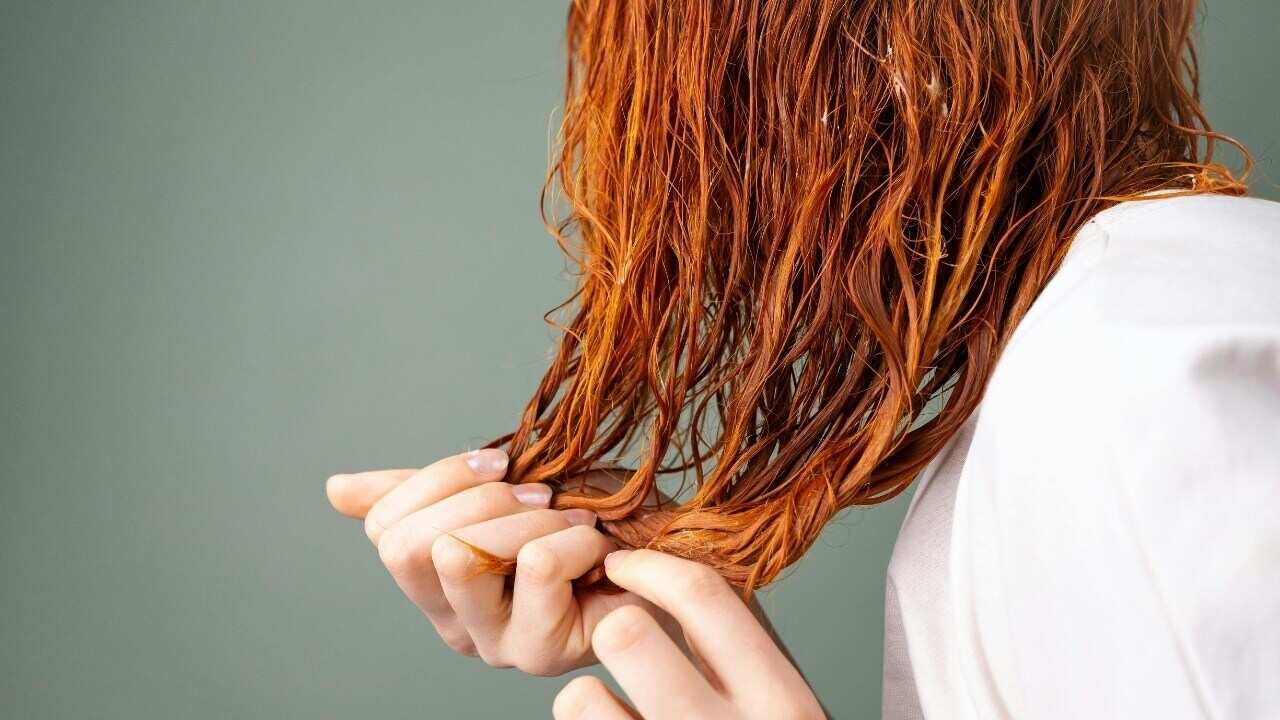
With the arrival of the rainy season, many people begin worrying that getting caught in the rain will automatically lead to excessive hair fall. This belief has been around for years, but dermatologists say the real issue is not the rain itself. Instead, the condition of the scalp after exposure to rainwater plays a much bigger role in maintaining healthy hair.
According to experts, rainwater alone does not directly cause hair loss. The problem usually begins when wet hair is left unattended for long periods or when the scalp is not cleaned properly after being exposed to rain. During the monsoon, high humidity slows down the drying process, creating an environment where dirt, pollution and moisture remain trapped on the scalp.
In urban areas, rainwater may also contain pollutants collected from the atmosphere. Smoke from vehicles, industrial emissions and airborne particles can mix with rainwater before it reaches the ground. When these substances remain on the scalp for an extended period, they may irritate the skin and disturb its natural balance.
Dermatologists explain that prolonged exposure to moisture can weaken the scalp’s protective barrier. This may increase the chances of itching, dandruff and fungal infections. A persistently damp scalp can also encourage the growth of bacteria and fungi, leading to irritation that may contribute to increased hair shedding over time.
The rainy season itself creates ideal conditions for scalp problems because humidity remains high throughout the day. Hair that stays wet for too long becomes more fragile and is more likely to break. While this breakage is often mistaken for hair loss, it is usually caused by weakened hair strands rather than damage to the hair roots.
Experts also warn against several common mistakes people make after getting drenched in the rain. Tying wet hair tightly can place unnecessary stress on already fragile strands. Brushing or combing soaked hair aggressively may also lead to breakage because wet hair is less resistant to pulling. Sleeping before the hair has dried completely is another habit that can keep the scalp damp for several hours, increasing the risk of fungal growth.
To reduce these risks, specialists recommend rinsing the hair with clean water as soon as possible after returning home. If the hair feels dirty or has been exposed to polluted rainwater, washing it with a mild sulfate free shampoo may help remove impurities. After washing, gently pat the hair dry with a soft towel instead of rubbing it vigorously, and allow it to dry completely before tying it or going to bed.
Using an umbrella or cap while outdoors can help reduce direct exposure to rain, especially in heavily polluted areas. Applying a leave in conditioner or hair serum may also provide a protective layer that helps reduce the effects of environmental pollution on the hair.
Experts emphasize that healthy hair during the rainy season depends more on proper hair care than on avoiding rain altogether. Keeping the scalp clean, drying the hair thoroughly and maintaining a consistent hair care routine can help minimize scalp problems and keep hair healthy throughout the monsoon.