Panchamrit Benefits A Traditional Superfood That Can Be Part of a Balanced Diet
Panchamrit combines milk curd honey ghee and natural sweeteners into a traditional mixture that offers nutrients energy and digestive support when enjoyed in moderation as part of a balanced diet.
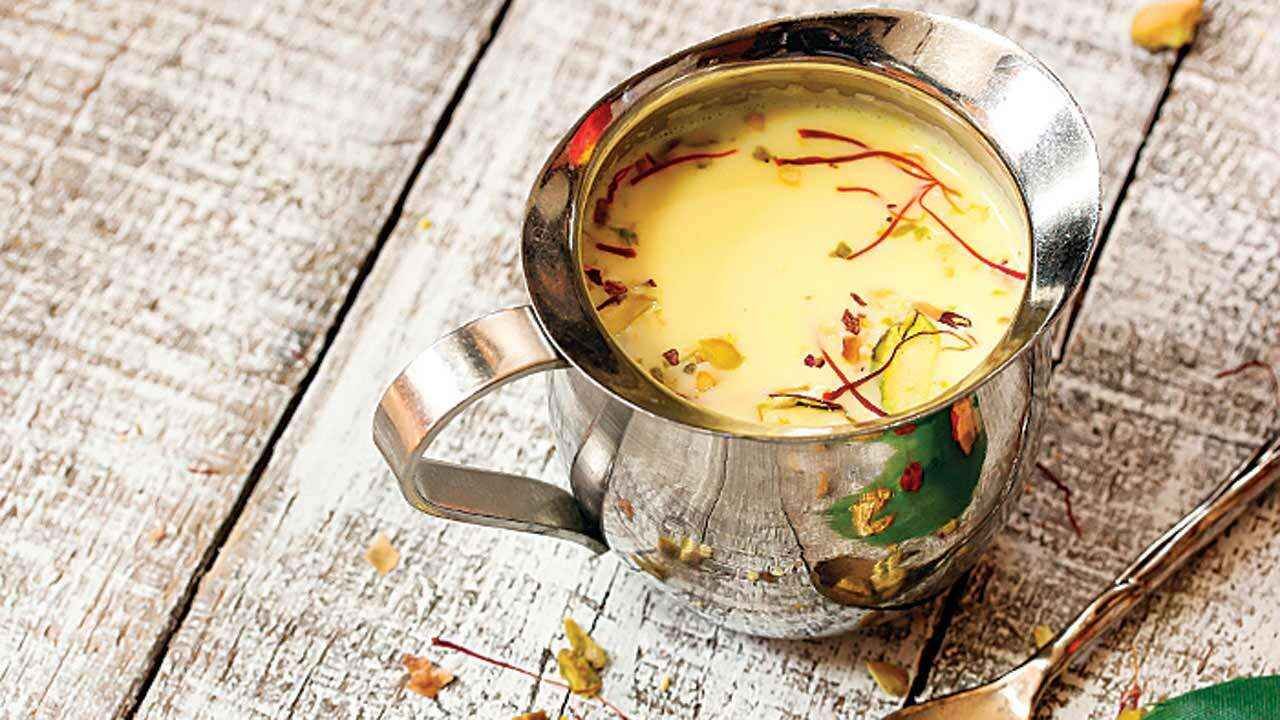
Traditional Indian recipes have long been valued not only for their taste but also for their nutritional benefits. One such preparation is Panchamrit, a mixture commonly prepared during festivals and religious ceremonies. Made with a combination of milk, curd, honey, ghee, and a natural sweetener, Panchamrit has been consumed for generations and is believed to provide nourishment and energy when eaten in moderation.
Many people consider Panchamrit a wholesome food because it combines several nutrient rich ingredients in a single serving. While it is often associated with religious rituals, nutrition experts note that its ingredients can also contribute to a balanced diet. However, claims that it provides extraordinary strength or cures diseases are not supported by scientific evidence.
The traditional recipe begins with half a cup of milk and half a cup of fresh curd. To this, one tablespoon each of ghee, honey, and either sugar or jaggery is added. The mixture is then stirred well until all the ingredients blend together into a smooth consistency.
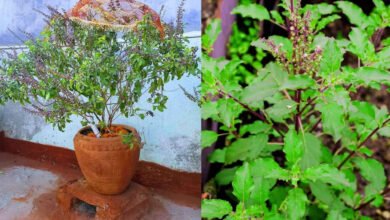
For added flavor and nutrition, many families include sliced banana pieces and a few fresh tulsi leaves. Bananas contribute natural carbohydrates, potassium, and dietary fiber, while tulsi is traditionally valued for its antioxidant properties. These additions also enhance the taste and texture of the preparation.
Each ingredient in Panchamrit offers its own nutritional value. Milk and curd provide protein and calcium that support bone health. Ghee contains healthy fats that supply energy when consumed in moderation. Honey and jaggery add natural sweetness and small amounts of antioxidants and minerals, although they also increase the sugar content of the dish.
Because Panchamrit contains honey, jaggery or sugar, people with diabetes or those monitoring their blood sugar levels should consume it cautiously and seek medical advice if necessary. It is also important to maintain portion control, as excessive intake of sweetened foods can increase overall calorie consumption.
Panchamrit can be enjoyed as a small morning serving or as part of festive meals. When combined with an overall healthy lifestyle that includes regular exercise, fresh fruits, vegetables, whole grains, and adequate hydration, it can be one of many nutritious traditional foods included in a balanced eating pattern.
Although traditional foods often carry stories of exceptional health benefits, they should not replace medical treatment or a well balanced diet. Enjoying Panchamrit in moderation while following healthy eating habits is a practical way to appreciate both its cultural significance and nutritional value.