
Anti Aging Drugs: Can Science Really Slow Down the Process of Growing Older
Researchers are exploring anti aging medicines that may improve healthy lifespan but experts warn that their safety and effectiveness for humans are still under investigation.
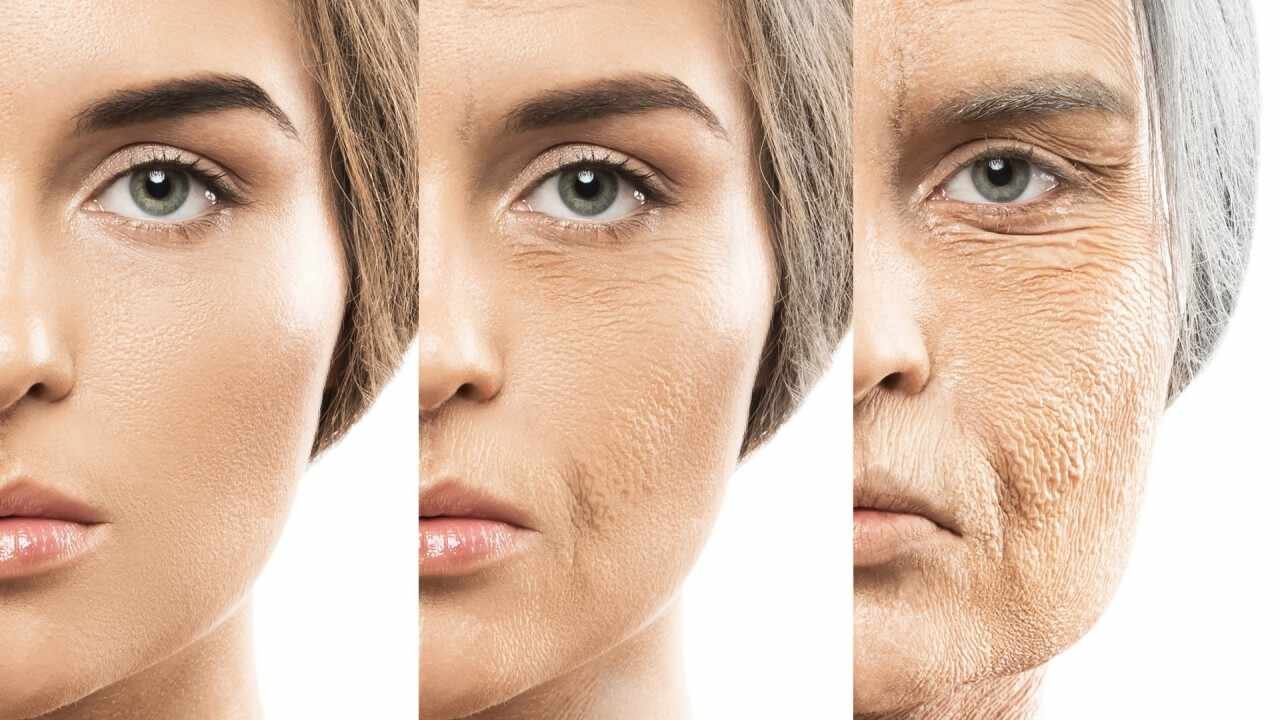
The idea of medicines that can slow down aging and help people live healthier lives for longer has created worldwide interest. Several studies are exploring whether certain drugs can reduce the risk of age related conditions such as heart disease, cancer and memory related disorders. However, experts say there is still no clear proof that these medicines can truly stop aging or are completely safe for widespread use.
Scientists explain that aging itself is not considered a disease. Instead, the biological changes that happen inside the body as people grow older can increase the chances of developing long term health problems. Because of this, researchers are focusing on ways to slow these changes and increase the number of years people can live in good health. This approach is often described as improving healthspan, meaning extending healthy years rather than simply increasing lifespan.
Several medicines and natural compounds are currently being studied for their possible role in aging research. Drugs such as metformin, rapamycin, quercetin and dasatinib have shown some promising results in laboratory and animal studies. Research has suggested that these compounds may influence aging related processes and improve certain physical functions. However, large scale human clinical trials are still underway, and these substances have not yet been approved as universal anti aging treatments.
Medical experts strongly advise people not to use such medicines without professional guidance. Many of these drugs were originally developed for treating conditions such as diabetes and cancer, and their effects on healthy people who want to slow aging are still being studied. Unsupervised use could lead to side effects, drug interactions or possible effects on organs such as the liver and kidneys.
The growing popularity of anti aging supplements and products has also raised concerns among health professionals. Many products available in the market make attractive claims about reversing aging or improving longevity, but scientific evidence supporting these claims is not always strong. Experts recommend checking medical information carefully rather than relying only on advertisements or online trends.
At present, doctors continue to emphasize that healthy lifestyle choices remain the most reliable way to support healthy aging. A balanced diet, regular physical activity, quality sleep, stress management, avoiding smoking and excessive alcohol consumption, along with routine health checkups, can play an important role in maintaining overall wellbeing.
Scientists believe future research may provide clearer answers about the potential benefits and risks of anti aging treatments. Until stronger evidence is available, experts say the focus should remain on proven health habits rather than unverified solutions that promise to stop aging.