Green Potatoes May Not Be Safe to Eat Here Is What You Should Know
Green potatoes may contain higher levels of natural toxins making proper storage careful selection and safe handling essential to reduce potential health risks and maintain food quality at home
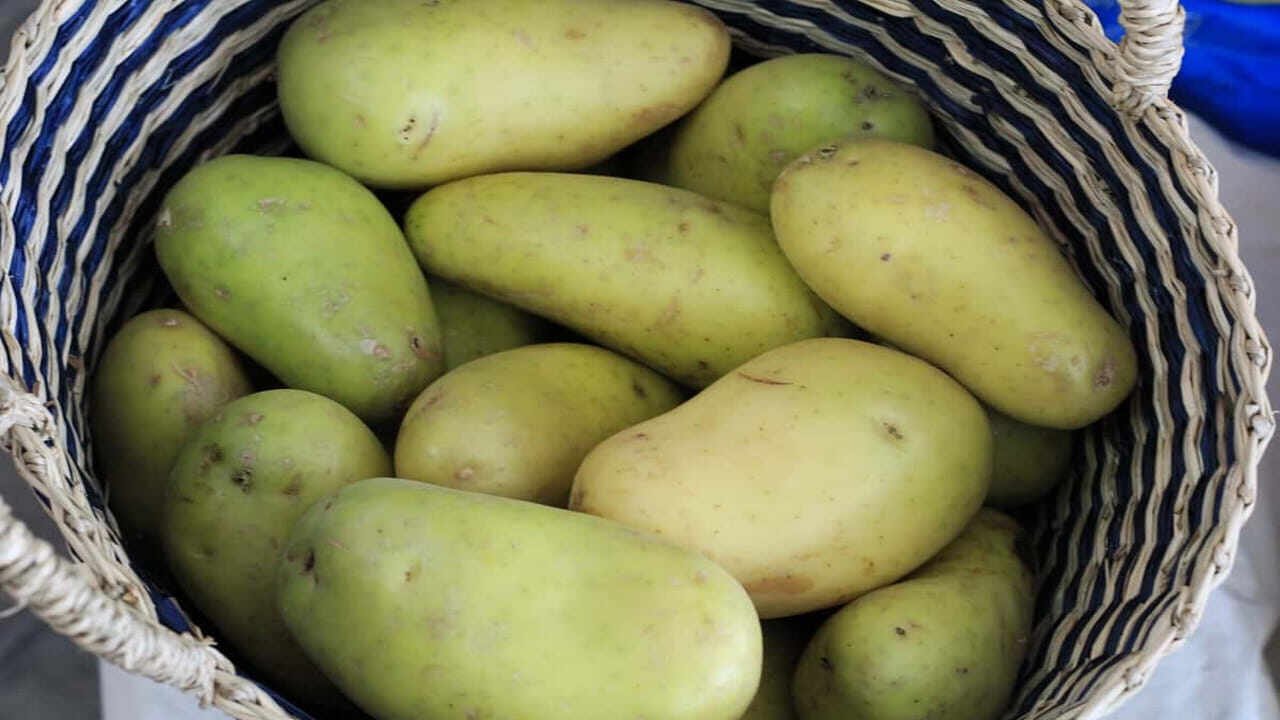
Potatoes are one of the most widely used vegetables in kitchens around the world. They are a key ingredient in curries, soups, snacks, mashed dishes and many other recipes. However, many people notice that potatoes stored for several days sometimes develop a green color. While this change may appear harmless, health experts say it should not be ignored without checking the condition of the vegetable.
The green color itself is caused by chlorophyll, which forms when potatoes are exposed to sunlight or strong artificial light for extended periods. Chlorophyll is not harmful to humans, but its appearance often signals that the potato may also contain increased levels of solanine, a naturally occurring toxic compound that develops under the same conditions.
Solanine is a natural defense chemical produced by potatoes to protect themselves from pests and disease. When present in high amounts, it can cause unpleasant health effects if consumed. This is why experts recommend paying close attention to potatoes that have turned green instead of assuming the color change is only cosmetic.
Eating potatoes with high solanine levels may lead to symptoms such as nausea, vomiting, stomach pain, diarrhea, dizziness, headaches and general weakness. In rare cases, consuming large quantities may affect the nervous system. Children, older adults and people with weakened immune systems may be more vulnerable to these effects.
If only a small portion of the potato has turned green, experts say the affected area can be removed by peeling away a thick layer along with the surrounding flesh. The remaining portion may still be suitable for cooking. However, this should only be done when the green area is limited and the potato remains firm and fresh.
There are situations where a potato should be discarded completely instead of being used. If most of the surface has turned green, if it has developed numerous sprouts, if it tastes bitter or has an unusual smell, or if it has become soft, wrinkled or shows signs of rotting, it is safer to throw it away rather than risk consuming it.
Proper storage plays a major role in preventing potatoes from turning green. Food experts recommend keeping potatoes in a cool, dry and dark place where they are protected from direct sunlight. Good air circulation is equally important, so storing them in a basket, paper bag or another breathable container is a better choice than sealing them inside plastic bags.
Potatoes should also be stored separately from onions. The gases released by onions can speed up spoilage and encourage sprouting in potatoes. Although refrigeration may seem like a good way to extend freshness, storing potatoes in very cold temperatures for long periods is generally not recommended because the starch inside the potato can convert into sugar, affecting both taste and cooking quality.
When buying potatoes, selecting the right ones can help avoid problems later. Choose potatoes that are firm, smooth and free from green patches or excessive sprouts. Avoid those that feel soft, have wrinkled skin or show signs of decay, as these may spoil quickly or be unsuitable for consumption.
Small sprouts can usually be removed before cooking, provided the potato is still firm and otherwise healthy. However, potatoes with large numbers of sprouts or those that have become shriveled should not be used. Taking a few extra moments to inspect stored potatoes can prevent unnecessary food waste while protecting your health.
Although potatoes remain an important part of a balanced diet and provide valuable nutrients, safe storage and careful handling are essential. Health experts emphasize that paying attention to color changes, sprouting and overall quality can help reduce the risk of consuming harmful compounds. A simple visual inspection before cooking can make a significant difference in ensuring food safety for the entire family.