
Why Tissue Papers Are Mostly White and The Science Behind It
From manufacturing methods to hygiene concerns, several factors including safety, cost efficiency and environmental benefits explain why tissues are mainly produced white.
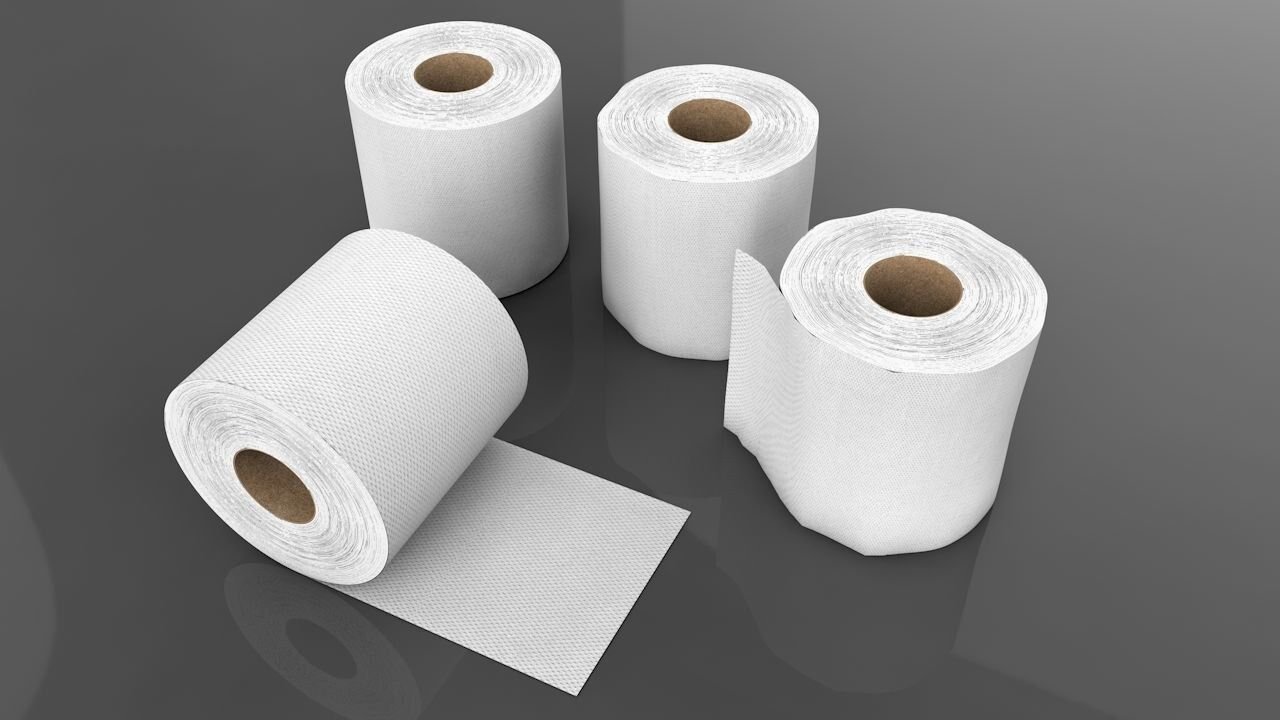
Tissue paper is a common part of everyday life, used for cleaning hands, wiping faces, removing makeup and keeping surfaces free from dust and stains. Whether at homes, restaurants, offices or hotels, most tissues available around us are white in colour. The reason behind this common appearance is linked to science, manufacturing practices and consumer preferences.
The main material used to produce tissue paper is wood pulp. Naturally, wood has a brown colour because of a substance called lignin. During production, manufacturers remove lignin and process the pulp through bleaching, which turns it white. Since additional colours are usually not added after this process, the final tissue paper remains naturally white.
One important reason for avoiding coloured tissues is health safety. Producing colourful tissues requires artificial dyes and additional chemicals. These substances may cause skin irritation or allergic reactions for some people, especially those with sensitive skin. White tissues generally require fewer added chemicals, making them a preferred choice for regular use.
Another advantage of white tissues is their ability to break down more easily. Since they contain fewer artificial colouring agents, they can dissolve faster and create fewer complications during waste management. This also makes them a more environmentally friendly option compared to heavily coloured alternatives.
Environmental concerns also play a role in their popularity. Chemical dyes used in coloured tissues may affect soil and water quality after disposal. Reducing the use of such additives helps lower the potential impact on the environment.
Cost is another major factor behind the widespread use of white tissue paper. Tissue products are manufactured in large quantities, and adding colours would increase production expenses. By keeping the process simple, manufacturers can produce tissues at a lower cost and offer them at affordable prices.
The colour white is also strongly associated with cleanliness and hygiene. Since tissues are used for personal care and cleaning purposes, their white appearance gives users a sense of freshness and purity.
The popularity of white tissue paper is therefore not just a matter of appearance. Manufacturing convenience, lower chemical use, affordability, environmental considerations and the connection with hygiene have all contributed to making white tissues the standard choice worldwide.