Simple Ways to Clean Grapes Properly Before Eating
Experts suggest washing grapes carefully as pesticide residues, dirt and germs may remain on the surface despite regular rinsing with water alone.
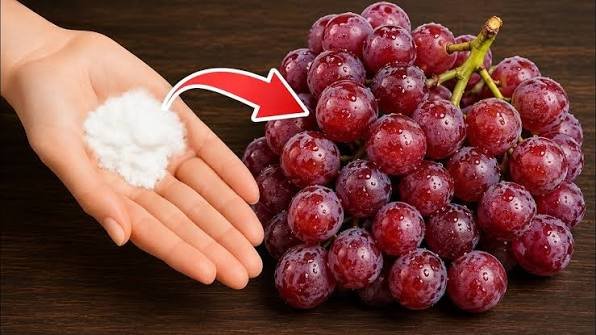
Grapes are among the most popular fruits enjoyed by people of all age groups because of their sweet taste and nutritional benefits. Rich in vitamins, minerals and antioxidants, they are considered a healthy addition to daily diets. However, experts suggest that grapes should not be consumed immediately after a simple water wash.
Agricultural practices often involve the use of pesticides and chemicals to protect grape crops from insects and fungal infections. Since grapes grow in clusters and have a delicate outer surface, chemical residues and dirt may remain even after a quick rinse.
To reduce possible contamination, health experts recommend cleaning grapes properly before eating. Different household methods, including salt water, baking soda and white vinegar solutions, can help remove surface impurities and some chemical residues.
Grapes are more vulnerable to pests and fungal attacks compared to some other fruits, which is why farmers may need to spray pesticides multiple times during cultivation. These substances can leave traces on the fruit surface if not washed properly.
One simple method is to soak grapes in salt water. A teaspoon of salt can be mixed in a bowl of water, and the grapes can be kept in the solution for around 15 to 20 minutes. After soaking, they should be washed again with clean water. This method may help reduce dirt and some microorganisms present on the surface.
Another commonly used technique involves baking soda. Half a teaspoon of baking soda can be mixed with water, and grapes can be soaked in it for about 15 minutes before being rinsed thoroughly. This process may help remove certain pesticide residues from the outer layer of the fruit.
White vinegar can also be used for cleaning grapes. Adding a small amount of white vinegar to water and soaking grapes for 10 to 15 minutes may help reduce surface dirt and germs. The grapes should be washed properly with fresh water after this process.
Proper drying after washing is equally important. Grapes should be spread on a clean cotton cloth or tissue paper and allowed to dry completely before being stored in the refrigerator. Keeping wet grapes inside the fridge can increase the chances of spoilage.
Cleaning grapes carefully before consumption can help reduce unwanted dirt, microorganisms and possible chemical residues. Following a proper washing routine allows people to enjoy the fruit while taking better care of their health.