
Best Direction to Keep a Hibiscus Plant at Home According to Vastu for Wealth and Positive Energy
Keeping a hibiscus plant in the right direction at home is believed to attract positive energy improve harmony support prosperity and enhance the spiritual atmosphere according to traditional Vastu principles.
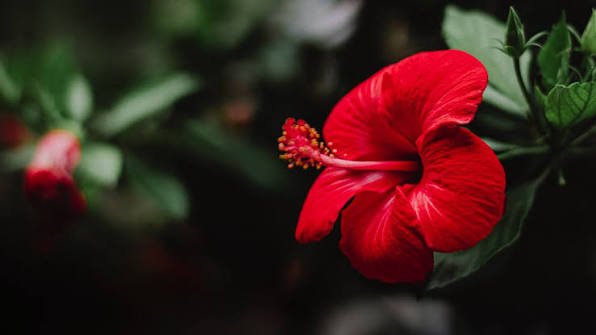
The hibiscus plant is valued not only for its vibrant flowers but also for its spiritual and cultural significance in many Indian homes. According to Vastu principles, placing this plant in the correct location is believed to invite positive energy, improve family harmony and create an environment that supports prosperity. Many people grow hibiscus for its beauty, but traditional beliefs also connect it with good fortune and divine blessings.
Vastu experts suggest that the east is the most suitable direction for planting a hibiscus. Since the east is associated with the rising sun, placing the plant here is believed to strengthen positive vibrations and bring recognition, confidence and success to the members of the household. If the eastern side is unavailable, the northeast corner is considered another favourable option. However, it is generally advised to avoid keeping the plant in the south or west direction.
The red hibiscus flower holds a special place in Hindu traditions and is commonly offered during prayers dedicated to Goddess Lakshmi, Goddess Kali and Lord Ganesha. Because of this religious significance, many families believe that nurturing a healthy hibiscus plant at home can create a spiritually uplifting atmosphere while encouraging peace and stability.
Another widely shared belief is that a properly placed hibiscus plant can help reduce financial difficulties by attracting positive energy into the house. It is also said to encourage smoother progress in pending work and bring fresh opportunities. While these beliefs are rooted in traditional practices rather than scientific evidence, they continue to be followed by many households.
Vastu also links the hibiscus plant with the Sun. People who believe they have an unfavourable Sun position in their horoscope often keep the plant in the eastern part of the house and offer water to the Sun as part of their daily prayers. According to these traditions, this practice may help strengthen confidence, improve mental clarity and bring greater stability to life.
Apart from spiritual beliefs, a healthy hibiscus plant also adds natural beauty to balconies, gardens and courtyards. Its bright flowers create a pleasant atmosphere while fresh greenery can make living spaces feel more vibrant and welcoming. Caring for plants regularly also encourages a closer connection with nature.
Proper maintenance is considered important if you keep a hibiscus plant at home. The plant should be watered regularly and protected from drying out. Dead leaves, damaged branches and dried flowers should be removed from time to time so that the plant remains healthy. Traditional Vastu beliefs suggest that a flourishing plant symbolizes positive energy, while a neglected one may not provide the same benefits.
Although these recommendations are based on cultural and Vastu traditions, many people continue to follow them as part of their daily lifestyle. Whether grown for its colourful blooms, religious importance or traditional beliefs about prosperity, the hibiscus remains one of the most cherished plants in Indian homes.