
Vitamin D Deficiency May Affect Heart Health Experts Explain the Warning Signs
Health experts say low vitamin D levels may influence heart health while also weakening bones and muscles making early detection balanced nutrition and proper medical guidance increasingly important today.
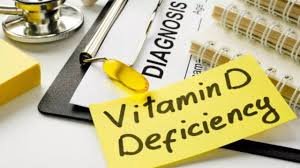
Vitamin D is widely known for keeping bones and muscles strong, but doctors say its role goes far beyond maintaining skeletal health. Recent medical findings suggest that low vitamin D levels may also be linked to poor heart health, making it an important nutrient that should not be overlooked. As modern lifestyles keep more people indoors, vitamin D deficiency has become increasingly common across different age groups.
Many people spend most of their day inside homes or offices, leaving little opportunity for natural sunlight exposure. Combined with poor dietary habits, this has contributed to declining vitamin D levels in a large section of the population. In many cases, the deficiency remains unnoticed until routine blood tests reveal it or physical symptoms begin to appear.
According to researchers, vitamin D plays an important role in several functions related to the heart and blood vessels. Studies have found an association between low vitamin D levels and a higher risk of cardiovascular disease. However, medical experts also emphasize that vitamin D deficiency alone should not be considered a direct cause of heart attacks or heart disease. Conditions such as high blood pressure, diabetes, obesity, smoking and unhealthy lifestyle habits remain major contributors to cardiovascular problems.
Doctors encourage people to pay attention to common signs that may indicate vitamin D deficiency. Persistent fatigue is one of the most frequently reported symptoms. Some individuals may also experience muscle weakness, muscle pain, bone discomfort, lower back pain or repeated illnesses due to reduced immune function. Mood changes and difficulty with physical activities, including walking in severe cases, may also develop. Since early vitamin D deficiency often produces no obvious symptoms, blood testing may be necessary if a doctor suspects low levels.
Maintaining healthy vitamin D levels usually begins with simple lifestyle changes. Spending a short period outdoors in gentle morning sunlight allows the body to naturally produce vitamin D. Nutrition also plays an important role. Foods such as fatty fish, egg yolks, fortified milk and fortified cereals can help increase vitamin D intake as part of a balanced diet.
Healthcare professionals advise against taking vitamin D supplements without proper medical guidance. Excessive supplementation can also create health problems, so treatment should always be based on blood test results and a doctor’s recommendation. If a deficiency is confirmed, physicians can determine the correct dosage and duration needed for safe recovery.
Experts stress that vitamin D should be viewed as one part of overall heart and body health rather than a single solution. Maintaining a healthy weight, exercising regularly, eating a balanced diet, avoiding tobacco and managing conditions such as diabetes and high blood pressure remain essential for protecting the heart. Paying attention to vitamin D levels is another important step that can support long term wellness when combined with a healthy lifestyle and regular medical care.