Spending More Than 10 Minutes on the Toilet Could Increase Health Risks Experts Warn
Doctors warn that sitting on the toilet for extended periods while using mobile phones may increase the risk of piles digestive issues and weakened pelvic muscles over time.
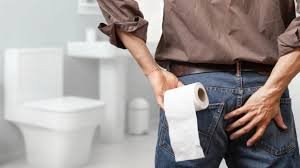
Many people begin their day by taking their smartphones or newspapers into the bathroom. What starts as a quick visit often turns into 15 or even 20 minutes of scrolling through social media, reading messages or watching videos. Health experts, however, say this seemingly harmless habit can have serious consequences if it becomes part of a daily routine.
Doctors advise that a toilet visit should ideally be completed within five to ten minutes. Spending longer than that on the toilet seat can place unnecessary pressure on the veins around the rectum, increasing the likelihood of developing piles, also known as hemorrhoids. Medical specialists explain that the sitting position on a toilet places greater strain on this area than sitting on a regular chair, making prolonged sessions particularly harmful.
One of the biggest concerns is the increased risk of swollen veins around the anus. As blood continues to collect in the lower part of the body during extended sitting, pressure builds up in the rectal veins. Over time, this may lead to painful hemorrhoids, causing discomfort, bleeding during bowel movements and difficulty sitting comfortably.
Experts also point out that prolonged toilet sessions can weaken the pelvic floor muscles. These muscles play an important role in supporting the bladder and bowel. If they lose strength over time, a person may face problems with bowel or bladder control later in life. Individuals who frequently strain during bowel movements because of constipation are at even greater risk, as excessive pressure can damage the surrounding tissues and make existing problems worse.
Another issue is the effect on digestion. When people focus on their phones instead of completing their bowel movement naturally, the body’s normal digestive rhythm can be disrupted. The natural contractions of the intestines that help move waste through the digestive tract may slow down, leaving stool in the bowel for longer than necessary. This can contribute to bloating, gas, acidity and an uncomfortable feeling of incomplete bowel emptying.
Modern lifestyles have changed bathroom habits significantly. Many people now treat the toilet as a quiet place to browse social media, reply to messages or catch up on the latest news. While this may seem relaxing, doctors say it encourages people to remain seated much longer than their body actually requires, increasing pressure on the lower digestive system with every extra minute.
Medical professionals recommend avoiding mobile phones, tablets, books or any other distractions while using the toilet. Instead, focus on completing the bowel movement naturally and leave the bathroom once finished. If bowel movements regularly take longer than ten minutes or require repeated straining, it may be a sign of constipation or another digestive issue that deserves medical attention rather than spending more time on the toilet.
Simple lifestyle changes can also improve bowel health. Drinking enough water, eating a fiber rich diet, exercising regularly and responding promptly to the natural urge to use the toilet can help maintain healthy digestion and reduce the need for prolonged sitting.
Although checking your phone during a bathroom break may feel harmless, experts say this daily habit can quietly affect your health over time. Keeping toilet visits short and avoiding unnecessary distractions may help reduce the risk of piles, support healthy digestion and protect pelvic floor function in the long run.