Pre Marriage Health Tests Every Couple Should Do Before Marriage to Avoid Future Complications
Doctors recommend essential medical screenings before marriage to ensure couples understand their health status including genetic risks infections fertility factors and blood compatibility for a safer and healthier married life ahead
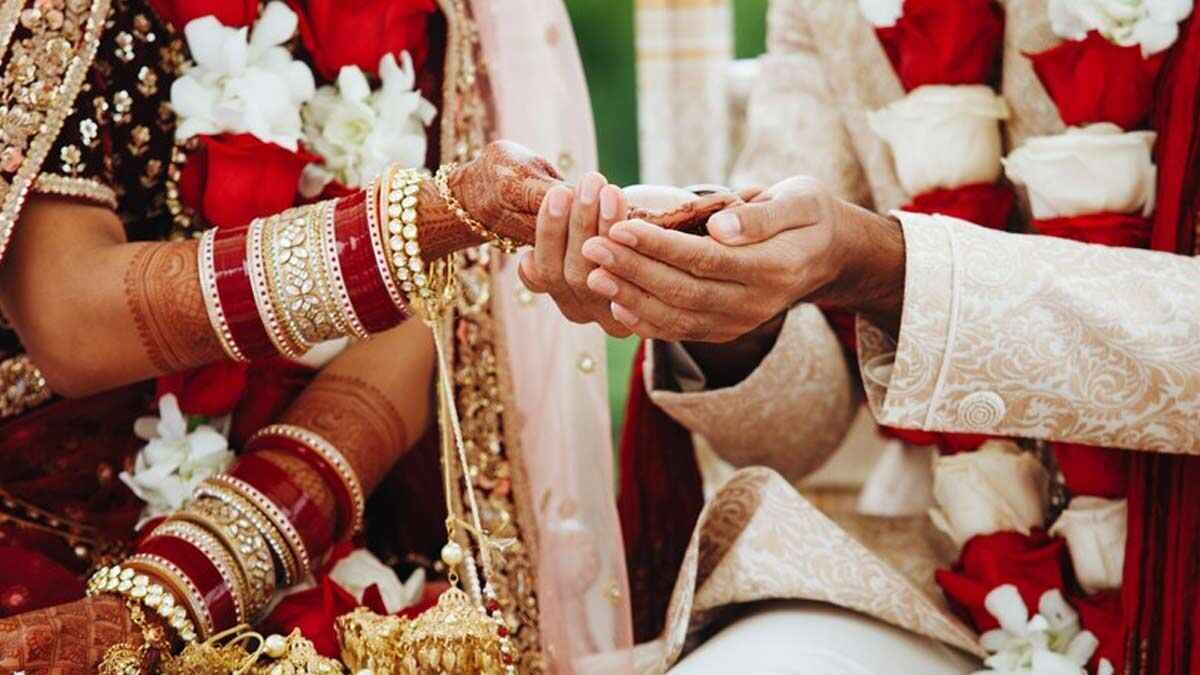
Marriage is often seen as one of the most important milestones in life, especially in traditional societies where families carefully consider compatibility, background, and long standing customs like horoscope matching. While these cultural practices continue to hold value, modern healthcare experts are now stressing that medical compatibility is equally important before entering into a lifelong partnership. Understanding each other’s health condition early can prevent unexpected complications later in life.
In many cases, certain health conditions remain hidden without clear symptoms and may only surface after marriage. These conditions can sometimes affect both partners or even future children. That is why doctors emphasize the importance of pre marriage health screening. The main goal is not to create fear or doubt, but to ensure transparency and awareness between couples so that they can begin their married life with clarity and confidence.
One of the first and most important tests is blood group and Rh factor compatibility. This helps doctors identify potential risks during future pregnancies. For example, if the female partner has Rh negative blood and the male partner has Rh positive, special medical monitoring may be required during pregnancy to avoid complications.
Another crucial screening is thalassemia testing. This is a genetic blood disorder that can be passed from parents to children. If both partners carry the thalassemia trait, there is a higher chance of the child being affected. A simple blood test can identify whether a person is a carrier, allowing couples to seek genetic counselling in advance and make informed decisions.
Health experts also strongly recommend screening for sexually transmitted infections. Many of these infections may not show visible symptoms for a long time but can still be present in the body. Early detection before marriage helps in timely treatment and reduces the risk of transmission between partners, ensuring a healthier start to married life.
HIV testing is another essential part of pre marriage health checks. The purpose of this test is to provide accurate health information to both partners so that proper medical care can be taken if required. With advances in medicine, individuals living with HIV can lead long and healthy lives, but early diagnosis remains extremely important for effective management.
Fertility and general health evaluations also play a supportive role in pre marriage planning. These include basic tests for blood sugar, thyroid levels, hemoglobin, liver function, and kidney health. Such assessments help detect underlying conditions that may affect overall wellbeing or future pregnancy planning. However, the decision to undergo fertility related tests should always be taken based on personal circumstances and medical advice.
Experts believe that combining traditional customs with modern medical awareness creates a stronger foundation for marriage. Pre marriage health tests are not about questioning relationships but about building trust, safety, and a healthier future together.