Why You Should Never Throw Away Jamun Seeds
Jamun seeds are packed with natural compounds that may support blood sugar management, digestion, liver health, and heart wellness, making them one of summer’s most overlooked nutritional treasures.
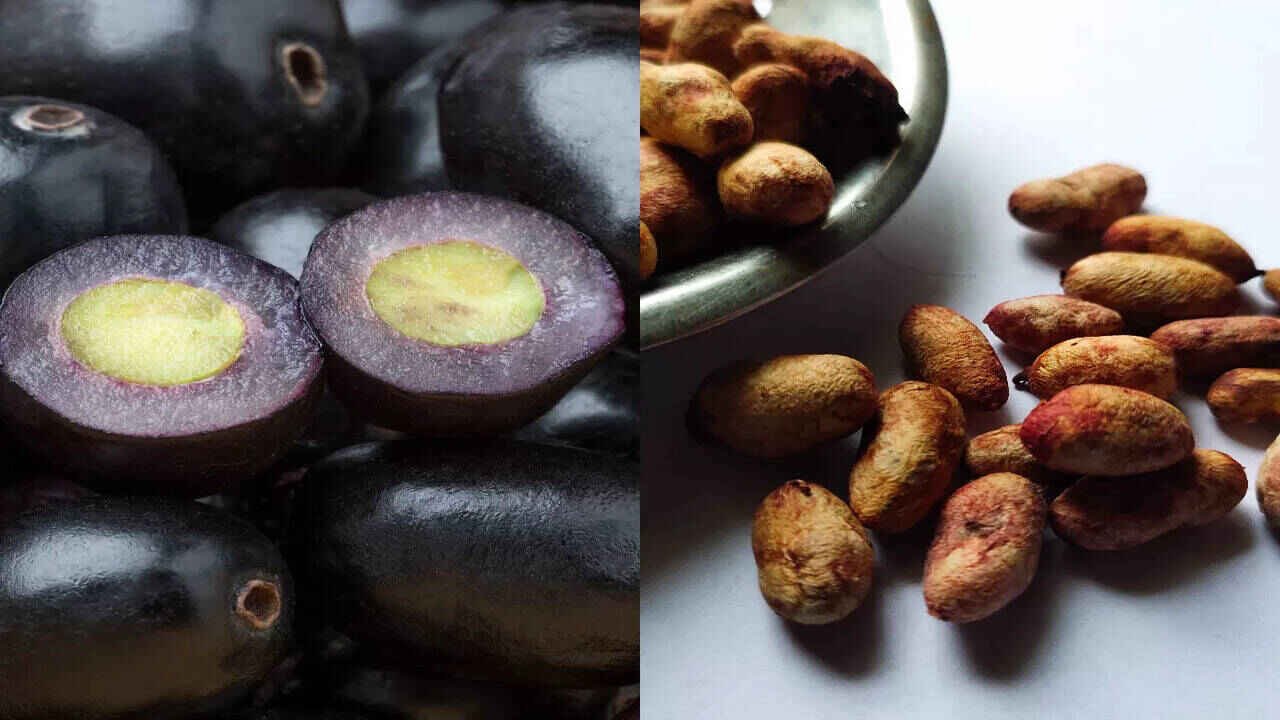
Every summer, people eagerly enjoy juicy jamun fruits for their unique sweet and tangy flavor. While the fruit itself is widely appreciated for its health benefits, the seeds are often discarded without a second thought. Health experts and traditional wellness practices suggest that this may be a missed opportunity, as jamun seeds contain several valuable nutrients and bioactive compounds that can support overall wellbeing.
For generations, jamun seed powder has been used in traditional health remedies. Once the seeds are cleaned, dried, and ground into a fine powder, they can become a useful addition to a balanced diet. Researchers and nutrition enthusiasts continue to explore the potential benefits of these seeds, particularly for people looking to improve metabolic and digestive health.
One of the most talked about benefits of jamun seed powder is its role in supporting healthy blood sugar levels. The seeds contain naturally occurring compounds such as jamboline and jambosine, which are believed to help slow the conversion of starch into sugar. Because of this, jamun seed powder has long been associated with blood sugar management and is often recommended in traditional wellness practices for individuals seeking better glucose control.
Digestive health is another area where jamun seeds may offer support. The seeds are rich in dietary fiber, which can help promote smoother digestion and support regular bowel movements. People dealing with occasional digestive discomfort, bloating, or constipation may find that including jamun seed powder as part of a healthy lifestyle helps improve gut function and overall digestive comfort.
Experts also point to the antioxidant content found in jamun seeds. Antioxidants help the body combat free radicals that can contribute to cellular damage. These protective compounds may support liver health by assisting the body in managing toxins and maintaining normal liver function. A healthy liver plays a crucial role in metabolism, digestion, and overall wellness.
Heart health may also benefit from the nutritional properties of jamun seeds. Certain antioxidant compounds, including ellagic acid, are believed to support healthy blood vessels and help maintain normal blood pressure levels. By promoting better circulation and reducing oxidative stress, these compounds may contribute to long term cardiovascular wellbeing.
Another interesting advantage of jamun seed powder is its potential role in supporting clearer and healthier skin. Traditional health practitioners believe that it helps purify the blood, which may contribute to a reduction in skin blemishes and support a naturally healthy complexion. While skincare results vary from person to person, many people include jamun seed powder in their wellness routines for this reason.
Preparing jamun seed powder at home is relatively simple. The seeds should be washed thoroughly, dried completely in sunlight, and then ground into a fine powder. Many people mix a teaspoon of the powder with lukewarm water and consume it in the morning as part of their daily routine.
However, health experts advise caution for individuals who are already taking medication for diabetes or other chronic conditions. Since jamun seed powder may influence blood sugar levels, consulting a healthcare professional before adding it to a daily regimen is always recommended.
What many people see as waste could actually be one of the most valuable parts of the fruit. With its rich nutritional profile and long standing reputation in traditional wellness practices, jamun seed powder is gaining attention as a simple and natural way to support overall health. Instead of throwing those seeds away this summer, it may be worth taking a closer look at the benefits they have to offer.