Ragi and Fenugreek Breakfast for Blood Sugar Support
Ragi and fenugreek make a fibre rich breakfast option that may support balanced eating for people managing blood sugar, while also providing useful nutrients for daily energy.
For people managing diabetes, everyday food choices can make a significant difference. Ragi and fenugreek are two traditional ingredients often included in Indian diets, and combining them can create a simple breakfast or evening snack with good nutritional value.
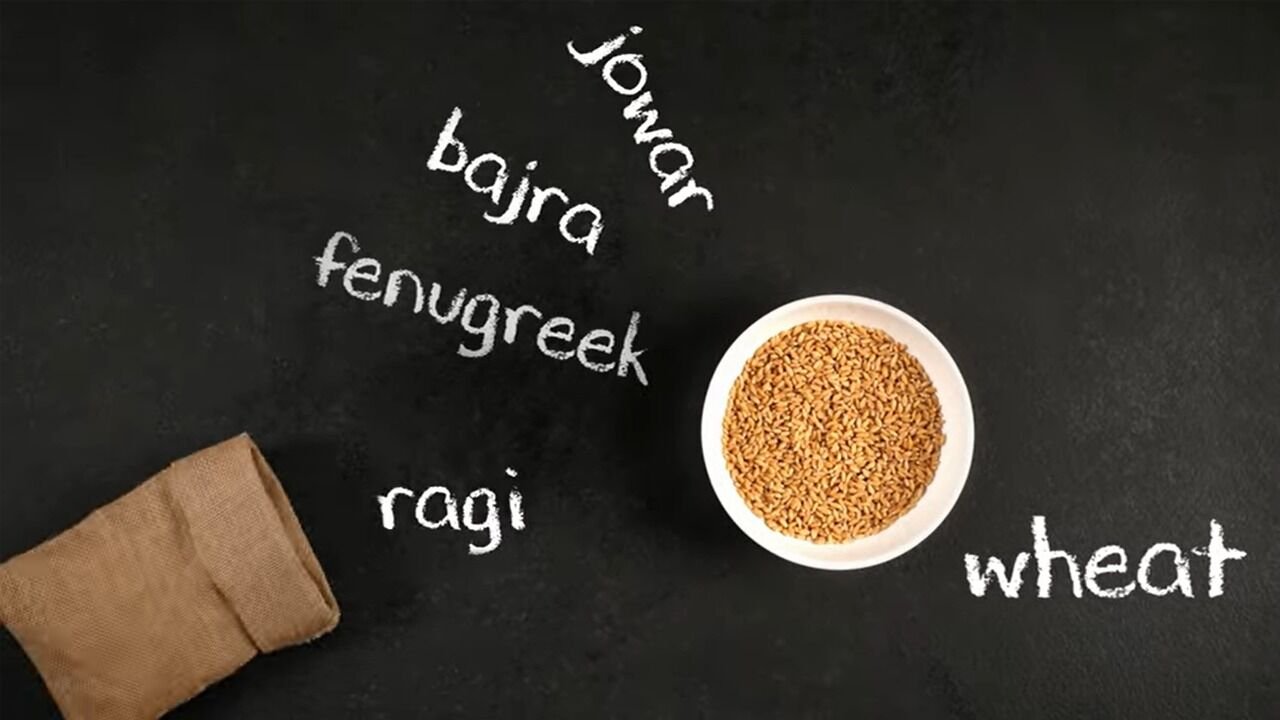
The suggested preparation begins with about 100 grams of ragi and one teaspoon of fenugreek seeds. Both ingredients should be cleaned and soaked in sufficient water for around eight hours. The next day, the water can be drained and the mixture wrapped in a clean cotton cloth. It can then be kept for about a day until the grains begin to sprout.
Instead of eating the sprouts raw, steaming them for a few minutes is a more cautious approach because raw sprouts can sometimes carry harmful microorganisms. Once steamed, the mixture can be allowed to cool slightly before serving.
A little salt can be added for taste. Those looking for more flavour can combine the cooked ragi and fenugreek with grated carrot, cucumber pieces or fresh coconut. It can be eaten as a breakfast dish or used as a light snack later in the day.
Ragi is naturally rich in dietary fibre and also provides nutrients such as calcium and iron. Fibre can help make meals more filling and can contribute to better overall blood glucose management when included as part of a balanced diet. However, ragi itself is not a treatment for diabetes, and portion size remains important because it still contains carbohydrates.
Fenugreek has also attracted attention for its possible role in blood sugar management. Some studies suggest that fenugreek may have beneficial effects on glucose levels, but the evidence is not strong enough to consider it a replacement for prescribed diabetes treatment. Anyone taking medicines for diabetes should be particularly careful about making major dietary changes.
Burning sensations in the feet are sometimes associated with diabetic nerve damage, but they can have several other causes as well. A nutritious meal may support overall health, but ragi and fenugreek should not be presented as a cure for foot burning or nerve problems. Persistent burning, numbness or pain should be discussed with a healthcare professional.
The combination can also be adapted for children and other family members as part of a varied diet. For children, fresh fruit such as apple pieces or pomegranate seeds can be added for additional flavour and nutrition.
For people with diabetes, the larger picture matters more than one particular food. Regular meals, suitable portions, physical activity, prescribed medicines and monitoring of blood glucose all play a role in diabetes management.
Ragi and fenugreek can therefore be included as a wholesome food combination, but they should be viewed as part of a balanced diet rather than as an instant remedy for high blood sugar, fatigue or burning feet.