
Castor Leaves and Their Traditional Health Uses
Castor leaves have long been used in traditional home remedies for swelling, joint discomfort and minor skin problems, with several simple applications still followed in households today.
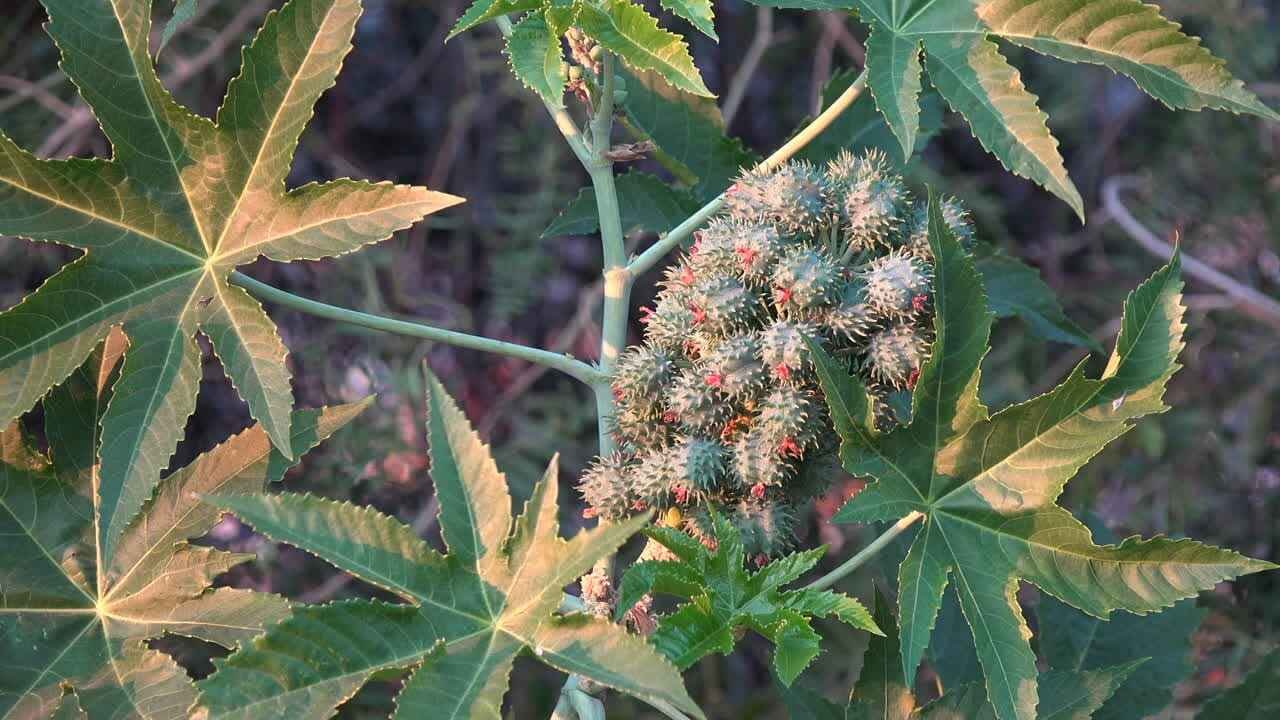
Castor leaves are usually associated with castor oil, but the leaves themselves have also found a place in traditional household remedies. For generations, people have used them in different ways, particularly when dealing with joint discomfort, swelling and minor injuries.
One of the commonly mentioned uses is for knee pain and joint swelling. This traditional remedy involves warming mustard oil and allowing it to cool slightly before dipping a clean castor leaf into the oil. The warm leaf is then placed over the uncomfortable area and covered with a clean cloth. The warmth and gentle application are traditionally believed to provide temporary comfort.
Castor leaves are also used in some traditional preparations for minor wounds and skin discomfort. For a small injury, crushed leaves may be used as part of a household remedy. Some traditional practices involve preparing a paste from the leaves and combining it with coconut oil before applying it to the affected area. However, wounds should always be cleaned properly, and deeper or serious injuries need appropriate medical care rather than relying on home remedies.
Another traditional use involves preparing an infused oil for scalp massage. Chopped castor leaves are cooked in coconut oil, allowing the plant material to release its natural compounds into the oil. After cooling and filtering, the oil is traditionally massaged onto the scalp. Some people use this practice as part of a relaxing bedtime routine, although claims that it directly treats anxiety or sleep problems are not well established by clinical evidence.
Castor leaves are also traditionally mentioned in remedies for gout related discomfort. Gout is associated with excess uric acid and can cause sudden pain and swelling, particularly around the joints. Traditional preparations may involve cooking castor leaf paste with coconut or mustard oil, filtering the mixture and applying the resulting oil to the affected area. Such applications should not replace medical treatment for gout, especially when symptoms are severe or recurring.
Foot swelling is another problem for which castor leaves are sometimes used in traditional home care. People who spend long periods standing or sitting may experience temporary swelling in their feet. One traditional practice is to wash the feet with warm water before placing castor leaves around them and securing them loosely with a clean cloth.
Although these remedies have been passed down through generations, traditional use does not automatically mean that a treatment is medically proven or suitable for everyone. Castor leaves can also be irritating or harmful if used incorrectly, and they should not be consumed as a home remedy. People with persistent pain, significant swelling, open wounds or recurring joint problems should consult a qualified healthcare professional.
The traditional use of castor leaves reflects how plants have been incorporated into household care for generations. While some people may find these practices soothing, they are best considered complementary measures rather than substitutes for proper diagnosis and treatment.