
Excessive Instagram Reels May Affect Sleep,Eye And Concentration
Excessive Instagram Reels use may affect sleep, concentration, eye comfort and physical activity, especially when people spend long periods scrolling without regular breaks throughout the day.
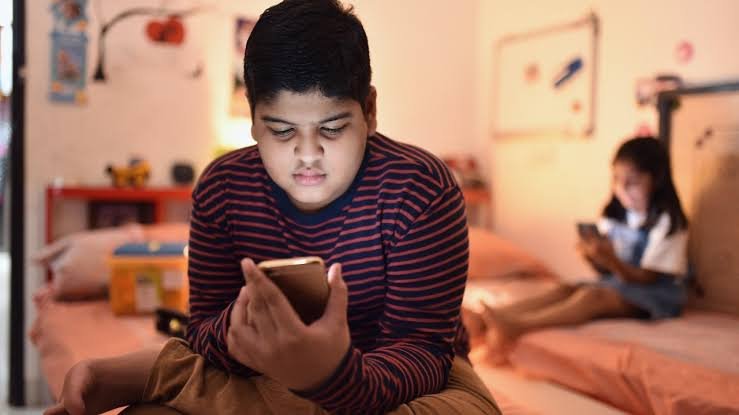
Scrolling through Instagram Reels for a few minutes can easily turn into a much longer session. Short videos are designed to keep users moving from one piece of content to another, making it easy to lose track of time.
While watching Reels occasionally is generally part of normal digital entertainment, spending several hours continuously on a phone can create problems. The concern is not one particular video, but the amount of time spent looking at a screen and the activities that may be replaced by it.
Eye discomfort is one of the common complaints associated with prolonged screen use. People may blink less frequently while concentrating on a phone, which can contribute to dry or irritated eyes. Some users may also experience tired eyes, watering or temporary difficulty focusing after extended viewing.
Taking regular breaks can help reduce this strain. A commonly recommended approach is the 20 20 20 rule, where a person looks at something around 20 feet away for about 20 seconds after every 20 minutes of close screen work.
Sleep can also be affected when Reels become part of a late night routine. Looking at a bright phone screen close to bedtime and continuing to watch stimulating content may make it harder for some people to settle down and fall asleep.
The problem can become more noticeable when someone keeps scrolling instead of following a regular bedtime schedule. Poor sleep can then contribute to tiredness, reduced alertness and difficulty concentrating during the following day.
Another concern is attention. Short form videos constantly change the subject, visual presentation and information being delivered. Spending a long time switching between very short pieces of content may make it harder for some people to stay engaged with slower or more demanding tasks.
This does not mean that watching short videos automatically causes memory loss or permanently reduces attention. However, excessive screen use can take time away from studying, reading, physical activity and other activities that require sustained attention.
Students may particularly notice the difference when entertainment begins to interfere with study schedules. Repeatedly checking the phone during homework can interrupt concentration and make it more difficult to complete a task efficiently.
Physical health is another area that should not be overlooked. Sitting in the same position for long periods while holding a phone can contribute to neck, shoulder and back discomfort. Looking downward for extended periods can place additional strain on the neck and upper back.
Long periods of sitting also mean less time for movement. If Reels replace walking, exercise, outdoor activities or other forms of physical activity on a regular basis, the overall effect can be unhealthy.
Managing screen habits does not necessarily require giving up social media completely. A more practical approach is to decide how much time can be spent on entertainment and avoid allowing short viewing sessions to continue without limits.
Keeping the phone away during meals, study periods and bedtime can make it easier to control unnecessary scrolling. Turning off nonessential notifications may also reduce the temptation to check the phone repeatedly.
It can also help to take short movement breaks during long periods of screen use. Standing up, walking around and changing posture can reduce the amount of time spent sitting continuously.
For people who experience persistent eye pain, headaches, significant sleep problems or ongoing neck and back discomfort, professional medical advice may be appropriate. Screen habits are only one possible factor behind these symptoms.
The main concern with Instagram Reels is therefore not the occasional use of short videos. It is the habit of spending long, uninterrupted periods scrolling while sacrificing sleep, movement, study, outdoor activity or face to face interaction.
Using social media in moderation, taking regular screen breaks and maintaining a healthy daily routine can help people enjoy digital entertainment without allowing it to dominate their day.