
Tai Chi Walking Can This Slow Fitness Trend Really Help
Tai chi walking is a slow, mindful exercise that focuses on controlled steps, balance and weight transfer, offering gentle movement while raising questions about whether it can support fitness goals.
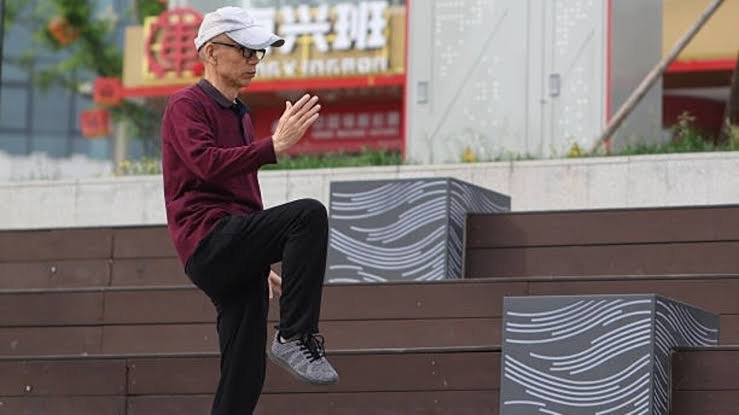
A new fitness trend is attracting attention for doing almost the opposite of what people usually expect from a workout. Instead of quick steps, long runs or intense movements, tai chi walking asks people to slow down and pay close attention to every step.
The practice has recently gained interest on social media, where short videos show people moving forward at an unusually slow pace. Although it may look simple, the technique requires concentration because the body has to remain stable while weight gradually moves from one leg to the other.
Tai chi walking comes from the principles of tai chi, a centuries old practice with roots in Chinese martial arts. Traditional tai chi combines controlled movements, breathing and focused attention. Tai chi walking takes some of those ideas and applies them specifically to the process of walking.
Harvard Health describes tai chi walking as a deliberate form of movement in which people spend more time on each foot while shifting their body weight. This creates a balance challenge and encourages greater awareness of how the feet and legs move.
The technique is not simply about walking slowly. The important part is how each step is performed. A person begins by shifting weight onto one leg and allowing the opposite foot to become light. That foot is then moved forward and placed carefully before the body weight is gradually transferred onto it.
The movement is repeated with the other leg. Throughout the exercise, the spine is kept upright, the shoulders remain relaxed and the steps are controlled rather than rushed.
This gradual transfer of weight is one reason tai chi walking can feel surprisingly demanding despite its gentle appearance. Harvard Health notes that the method engages the smaller muscles around the feet, ankles and lower legs, which have an important role in maintaining balance and a steady walking pattern.
Another feature is the amount of attention required. During ordinary walking, people often move automatically without thinking about where each foot lands. Tai chi walking encourages the person to notice the position of the foot, the shift in body weight and the feeling of remaining balanced.
That mindful approach may also make the activity feel calming. Tai chi as a broader exercise has been associated with improvements in balance, flexibility and strength, while its slow movements and focused breathing can also provide a relaxing element.
The bigger question for many people, however, is whether walking this slowly can actually help with weight loss.
The answer needs some perspective. Tai chi walking should not be viewed as a quick method for losing weight. Because the movement is gentle, it is unlikely to burn calories at the same rate as activities such as brisk walking, running or more vigorous exercise.
That does not make it useless for fitness. Regular movement can contribute to an active lifestyle, while the balance and muscle control involved in tai chi walking can provide benefits that are different from simply counting calories.
There is also some research on tai chi and body measurements, but that evidence should not be turned into a promise of rapid fat loss. Weight management generally depends on several factors, including overall eating habits, activity levels, sleep and individual health.
For people who are new to the technique, starting slowly is important. The Tai Chi for Health Institute describes five to ten minutes as a reasonable starting point for beginners, with longer sessions possible as a person becomes more comfortable.
A simple session can begin with standing comfortably and keeping the body relaxed. The person can then shift weight onto one leg, move the other foot forward without rushing and slowly transfer weight onto the front leg. The same pattern can then be repeated on the opposite side.
There is no need to focus on covering a particular distance. The quality of the movement matters more than how far someone travels.
People who have balance concerns can also make the exercise easier by practising near a stable wall or chair. The Tai Chi for Health Institute recommends gradually increasing practice time and staying within comfortable limits rather than forcing movements.
Safety is particularly important for anyone with an existing injury, significant balance problems or a medical condition that makes exercise difficult. In such situations, speaking with a healthcare professional before starting a new exercise routine can be sensible.
Tai chi walking also should not be treated as a replacement for every other form of physical activity. Strength exercises, regular walking and other age appropriate activities can provide different benefits. A varied routine may be more useful than relying entirely on one gentle movement.
What makes tai chi walking interesting is its accessibility. It does not require a gym, expensive equipment or a complicated setup. A clear and level space is generally enough to begin practising the basic movements.
Its popularity also reflects a wider change in fitness culture. Not every workout has to be intense to be useful. For some people, particularly those looking for controlled movement and balance practice, slowing down can be a meaningful part of staying active.
Tai chi walking may therefore be better understood as a gentle movement practice rather than a shortcut to weight loss. Its main appeal lies in controlled stepping, balance, body awareness and mindful movement.
For anyone curious about the trend, starting with a few minutes and concentrating on smooth weight transfer may be more useful than trying to imitate fast or complicated routines seen online. With consistency and appropriate guidance, tai chi walking can become one small part of a broader approach to staying active.