Ragi Java Recipe With Traditional Nutrition Benefits
Ragi java is a traditional drink made from finger millet, offering calcium, iron and fiber while fitting into balanced diets when prepared without excess added sugar or salt daily.
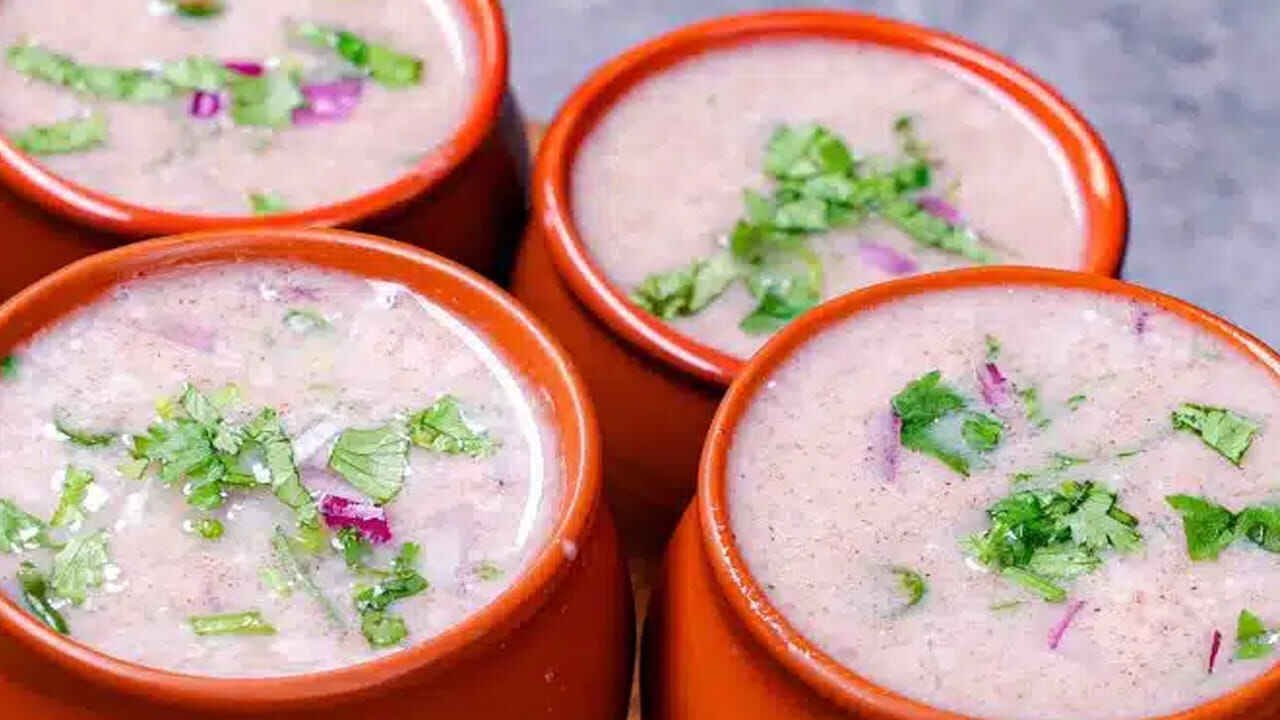
Ragi java has remained a familiar drink in many Indian households, especially in parts of South India where ragi has traditionally been included in everyday meals. The simple preparation is often served as a light breakfast or a filling drink during warm weather.
What makes ragi java interesting is its main ingredient, finger millet. Ragi contains several nutrients, including calcium, iron and dietary fiber. Its nutritional value can make it a useful addition to a varied diet, although it should not be considered a standalone treatment for diabetes, weight problems or other health conditions.
The drink can be prepared in different ways. Some people prefer a sweet version, while a savoury preparation made with curd, ginger, green chilli and cumin offers a completely different taste. The savoury version is particularly simple to prepare at home.
For a batch of around three to five glasses, about five to six teaspoons of ragi flour can be used. You will also need water, ginger, one or two green chillies, curd and salt. A small amount of cumin powder can be added at the end for extra flavour.
The first step is to prepare the ragi mixture. Place the flour in a bowl and add about half a cup of water. Mix it thoroughly until the flour dissolves without forming lumps. Keeping this mixture smooth is important because it will later be added to boiling water.
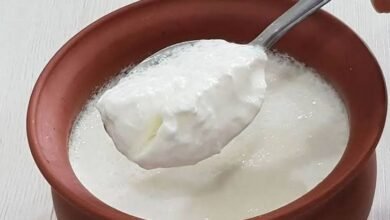
Next, prepare the curd mixture. Add chopped ginger and green chilli to a mixer along with curd and a little water. Blend everything until it becomes a smooth buttermilk style mixture. Keep it aside while the ragi base is being cooked.
Take a large vessel and bring the remaining water to a boil. Add salt according to taste. Once the water is boiling, slowly pour in the prepared ragi mixture while continuously stirring with a ladle.
The mixture should be cooked until it thickens. Stirring during this stage helps prevent lumps from forming at the bottom of the vessel. Once the ragi has cooked properly, turn off the heat and allow it to cool completely.
One important point is to avoid adding the curd mixture while the ragi preparation is still hot. Allowing the cooked mixture to cool first helps the curd blend properly without affecting its texture.
Once the ragi mixture has cooled, add the prepared ginger, green chilli and curd mixture. Stir everything together until it is evenly combined. A small amount of cumin powder can then be added before serving.
Ragi is particularly known for its calcium content. Calcium is an important mineral for maintaining normal bones and teeth, but bone health also depends on overall nutrition, physical activity and other factors. Simply drinking ragi java cannot by itself prevent bone weakness.
The fiber present in ragi can also contribute to a feeling of fullness. Including fiber rich foods as part of balanced meals may help people manage their overall food intake. However, weight management depends on total diet, activity and individual health factors rather than one particular drink.
Ragi can also contribute iron to the diet. Iron is needed for normal red blood cell production, but people with diagnosed anemia should not depend on ragi java alone. The underlying cause of iron deficiency should be assessed by a healthcare professional when necessary.
People who are monitoring blood sugar should also pay attention to how the drink is prepared. Plain ragi contains carbohydrates, and adding sugar can further increase the carbohydrate content. A savoury version without added sugar may be a practical choice, but people with diabetes should consider the overall portion and their complete meal plan.
The traditional preparation also gives the drink a refreshing character. Chilled ragi java combined with curd, ginger and cumin can be particularly appealing during warm weather.
The recipe itself does not require complicated equipment or special cooking skills. The main points are dissolving the flour properly, stirring while cooking and allowing the mixture to cool before adding the curd preparation.
For a stronger ginger flavour, the quantity can be adjusted according to personal preference. Green chilli can also be reduced or left out if the drink is being prepared for children or anyone who prefers a mild taste.
The consistency can be changed by adjusting the amount of water. More water produces a thinner drink, while reducing the liquid results in a thicker preparation. It is best to adjust the consistency according to personal preference rather than following one fixed texture.
Ragi java can be included as one part of a balanced diet. It can be served alongside other nutritious foods rather than being treated as a replacement for a complete meal every day.
The traditional recipe continues to appeal because it combines a familiar grain with a straightforward cooking method. With ragi flour, curd and a few everyday ingredients, a nutritious savoury drink can be prepared at home without much effort.