Beetroot Ice Cubes for a Fresh Looking Face
Beetroot ice cubes are gaining attention as a simple homemade skincare idea, combining chilled beetroot juice with aloe vera and rose water for a refreshing addition to routine.
A tired looking face after a long day can make people reach for simple home remedies, especially when there is little time for an elaborate skincare routine. Beetroot ice cubes have recently become popular in social media beauty discussions as one such option.
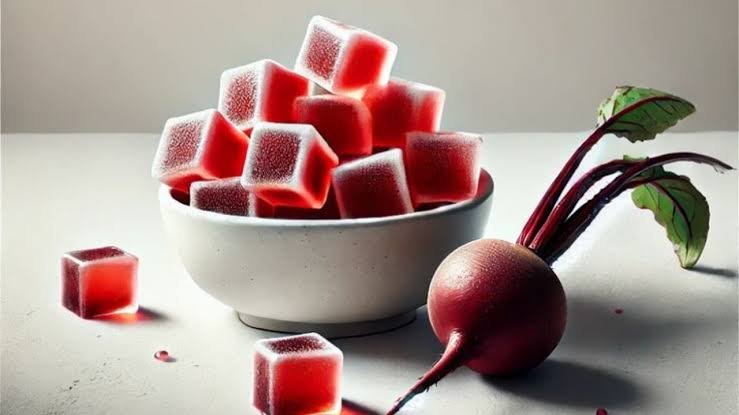
The idea is fairly simple. Beetroot juice is combined with ingredients such as aloe vera gel and rose water, frozen into small cubes and then used as a chilled application on the face. The cooling sensation can feel refreshing, particularly after exposure to heat or a tiring day.
Beetroot contains naturally occurring compounds including vitamin C and betalains, which have antioxidant properties. However, that does not mean applying beetroot directly to the skin will automatically produce dramatic or permanent changes. Most of the popular claims surrounding homemade beetroot skincare should be viewed as possible cosmetic benefits rather than guaranteed results.
For those who want to try the preparation, begin with one medium sized beetroot. Wash it thoroughly, remove the skin and cut it into small pieces. Place the pieces in a blender with a little water and blend until smooth.
Strain the mixture to separate the juice from the pulp. Add one teaspoon of aloe vera gel and one teaspoon of rose water to the beetroot juice. A few drops of vitamin E oil can also be added if the product is already known to suit the users skin.
Mix everything thoroughly and pour the preparation into a clean ice tray. Keep it in the freezer for around four to six hours until the mixture has completely frozen.
The way the ice cube is applied is more important than simply rubbing it over the skin. After washing the face with a mild cleanser, wrap the frozen cube in a thin, clean cotton cloth. Avoid placing frozen material directly against the skin for an extended period.
Gently move the wrapped cube across the face and neck for a short period, without pressing hard. Around one or two minutes is sufficient for a cooling application. Once finished, allow the skin to settle before applying a regular moisturiser.
During hot weather, the cooling sensation may make the face feel temporarily fresher. Cold applications can also temporarily reduce the appearance of mild puffiness by causing local blood vessels to constrict. The effect is generally temporary and should not be confused with a permanent change in skin structure.
Beetroot also contains antioxidant compounds, which is one reason it has attracted attention in skincare discussions. Antioxidants can help protect cells from oxidative stress, but there is limited evidence to conclude that a homemade beetroot ice cube can prevent wrinkles or reverse signs of ageing.
The same caution applies to claims about pores. Cold temperatures can make skin appear temporarily tighter, but ice does not permanently shrink pores. Once the skin returns to its normal temperature, that temporary effect generally fades.
Aloe vera is commonly used in skincare products because of its soothing properties, while rose water is often included for its refreshing feel and fragrance. Individual reactions can vary, so adding several ingredients together is not necessarily better for everyone.
People with sensitive skin should be particularly careful with homemade mixtures. A small amount can first be tested on an inconspicuous area of skin to check for irritation. If redness, burning, itching or discomfort develops, the mixture should not be used.
Direct contact with ice should also be avoided. Holding frozen material against the skin for too long can cause irritation and cold injury. Wrapping the cube in a clean cloth provides a safer way to get the cooling sensation.
Hygiene matters as well. The beetroot mixture should be prepared with clean utensils and stored in a clean freezer tray. Homemade preparations do not contain the preservatives used in many commercial skincare products, so they should not be stored indefinitely.
For someone looking for a quick refresh before getting ready for the day, the cooling effect may make the routine feel pleasant. However, it should remain an optional skincare step rather than a replacement for proven basics such as gentle cleansing, moisturising and sunscreen.
There is also no need to use the cubes excessively. More frequent application does not necessarily mean better results. If the skin feels irritated or unusually dry, it is better to stop using the preparation.
The appeal of beetroot ice cubes lies mainly in their simplicity. Beetroot juice, aloe vera and rose water are easy to combine, while the chilled application can provide a temporary cooling and refreshing sensation.
The important point is to keep expectations realistic. Beetroot contains useful plant compounds, but a homemade ice cube cannot guarantee brighter skin, wrinkle prevention or long term changes in appearance. Skin can respond differently depending on individual sensitivity and existing skincare habits.
Used carefully, the preparation can be treated as a simple occasional addition to a normal skincare routine. Gentle application, clean preparation and attention to skin reactions are more important than trying to achieve an instant transformation.