Spinach Offers Vitamins Antioxidants and Heart Healthy Nutrients
Spinach is a nutrient rich leafy green that provides vitamins, minerals, antioxidants and nitrates, making it a useful addition to meals that support heart, brain and overall health daily.
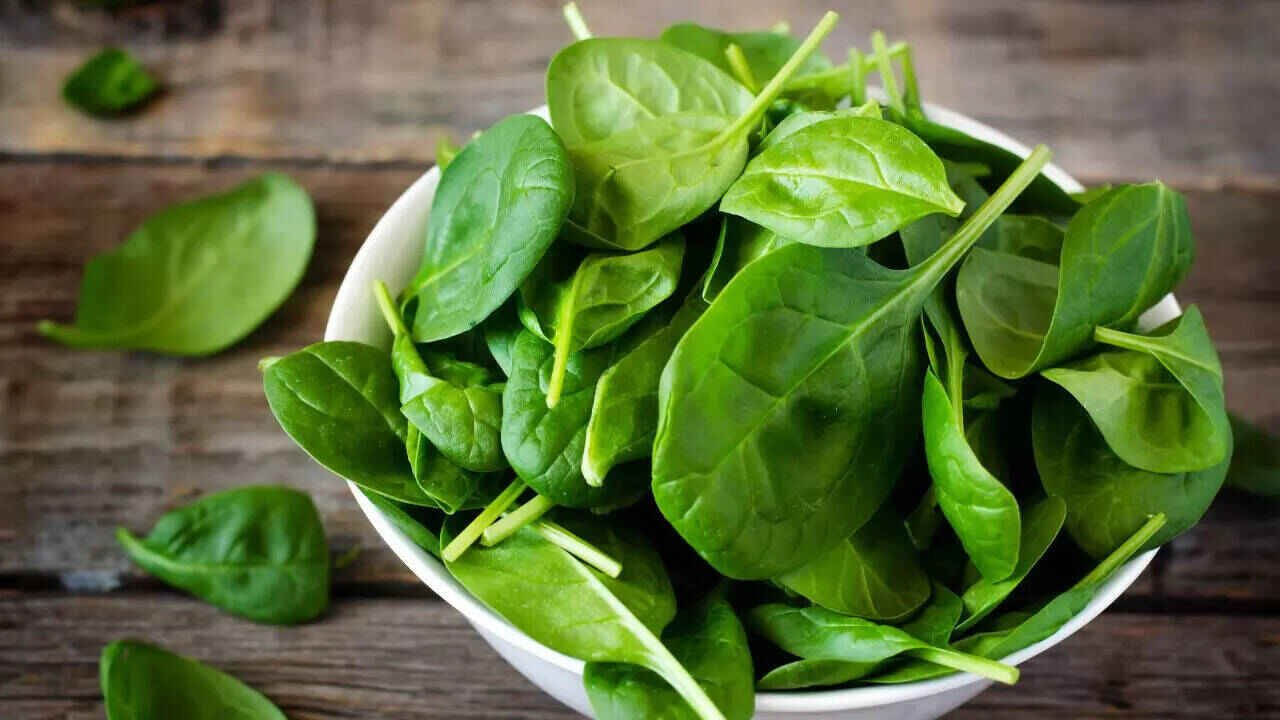
Spinach may look like an ordinary leafy vegetable, but it packs a surprising amount of nutrition into a relatively simple food. It is widely used in Indian cooking and can be added to curries, dals, soups, stir fries and other everyday dishes.
What makes spinach interesting from a nutrition perspective is its combination of vitamins, minerals, plant compounds and antioxidants. It provides nutrients such as vitamin A, vitamin C, vitamin K, folate, iron, magnesium and potassium. The exact nutritional value can vary depending on the variety and how the vegetable is prepared.
One area that has attracted attention is heart health. Spinach contains naturally occurring nitrates, which the body can convert into nitric oxide. Nitric oxide plays a role in widening blood vessels and supporting healthy blood flow.
Research has examined whether nitrate rich vegetables can influence blood pressure and blood vessel function. Some studies have reported improvements in these measures after people consumed nitrate rich vegetables, although eating spinach should not be considered a replacement for prescribed treatment for high blood pressure.
The vegetable also contains potassium and magnesium, minerals that contribute to normal muscle and nerve function. Potassium is particularly important for maintaining normal blood pressure as part of an overall healthy diet.
Spinach is equally interesting when it comes to its antioxidant content. It contains carotenoids and other plant compounds that help protect cells from oxidative stress. Lutein and zeaxanthin, two carotenoids found in leafy green vegetables, are also associated with eye health.
The connection between leafy greens and brain health has received attention in nutritional research. Studies involving older adults have found associations between regular consumption of leafy green vegetables and slower rates of cognitive decline. However, these findings do not mean that spinach alone can prevent memory problems or neurological diseases.
A healthy brain depends on the overall diet and lifestyle. Vegetables such as spinach can contribute useful nutrients while being combined with fruits, whole grains, pulses, nuts and other nutritious foods.
Iron is another nutrient that often brings people to spinach. The vegetable does contain iron, but it is important to understand that spinach is not a guaranteed cure for anaemia. The iron in plant foods is non haem iron, which the body generally absorbs less efficiently than the haem iron found in animal foods.
Spinach also contains vitamin C, which can help improve the absorption of non haem iron when vitamin C rich foods are eaten with the meal. Adding ingredients such as tomatoes, lemon or other vitamin C rich foods to a spinach based dish can therefore be a useful combination.
Anyone diagnosed with anaemia should not rely only on spinach. Anaemia can have several causes, including iron deficiency, vitamin deficiencies and certain medical conditions. Proper evaluation is important before deciding on treatment.
Another advantage of spinach is that it can add volume and nutrients to meals without contributing a large amount of energy. This makes it useful for people trying to build balanced meals. However, no single vegetable can guarantee weight loss. Body weight is influenced by the overall diet, activity, sleep and many other factors.
The vegetable also provides fibre, which supports normal digestion. Including fibre rich foods such as leafy vegetables, fruits, whole grains and pulses can help people maintain a varied diet and support digestive health.
Spinach can be prepared in several ways, but cooking methods matter. A dish cooked with large quantities of oil, cream or salt may have a very different nutritional profile from lightly cooked spinach. For everyday meals, using moderate amounts of oil and salt can help retain the vegetable’s place in a balanced diet.
There is also a practical benefit. Spinach is relatively easy to include in regular meals and can be combined with ingredients that are already common in Indian kitchens. It can be cooked with lentils, added to chapati dough, mixed into vegetable preparations or used in soups and gravies.
People taking certain medicines or those with particular kidney conditions may need to discuss their intake of high vitamin K foods or potassium rich foods with a healthcare professional. This is especially relevant when a doctor has already provided specific dietary instructions.
For most people, however, spinach can be one of several vegetables included in a varied eating pattern. Rotating different leafy greens and vegetables is useful because each food provides a different combination of nutrients.
The biggest benefit of spinach is therefore not one dramatic health effect. Its value comes from the collection of nutrients and plant compounds it contributes to everyday meals. Regularly eating a variety of vegetables, along with adequate protein, whole grains and fruits, is a more useful approach than relying on one so called superfood.
From heart and blood vessel support to eye health, fibre intake and the supply of important vitamins and minerals, spinach has plenty to offer. Adding it to regular meals can be a simple way to make the diet more nutrient rich without making food preparation complicated.