Nepal Floods: Glacier Lake Burst Caused Nepal Floods, US Geological Survey Says
The United States Geological Survey has clarified that Nepal’s devastating flash floods were triggered by a glacier lake outburst and landslides, rather than an earthquake.
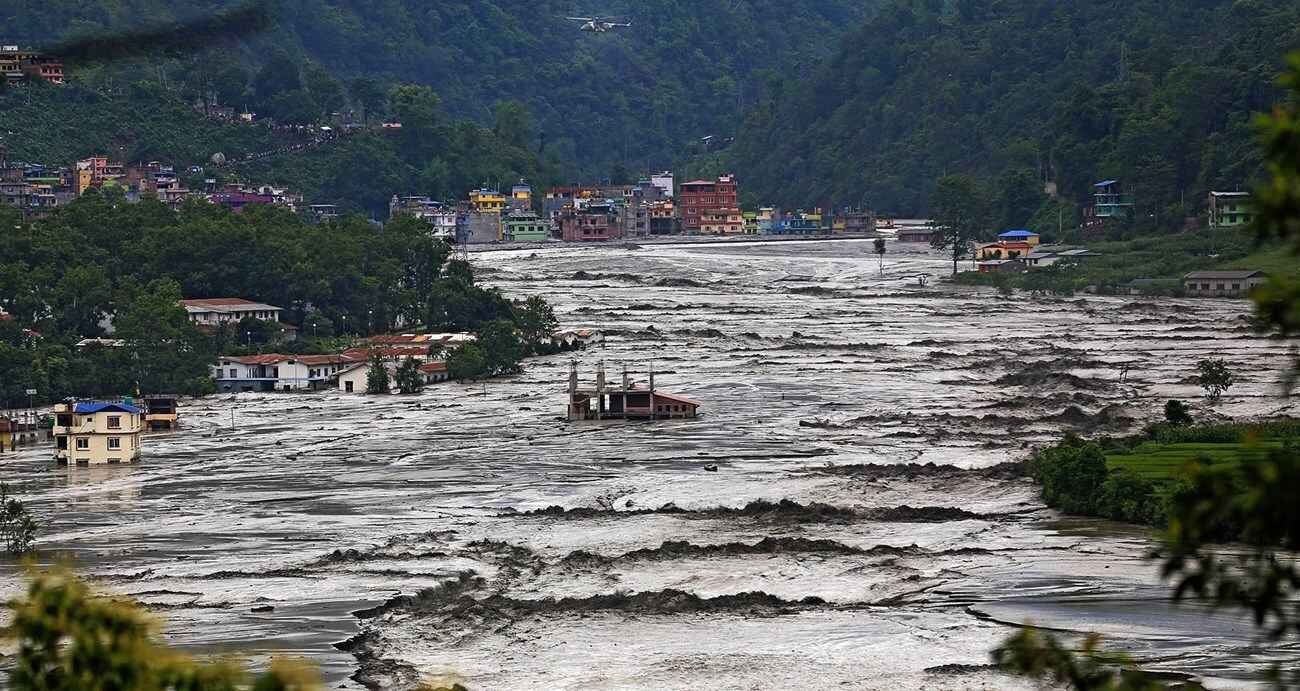
Nepal Floods: The devastating floods that swept through parts of Nepal were not directly caused by an earthquake, according to the latest assessment by the United States Geological Survey. Researchers said a glacier lake outburst, followed by massive landslides, triggered the sudden surge of water.
Initial reports had suggested that a magnitude 4.4 earthquake near the Gosainkund region in Tibet was responsible for the disaster. The US Geological Survey later revised that assessment after studying the seismic waves recorded during the incident.
According to the updated analysis, large amounts of ice and rock broke away from the mountain slopes after a glacier lake burst. The debris and water rushed into the Linde River before entering the Bhote Koshi River, causing a sudden and destructive flood.
Satellite observations also indicated major movement of ice and rocks in the mountainous region. The findings provide a different explanation for the intense flooding that struck several areas of Nepal.
Germany’s Research Centre for Geosciences also examined the event. Its analysis found seismic activity measuring around 4.4 magnitude approximately seven minutes before the devastating flood hit.
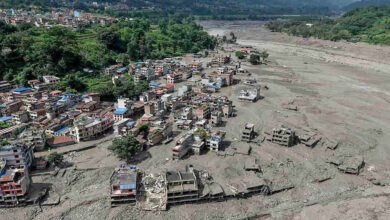
The disaster has caused heavy loss of life and widespread destruction. At least 157 people have reportedly died, while hundreds remain missing. A large number of those unaccounted for are believed to be foreign nationals, including more than 140 people from India.
The flooding has also affected areas on the Tibet side of the region. Reports indicate that three people have died there, while more than 553 people are reported missing.
Rescue and search operations are continuing across the affected mountain regions as authorities work to determine the full scale of the disaster.