
Why Indian Homes Are Placing Yellow Sponges in Fridges During Summer and the Surprising Benefits Behind It
A simple household trick of keeping a dry sponge inside the refrigerator vegetable drawer is helping families reduce food waste, control moisture, and keep fruits and vegetables fresh for longer in everyday storage
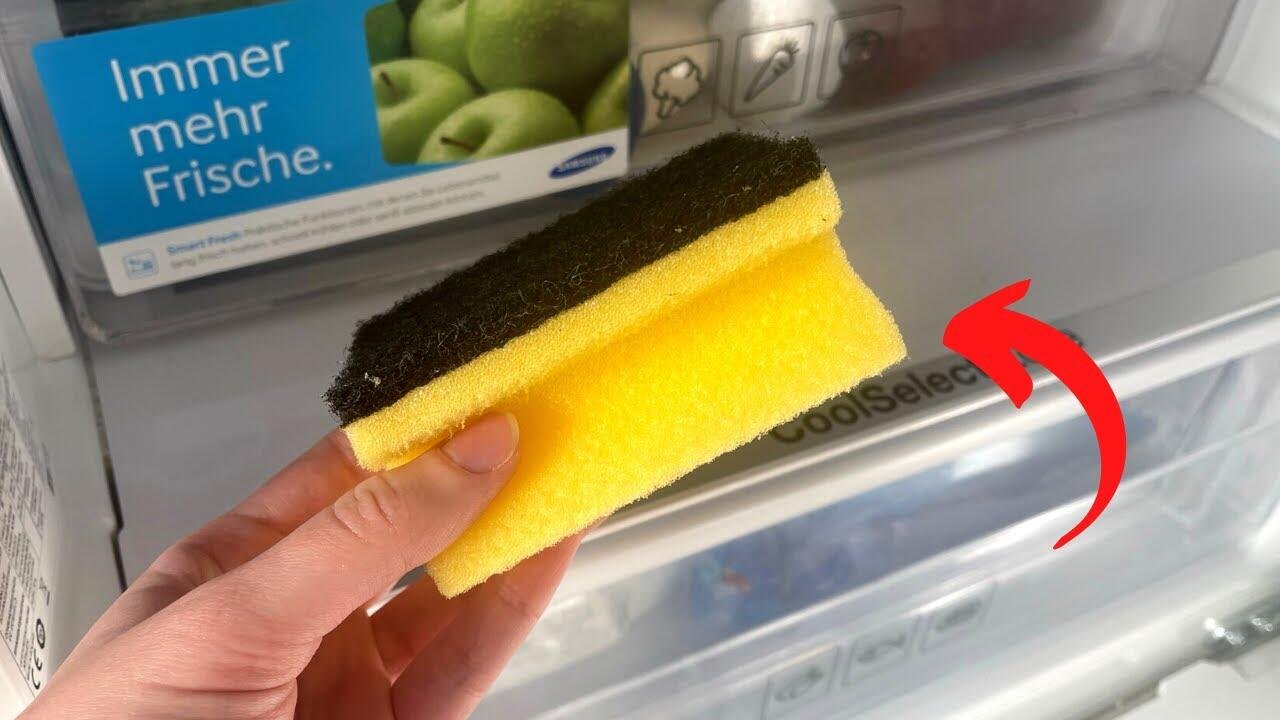
A small yellow sponge placed inside a refrigerator might look unusual at first, but this simple idea has quietly become a popular kitchen habit in many Indian households during the summer season. What seems like a random object inside the fridge is actually being used with a very practical purpose that is catching attention for all the right reasons.
The basic idea behind this practice is surprisingly simple. Refrigerators naturally collect moisture inside the vegetable compartment due to cooling and storage of fresh produce. While a certain level of humidity is necessary, excess moisture often speeds up spoilage. A dry sponge placed in the vegetable drawer acts like a natural absorber, pulling in extra moisture and helping maintain a more balanced environment for fruits and vegetables.
Many people do not realize that moisture is one of the main reasons behind early food spoilage. When humidity increases inside the fridge, it creates a favorable environment for bacteria and fungus to grow faster. Leafy greens start becoming slimy, berries lose their firmness, and vegetables like cucumbers and carrots lose their crunch. Often, people blame temperature alone, but uncontrolled moisture plays an equally important role in food deterioration.
This is where the sponge quietly makes a difference. Known for its absorbent nature, a dry sponge pulls in excess humidity from the surrounding air inside the fridge. As a result, the vegetable drawer remains relatively dry and stable. Items such as spinach, lettuce, bell peppers, strawberries, and cucumbers tend to stay fresh for a longer time, reducing frequent trips to the market and helping cut down on food waste.
Placement also matters when using this trick. The sponge should be kept in the corners or sides of the vegetable compartment rather than directly on top of food items. This allows it to absorb moisture from the air efficiently without coming in direct contact with vegetables. In cases where the fridge tends to get very humid, using two sponges can provide better results, with one being used while the other is dried and rotated.
Cleanliness is another important part of this method. Since the sponge continuously absorbs moisture, it can become a breeding spot for bacteria if not maintained properly. Washing it every few days and allowing it to dry completely before reuse helps keep it safe. If any unpleasant smell develops, replacing it is a better option. Many households prefer changing it every couple of weeks for hygiene reasons.
Apart from keeping vegetables fresh, this small hack also helps in reducing unwanted odors inside the refrigerator. Excess moisture often traps smells from spoiled food, making the fridge less fresh over time. By controlling humidity, the sponge indirectly helps in maintaining a cleaner and fresher-smelling storage space.
What makes this idea even more appealing is its simplicity. There are no chemicals involved, no special equipment required, and no extra cost burden. In a time when people are actively looking for sustainable and low-cost solutions in daily life, such practical hacks naturally gain attention. Along with reducing food waste, it also supports better food storage habits in a very effortless way.
While it is not a magical solution, it does offer noticeable improvement when combined with basic fridge hygiene practices such as not overloading compartments and maintaining proper temperature settings. For many households, this simple addition has quietly become part of their everyday routine, especially during hot summer months when food spoils faster than usual.