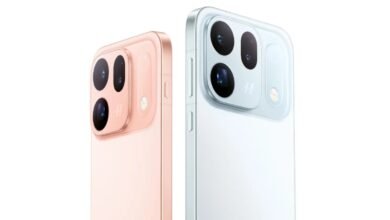
POCO X8 Power 5G Vs Realme P4 Power 5G Which Phone Offers More
POCO X8 Power 5G and Realme P4 Power 5G target battery focused buyers with around 10000mAh capacity, but differ in display, processor, cameras, charging, software and overall design.
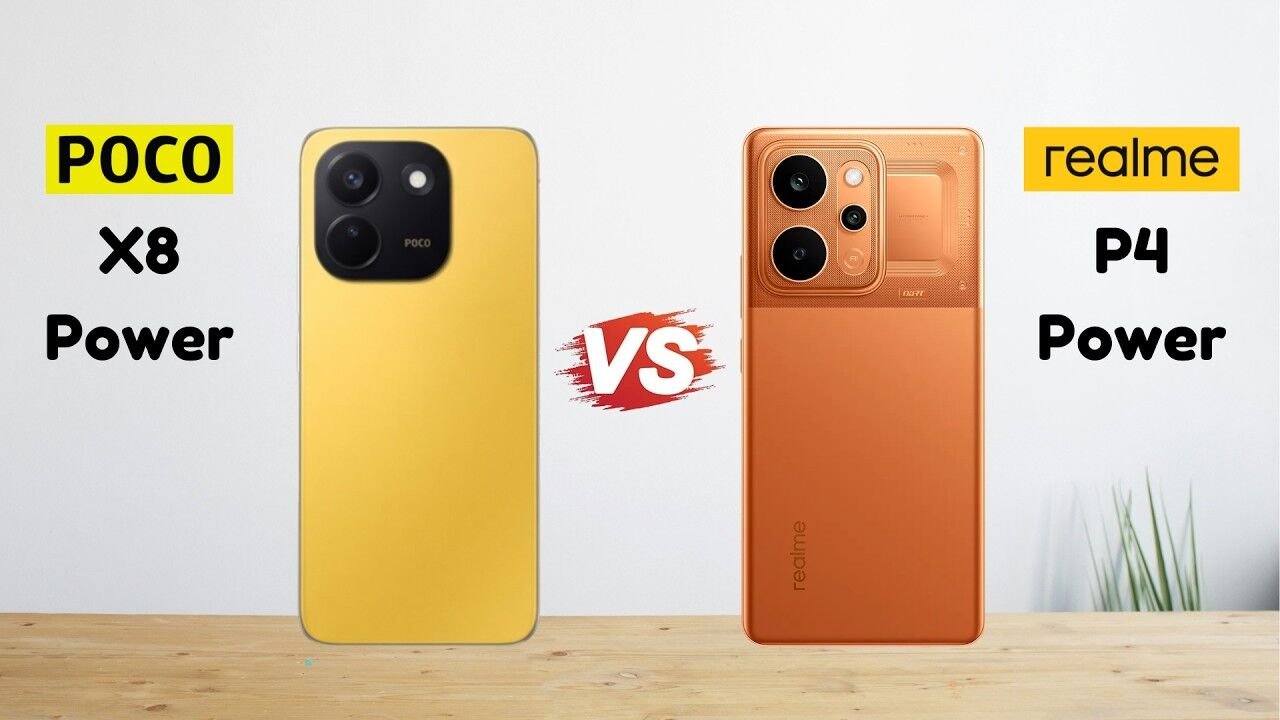
Large battery smartphones are becoming increasingly popular among users who want to spend more time away from the charger. Two phones that stand out in this category are the POCO X8 Power 5G and Realme P4 Power 5G.
Both devices are built around unusually large batteries, but their specifications are not identical. POCO has focused on a 10000mAh battery, faster charging and longer software support, while Realme brings a slightly larger battery, a faster refresh rate display and a lighter body.
Starting with the price, the Realme P4 Power 5G has an advantage in the current lineup. Its 8GB RAM and 128GB storage version is priced at Rs 32999. The 8GB RAM and 256GB version costs Rs 34999, while the 12GB RAM and 256GB model is priced at Rs 37999.
The POCO X8 Power 5G starts at Rs 35999 for the 8GB RAM and 128GB storage variant. The 8GB RAM and 256GB version is priced at Rs 38999. Launch offers including coupons and bank benefits can reduce the effective price, depending on the applicable terms.
The display comparison is interesting because both phones use high resolution AMOLED panels. The POCO X8 Power 5G has a 6.83 inch 1.5K AMOLED screen with a resolution of 2772 by 1280 pixels. It supports a 120Hz refresh rate, up to 240Hz touch sampling and higher instant touch sampling for responsive use.
The POCO display can reach a reported peak brightness of 3500 nits and supports Dolby Vision and HDR10 Plus. Corning Gorilla Glass Victus 2 is provided for protection.
Realme takes the refresh rate lead with its 6.8 inch 1.5K AMOLED HyperGlow 4D Curve Plus display. The panel supports up to 144Hz refresh rate and 240Hz touch sampling. The company also claims APL brightness of up to 6500 nits. The screen supports 10 bit colour and can display more than one billion colours. Gorilla Glass 7i is used for protection.
For performance, the POCO X8 Power 5G uses the Snapdragon 6 Gen 5 processor. The chipset is based on a four nanometre manufacturing process and has an octa core design. The phone uses LPDDR5X RAM, while storage technology varies according to the configuration.
The Realme P4 Power 5G comes with the MediaTek Dimensity 7400 Ultra 5G processor and also includes a HyperVision Plus AI chip. It uses LPDDR4X RAM and UFS 3.1 storage.
Both smartphones arrive with Android 16. POCO uses HyperOS 3 and promises four years of operating system updates along with six years of security updates. Realme uses realme UI 7 and has promised three major Android updates with four years of security patches.
The camera specifications are fairly close, although the front camera gives POCO an advantage on paper. The X8 Power 5G features a 50MP primary rear camera with an f 1.5 aperture and optical image stabilisation. It is paired with an 8MP ultrawide camera.
The POCO phone can record rear video in 4K at 30 frames per second. Its 32MP front camera also supports 4K video recording.
Realme uses a 50MP Sony IMX882 main camera with optical image stabilisation, along with an 8MP ultrawide camera. Rear video recording also goes up to 4K at 30 frames per second. For selfies and video calls, the Realme phone has a 16MP front camera with recording support up to 1080p.
Battery life is where both phones make their biggest statement. The POCO X8 Power 5G comes with a 10000mAh silicon carbon battery. It supports 100W HyperCharge and 27W wired reverse charging, allowing the phone to supply power to another compatible device.
The Realme P4 Power 5G has a 10001mAh battery. The difference is only 1mAh, so battery capacity alone does not create a meaningful advantage for either phone. Realme supports 80W Ultra Charge and also provides 27W wired reverse charging.
Realme has added All Scenario Bypass Charging, which is designed to work during activities such as gaming, video playback, live streaming and navigation. This can be useful for people who regularly use their phone while it is connected to a charger.
Connectivity is another area where the two devices take slightly different approaches. The POCO model supports 5G, 4G VoLTE, Wi Fi 5, Bluetooth 6.0, GPS, NFC and an IR blaster. It also has a USB Type C port and an in display fingerprint sensor.
The Realme phone supports 5G, Wi Fi 5, Bluetooth 5.4, GPS and USB Type C. It also includes an IR remote feature and an in display fingerprint sensor. NFC support is not available on this model.
Despite carrying batteries close to 10000mAh, neither phone is extremely heavy for its category. The POCO X8 Power 5G measures 163.44 by 78.27 by 8.65 mm and weighs around 229 grams. It also carries IP66, IP68, IP69 and IP69K protection ratings.
The Realme P4 Power 5G measures 162.26 by 76.15 by 9.08 mm and weighs around 219 grams. That makes it approximately 10 grams lighter than the POCO model, although the Realme phone is slightly thicker. It comes with IP66, IP68 and IP69 protection.
So which phone makes more sense depends largely on what the buyer values. The POCO X8 Power 5G offers faster 100W charging, LPDDR5X RAM, a higher resolution front camera, NFC, newer Bluetooth support and a longer promised software support period.
The Realme P4 Power 5G, meanwhile, has a lower starting price, a 144Hz display, a slightly larger battery and a lighter body. Its bypass charging feature could also appeal to people who frequently use their phone while charging.
On paper, the battery difference between the two phones is almost meaningless. The more important differences are the charging speed, display refresh rate, processor platform, camera setup, connectivity and software support.
For buyers who want maximum charging speed and longer software support, the POCO X8 Power 5G looks stronger. Those looking for a lower starting price, a 144Hz display and a lighter device may find the Realme P4 Power 5G more appealing.