
Century’s Longest Total Solar Eclipse to Darken Skies for Over Six Minutes
NASA says the rare total solar eclipse in August 2027 will offer one of the clearest and longest celestial spectacles visible across parts of Europe, Africa and the Middle East.
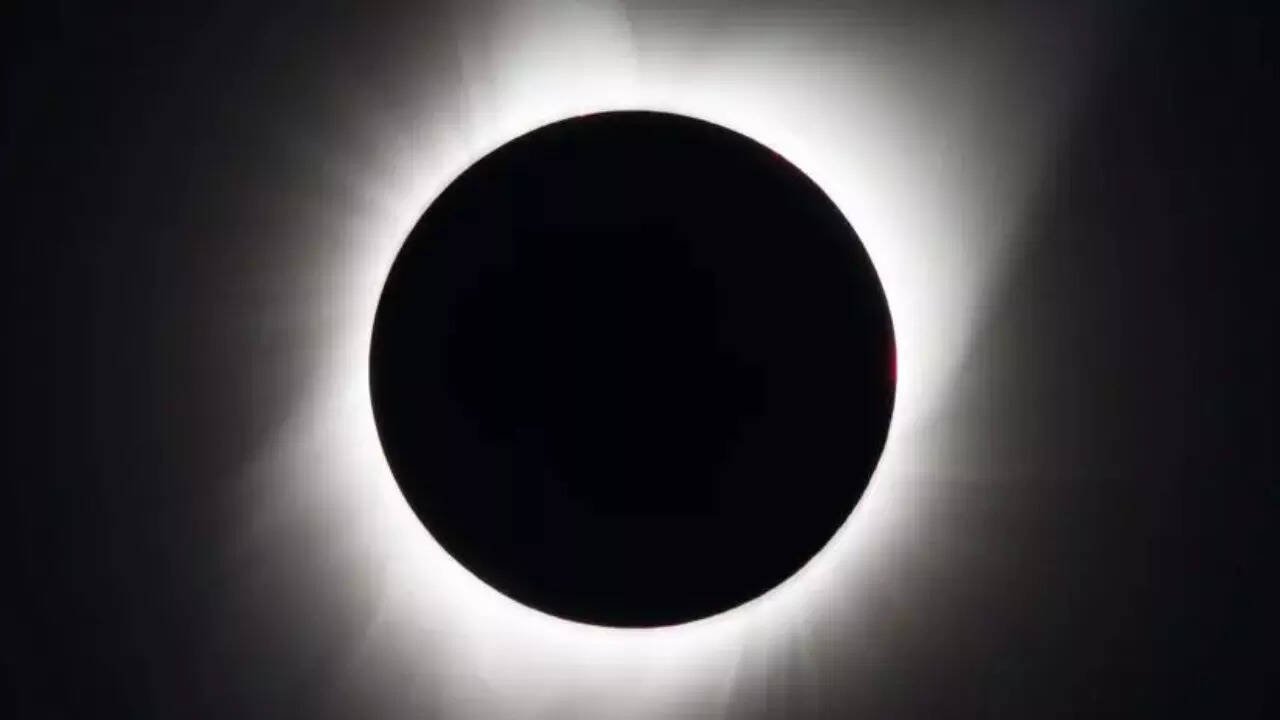
Skywatchers and astronomy enthusiasts around the world are eagerly waiting for a rare celestial event that promises to become one of the most remarkable astronomical moments of this century. According to NASA, a total solar eclipse on August 2, 2027 will last longer than any other eclipse visible during the 21st century, with the Sun expected to disappear completely for more than six minutes in certain regions.
The rare event is expected to create dramatic daytime darkness as the Moon moves directly between the Earth and the Sun. During the peak of the eclipse, the Sun will remain fully covered for nearly 6 minutes and 23 seconds, offering viewers an extraordinary opportunity to witness one of nature’s most breathtaking spectacles.
Astronomers say the upcoming eclipse is attracting major global attention because such long lasting total eclipses are extremely uncommon. Reports suggest that the last eclipse of similar duration occurred in 1991, while the next comparable event may not happen again until the year 2114. This has made the 2027 eclipse a highly anticipated phenomenon for both scientists and travelers.
Although another total solar eclipse is expected to occur on August 12, 2026, experts believe the 2027 event will be far more special because of its unusually long duration and clearer viewing conditions. Astronomy groups across the world are already preparing observation plans and travel arrangements for the event.
According to scientific estimates, the eclipse path will begin from southern parts of Spain before moving across northern Africa and extending toward the Middle East. Countries such as Tunisia and Egypt are expected to offer some of the best and clearest views of the eclipse. Among all viewing locations, the Egyptian city of Luxor is emerging as one of the most discussed destinations for eclipse observers.
Scientists predict that viewers in Luxor may witness the total eclipse phase for nearly 6 minutes and 19 seconds. The region’s typically dry weather and clear skies during that period are also expected to improve visibility for tourists, photographers and astronomy enthusiasts visiting from around the world.
Experts explain that the extraordinary length of this eclipse is linked to the Moon’s position during the event. A solar eclipse occurs when the Moon passes between the Earth and the Sun, blocking sunlight temporarily. On August 2, 2027, the Moon is expected to be relatively close to Earth, making it appear larger in the sky. Because of this larger apparent size, it will be able to cover the Sun for a longer duration.
Another important factor is the position of the Sun in the sky during the eclipse path. Researchers say the eclipse will pass through regions where the Sun will appear relatively high overhead, adding a few extra seconds to the totality period and making the event even more spectacular.
NASA has also highlighted that observers may get a rare and detailed view of the Sun’s corona during the eclipse. The corona is the outer atmosphere of the Sun and is usually hidden by intense sunlight. During total eclipses, however, it becomes visible as a glowing halo around the darkened Moon, creating one of the most stunning sights in astronomy.
Travel companies and astronomy organizations are already expecting a surge in eclipse tourism as people begin planning years in advance for the rare event. Many experts believe the 2027 eclipse could become one of the most photographed and widely observed astronomical events of the century.
For millions of people, the eclipse will not only be a scientific event but also an unforgettable visual experience that transforms daylight into temporary darkness. As excitement builds worldwide, August 2027 is already shaping up to be a historic moment for astronomy lovers everywhere.