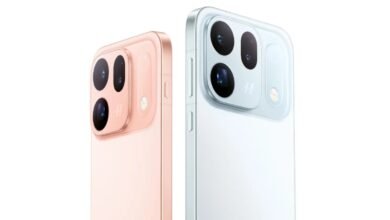
Apple Foldable iPhone May Skip Face ID And Telephoto Camera
Apple’s first foldable iPhone is expected to bring a slimmer design, larger inner screen and possible compromises, including Face ID, telephoto camera and physical SIM support in some markets too.

Apple is reportedly preparing its first foldable iPhone, and the company could make several significant changes to achieve a thinner design. While the device is expected to sit at the premium end of the iPhone range, some features available on the Pro models may not make it to the foldable.
The company has not officially confirmed the name or specifications of the device. Reports have referred to it as the iPhone Fold or iPhone Ultra, but the final branding is still unknown.
One of the biggest expected changes concerns biometric security. Unlike recent high end iPhone models that rely on Face ID, the foldable could reportedly return to Touch ID.
The reason is linked to the phones extremely thin profile. When fully opened, the device is expected to measure around 4.5 mm thick. Such a slim body could leave limited room for the TrueDepth components required for Face ID.
Apple may therefore consider placing a fingerprint sensor inside the side mounted power button. The approach would be similar to Touch ID systems already used on some iPad models. If the report proves accurate, this would represent a notable change for Apples premium smartphone lineup.
The camera system could also be less versatile than that of the iPhone 18 Pro models. Leaked information and reported dummy units suggest the foldable may use two rear cameras instead of a three camera Pro setup.
The expected arrangement includes a 48 megapixel main camera and a 48 megapixel ultrawide camera. A dedicated telephoto lens is reportedly absent.
The decision could again be connected to the thin construction. A telephoto camera generally requires additional internal space, and Apple may have chosen a slimmer body over a more extensive camera system.
That does not necessarily mean the foldable will offer a weak camera experience. The main and ultrawide sensors could still handle everyday photography, video recording and other common uses. However, users who rely heavily on optical zoom may find the Pro models more flexible.
The display setup is expected to be one of the main attractions of the new device. Reports suggest Apple could use a 5.5 inch outer display for regular smartphone tasks and a much larger 7.8 inch screen inside.
The external screen would allow users to handle calls, messages and other everyday functions without opening the phone. Once unfolded, the larger panel could provide more space for applications, videos and multitasking.
The shape of the inner display could also be different from some existing foldable phones. Leaked dummy units reportedly indicate a wider and more compact unfolded design rather than the tall proportions seen on certain competing devices.
Apple is also said to be working on reducing the visible crease where the display folds. The company could use a liquid metal hinge design aimed at improving durability while keeping the fold line less noticeable.
Connectivity may bring another important difference. The foldable iPhone is reportedly expected to follow Apples move toward eSIM only connectivity, meaning a physical SIM card slot could be left out.
The change could simplify the internal layout and provide Apple with additional space for other components. However, the availability of eSIM features can vary between markets and network operators.
There may also be differences in 5G support depending on the modem used. Reports have suggested that Apple could use its own C2 modem in the foldable. If that happens, mmWave 5G support could be limited or unavailable because the reported modem is not expected to support that technology.
This could create a distinction between the foldable and the iPhone 18 Pro models, particularly in the United States. The Pro versions are reportedly expected to continue using Qualcomm hardware in markets where mmWave connectivity remains important.
Price is another area where the foldable iPhone is expected to stand apart from regular iPhone models. Bloomberg journalist Mark Gurman has reportedly suggested a starting price above 2000 dollars.
Such pricing would place the device firmly in the premium foldable category and make it considerably more expensive than conventional flagship smartphones.
Apple appears to be making several compromises to combine a large folding screen with a relatively thin body. Removing Face ID, leaving out a telephoto camera and relying on eSIM could help the company manage the internal space required by the foldable design.
At the same time, the larger inner display, compact outer screen and focus on a reduced crease could make the device distinctly different from Apples existing iPhone lineup.
For now, these details remain based on reports and leaks rather than an official specification sheet. Apple has not confirmed the final name, design, camera configuration, biometric system, modem or pricing.
If the reported specifications are accurate, the first foldable iPhone could mark one of the biggest design changes in the products history. The company will have to balance its premium pricing with the compromises required to make the device thinner and more practical for everyday use.